
Island businesses and residents walked together and started a conversation that the hospitality industry needs to have.
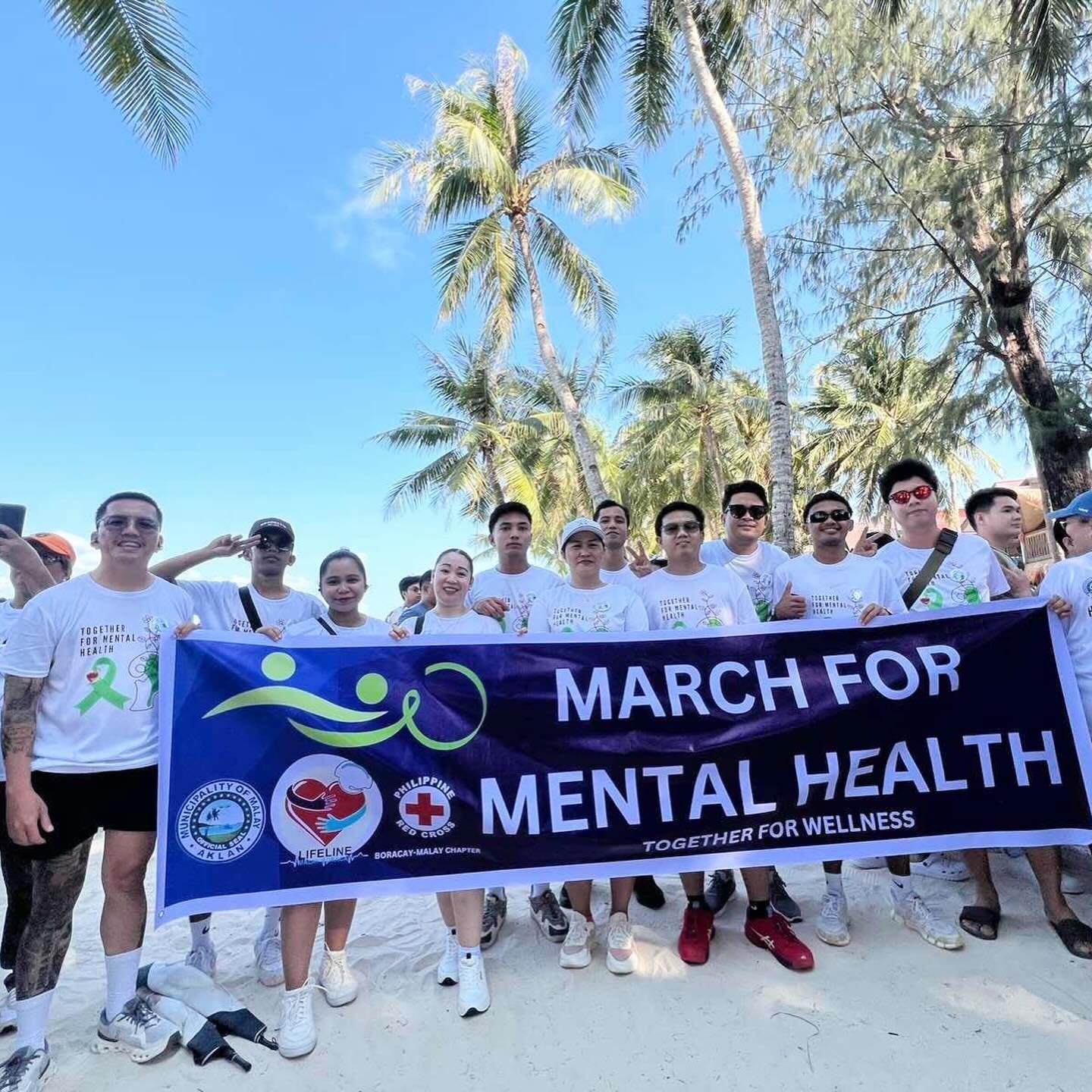
On a hushed Saturday morning in late March, something a little different moved along the shoreline of Boracay’s White Beach. In a show of solidarity for mental health, people walked together from Kasbar to Epic.
The march, organized by Malay-Boracay Lifeline White Beach, drew local businesses, residents, and everyday advocates who believe that one of the island’s most pressing conversations isn’t about tourism numbers or peak season bookings, but the well-being of the people who keep Boracay running.
Behind the Scenes of Island Life
Boracay is easy to love as a visitor. The sunsets are reliable, the seafood is fresh, and the energy of White Beach has a way of making every evening feel like a celebration. But behind that effortless experience is a workforce — kitchen crews, floor staff, hospitality workers — who carry long hours and high pressure as a quiet part of the job.
A growing number of island businesses are beginning to reckon with that reality openly. Respectful scheduling, supportive leadership, and access to mental health resources are slowly entering the conversation in an industry not historically known for prioritising them.
The march was a visible, public expression of that shift — a reminder that stigma doesn’t dissolve on its own, and that communities have to walk it down themselves.
Ikigai by the Sea
There’s a Japanese concept worth borrowing here. Ikigai is the idea that a fulfilling life sits at the intersection of what you love, what you’re good at, what the world needs, and what sustains you. It’s a framework for purpose that has quietly influenced how some of Boracay’s Japanese-influenced establishments approach their work.
Dining establishments like Gyukatsu Boracay, known for its premium Wagyu offerings and a growing following among locals and tourists, reflect this balance—where attention to craft is matched by a conscious effort to support the people behind the kitchen and service.
In this light, good food is never just technique. It comes from teams that feel supported, working in environments grounded in empathy and psychological safety—where precision and attentiveness are a natural extension of well-being.
“Boracay is more than a destination; it’s a community,” said Gyukatsu Boracay General Manager Claudie Gica. “By aligning with Malay-Boracay Lifeline White Beach and supporting the LGU’s health agenda, the restaurant affirmed that hospitality and care extend beyond its dining room.”
A Community that shows Up
What made the March 29 walk meaningful wasn’t any single participant. It was the sight of neighbours, business owners, and advocates choosing to show up together on a Saturday morning for something that doesn’t directly drive revenue or Instagram reach.
Boracay has always had a particular community spirit, one that emerges when people live and work together on a small island and realise, eventually, that everyone’s well-being is interconnected.
The hope now is that the conversations sparked along that stretch of White Beach — from Kasbar to Epic and back — continue long after the march has ended: in break rooms and briefings, over staff meals, and yes, perhaps over a good meal shared between people who are learning to take care of each other a little better.
Because on an island famous for its hospitality, the most meaningful thing being served right now might just be that.
Gyukatsu まつ村 Boracay is located in Laketown, Balabag. Open daily for lunch and dinner.