
Socioeconomic reintegration protocols and community infrastructure funding are operating as primary mechanisms to prevent armed resurgence across historically isolated provinces.
Close to 28,000 former rebels and their dependents have returned to society under the Marcos administration, the National Task Force to End Local Communist Armed Conflict (NTF-ELCAC) reported on Wednesday.
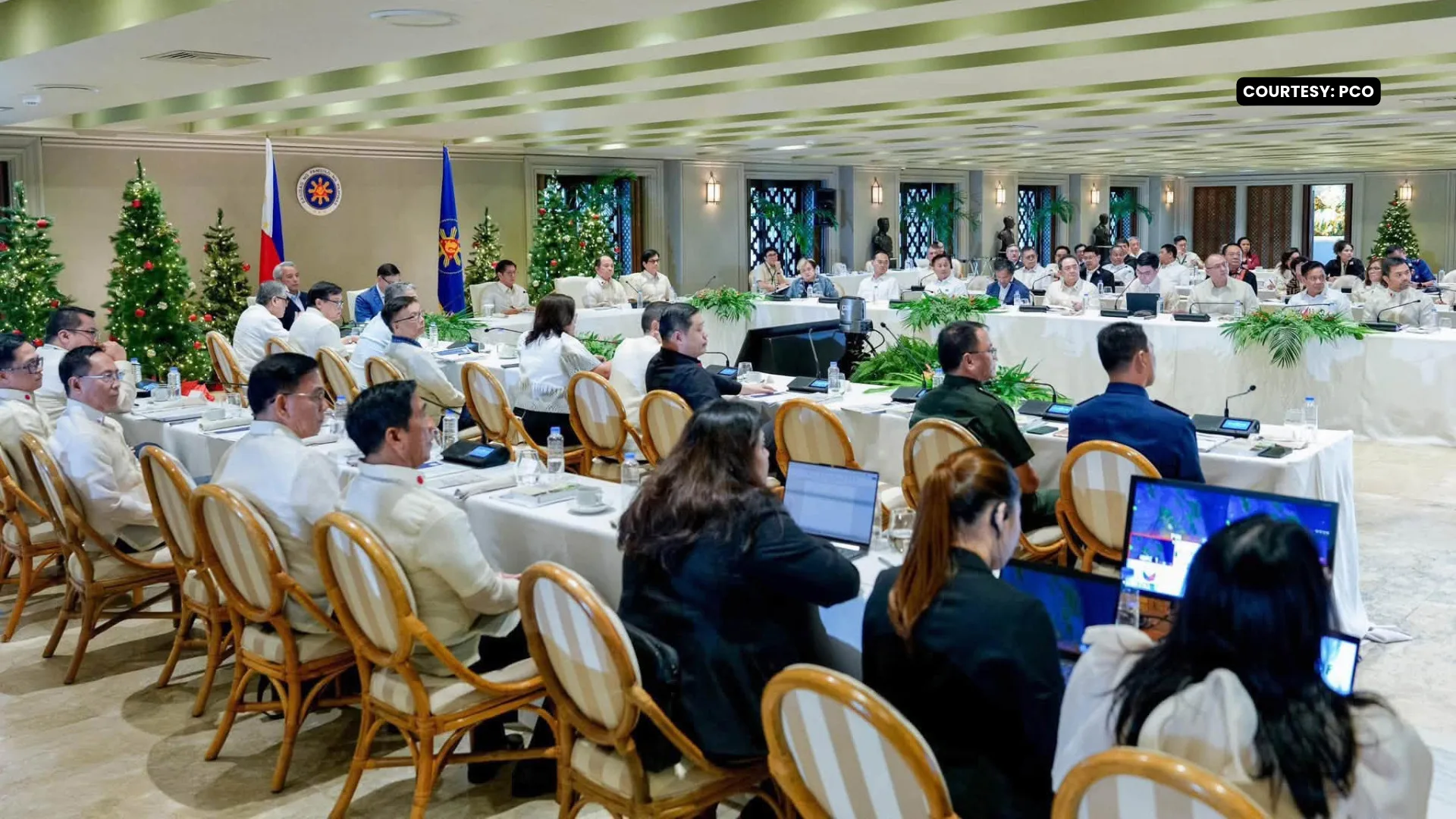
In a report submitted to President Ferdinand Marcos Jr. during the 10th NTF-ELCAC Executive Committee meeting, the task force stated that nearly P1 billion in state financial and social assistance was disbursed to 27,897 former insurgents and their families from July 2022 to October 2026.
NTF-ELCAC Executive Director, Undersecretary Danilo Pamonag said the National Amnesty Commission (NAC) is currently processing the amnesty applications of 13,841 former Communist Party of the Philippines-New People’s Army-National Democratic Front (CPP-NPA-NDF) members.
The policy update coincides with executive directives instructing government agencies to prioritize the Transformation Program, which delivers livelihood resources, educational support, and community assistance to help former combatants reintegrate into civil society.
Under the transformation framework, 3,911 dependents have received academic scholarships via the PAyapa at MAsaganang PamayaNAn (PAMANA) Educational Assistance Program. Additionally, 4,713 people’s organizations have been established to drive local economic participation for former insurgents and their immediate families.
Parallel physical infrastructure investments through the Barangay Development Program have directed P44.9 billion toward projects in 5,638 of the 9,750 identified isolated locations.
Completed and active works encompass 978 school classrooms, 1,601 kilometers of farm-to-market roads, 1,182 water and sanitation facilities, and 556 local health stations, reaching an estimated 16.08 million beneficiaries.
The Presidential Communications Office noted in a social media release that the multi-agency reintegration push forms a core pillar of the national peace agenda, targeting underlying socioeconomic deficits in conflict-affected regions through basic service access and sustainable economic channels.