
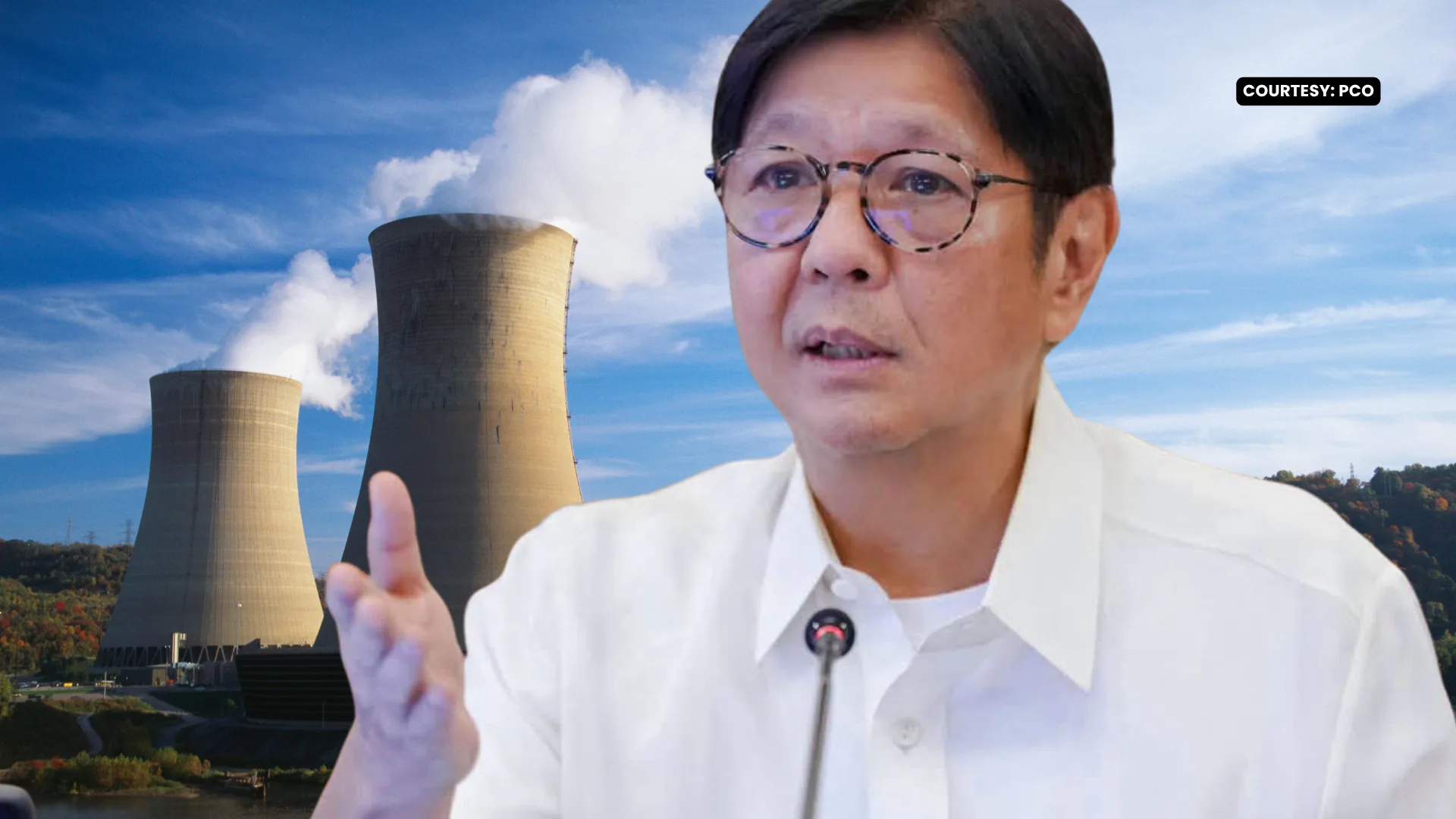
Palace Press Officer Claire Castro clarified that the working visit of President Ferdinand R. Marcos Jr. to Singapore centers on economic investments and energy security, dismissing criticisms that the trip is aimed at attending the upcoming Singapore Grand Prix.
Speaking during a joint press briefing in Singapore with Philippine Ambassador to Singapore Medardo Macaraig, Castro emphasized that the official itinerary focuses on pitching investment opportunities to global business leaders and evaluating nuclear technology models.
Addressing public inquiries regarding the Grand Prix, Macaraig confirmed that Singaporean Prime Minister Lawrence Wong extended a personal invitation to President Marcos to attend the sporting event, noting that the gesture carries minimal cost to Philippine taxpayers.
”Imbitasyon ’yun ni Prime Minister Lawrence Wong. So ’yun, siyempre, halos wala tayong gastos diyan,” Macaraig said.
Macaraig explained that ticket expenses are fully waived under the diplomatic invitation, with the chief executive’s flight and lodging already covered under the working visit’s approved budget.
The ambassador added that he also accepted a separate invitation to attend the event, citing the value of informal gatherings with foreign counterparts and international business executives.
Castro noted that President Marcos has yet to confirm whether he will attend the race, maintaining that public attention should focus on the economic deliverables of the state delegation.
She highlighted that the President is scheduled to speak at the 24th Forbes Global CEO Conference to court foreign investments across key industries, including digital technology, artificial intelligence, advanced manufacturing, infrastructure, energy, and healthcare.
Additionally, the presidential delegation will visit the Singapore Nuclear Research and Safety Institute to inspect regional standards in nuclear safety, research, and regulatory frameworks.
The Palace noted that insights gained from the facility will support long-term energy planning in the Philippines, expand technical capacity-building, and establish formal avenues for bilateral nuclear science cooperation.