
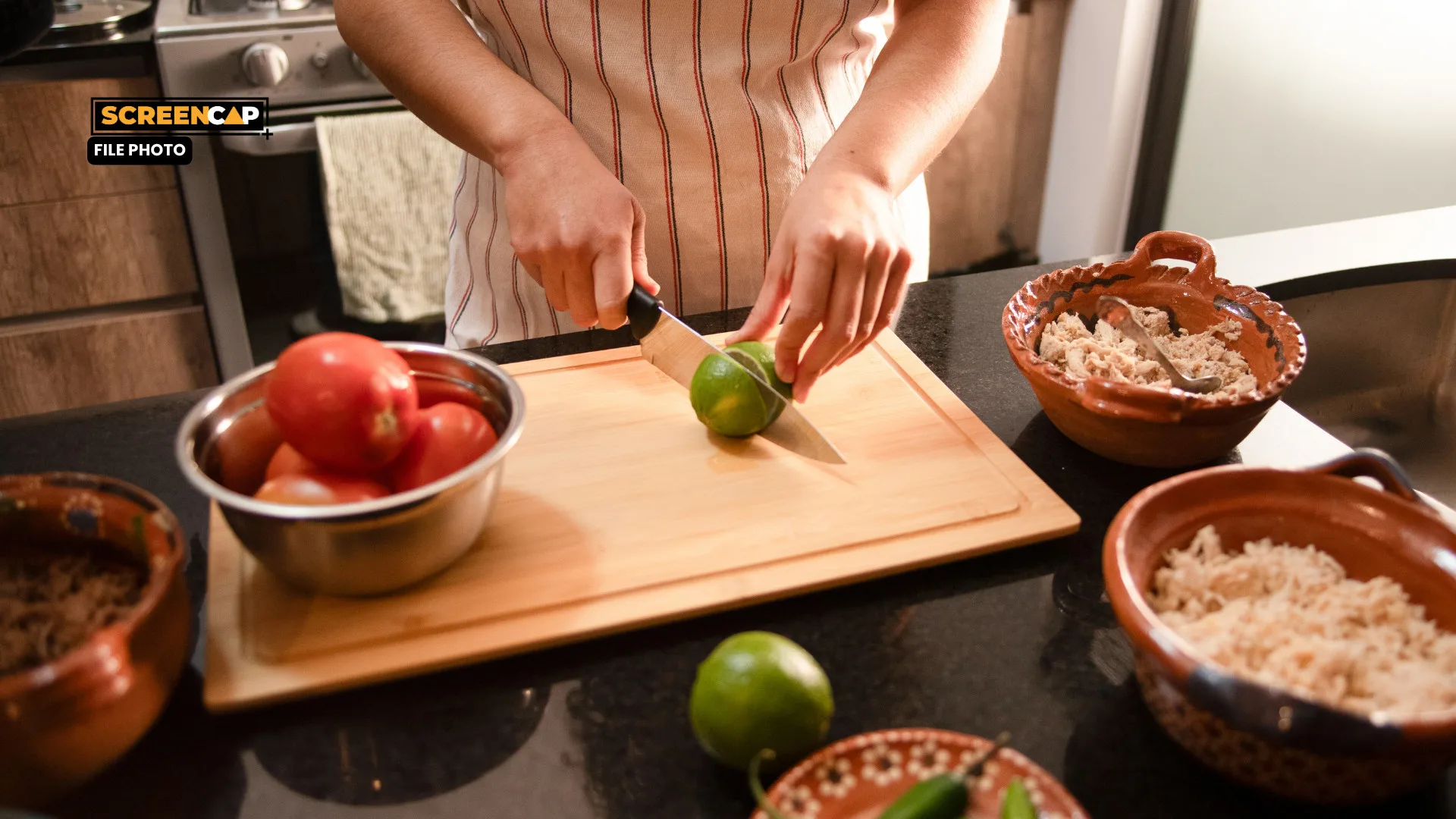
Maybe it’s the adobo recipe nobody bothered to write down.
Or the ancient sewing kit that somehow contains everything. The habit of keeping plastic bags inside another plastic bag. A favorite song from a singer you’ve never seen. The insistence that you bring an umbrella even when the sky is perfectly blue.
Before we inherit property, jewelry or a family name, many of us inherit ways of living from our grandparents.
And on Grandparents’ Day, perhaps those are worth noticing, too.
Across the Philippines this weekend, celebrations for lolo and lola range from health checks and senior walks to cooking competitions, chess matches and grandchildren serenading their elders. At Robinsons Malls alone, a Grand Walkathon is being staged simultaneously across 20 locations, putting active aging rather than simply nostalgia at the center of the celebration.
But some of the most enduring gifts grandparents leave us don’t come wrapped.
The recipe that says “tantyahin mo lang”
Family recipes may be among the most fragile heirlooms because many exist only in someone’s memory.
Ask Lola how much vinegar goes into her adobo and you may get the notoriously unhelpful instruction: tantyahin mo lang.
How much salt? Sakto lang.
How long do you cook it? Malalaman mo naman.
What looks like culinary vagueness is actually knowledge accumulated through repetition—judging food through smell, texture, sound and taste rather than measurements.
This Grandparents’ Day, one Cebu-style lechon, pancit, kakanin or family adobo recipe is probably more worth recording than another posed photograph.
Ask for the recipe. Then cook it with them. Write down the parts they don’t.
Your closet may have a family archive
Grandparents also leave behind a visual vocabulary.
A grandfather’s watch. Lola’s handbag. An old barong. A brooch tucked into a drawer. Printed dresses that suddenly don’t look very old-fashioned now that fashion has circled back around.
Don’t dismiss the old cabinet as clutter too quickly.
Ask where an object came from, when it was worn and why it mattered. A seemingly ordinary dress might have been bought with someone’s first salary. A watch may have survived three jobs and five decades. The barong gathering dust could have been worn at your parents’ wedding.
The value isn’t necessarily vintage resale.
The story is the provenance.
The expressions we didn’t realize we inherited
Then there is language.
Families preserve words, accents, nicknames, jokes and expressions that sometimes survive nowhere else in quite the same way.
Perhaps Lola switches effortlessly between Tagalog and Kapampangan. Maybe Lolo still uses a Cebuano expression his grandchildren understand but rarely say themselves.
Record them speaking.
Not because every conversation needs to become family history, but because voices are among the things photographs cannot preserve.
Ask them to tell the story of their first job. Their first date. What your parent was like as a child. What Manila, Cebu, Davao or their hometown looked like when they were 20.
You may discover that the family stories you’ve heard repeatedly have details nobody ever thought to ask about.
And then there are the invisible inheritances
Grandparents pass down behaviors so quietly that we often mistake them for our own.
How we welcome visitors.
Why food must always be offered.
Why leaving someone’s house requires approximately three separate goodbyes.
Why leftovers cannot simply be thrown away.
Why there’s emergency cash hidden somewhere improbable.
Some habits came from scarcity. Others came from hospitality, religion, provincial life, migration, war, work or simply the personality of one stubborn ancestor.
Not everything needs to be preserved, of course. Every generation gets to decide what it carries forward and what it leaves behind.
That may be the more interesting definition of inheritance.
The best Grandparents’ Day question may be a question
The National Commission of Senior Citizens’ theme for Elderly Filipino Week this year emphasizes that older Filipinos have not only rights and dignity but also a voice and continuing contribution to society.
That’s a useful reminder because celebrations of grandparents can sometimes turn them into symbols: wise Lola, funny Lolo, beloved family patriarch or matriarch.
Real grandparents are more complicated—and more interesting.
They had ambitions before they became grandparents. They made mistakes. Fell in love. Changed careers. Survived bad years. Had questionable fashion phases. Made decisions their grandchildren may never know about.
So instead of asking only what you can give Lolo or Lola today, ask them something you’ve never asked before.
What were you like at my age?
Then put the phone down—unless you’re using it to record the answer.
Because one day, the most valuable thing your grandparents leave behind may not be something you inherit.
It may be something you remembered to ask.