
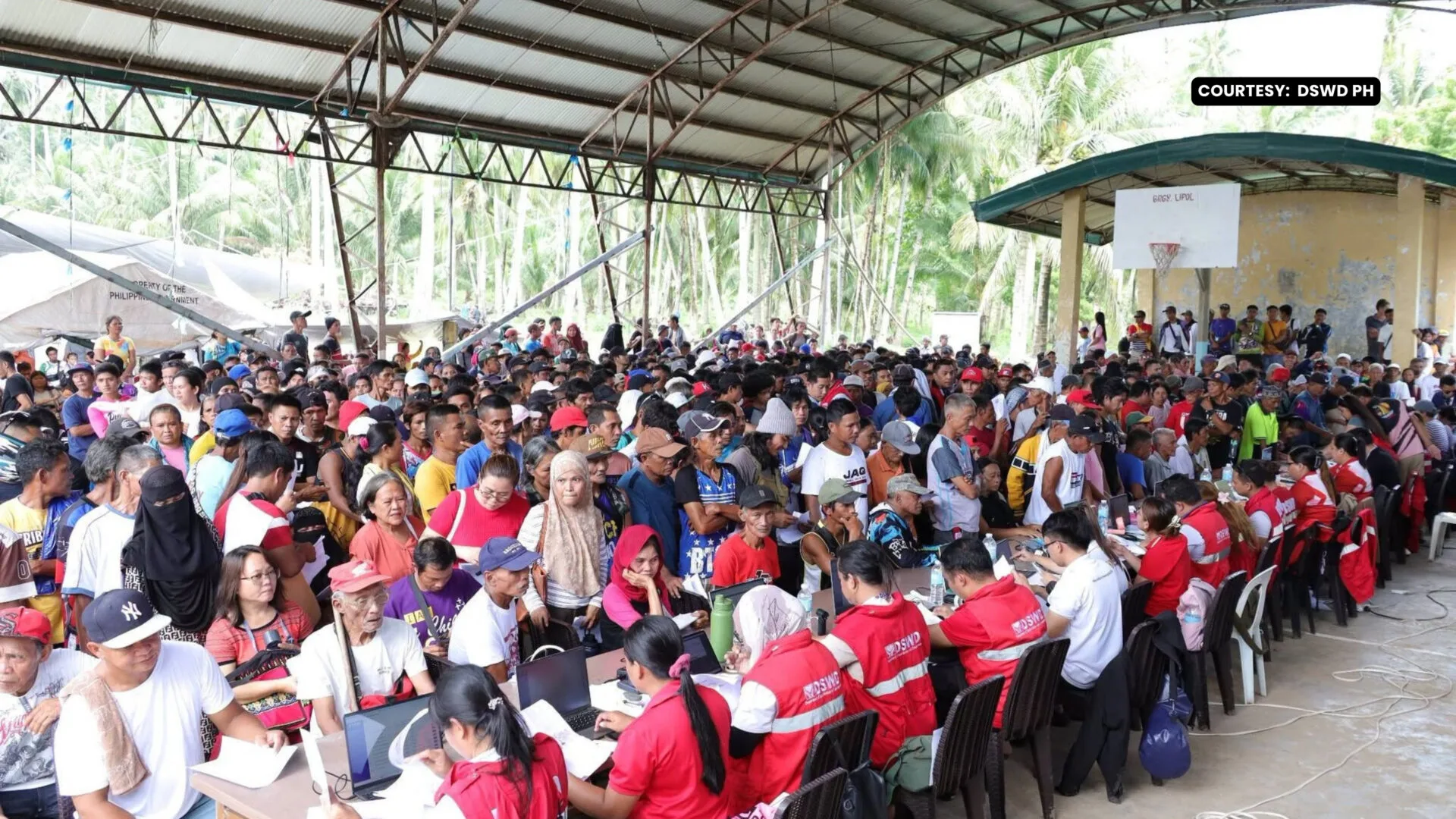
President Ferdinand R. Marcos Jr.’s administration will continue to provide assistance to poor and vulnerable Filipinos despite the Philippines’ rise to upper-middle-income status.
Presidential Communications Office Undersecretary and Palace Press Officer Claire Castro said the World Bank’s latest classification is a major milestone for the country, but stressed that it does not mean all Filipinos are already free from financial hardship.
“Actually, yung pag-recognize po ng World Bank na narating na po ng Pilipinas ang upper-middle-income status, ito po ay isang mahalagang pagkakataon, tawagin niya ay milestone dahil since 1987, ngayon lang po umangat ang ating level. So dapat po natin ipagmalaki ito,” Castro said during a press briefing in Canada.
Castro said the new classification should be a source of pride for the country, but not a reason for the government to stop its poverty and hunger interventions.
“At ito naman po ay hindi ibig naman sabihin na ang bawat Pilipino ay nasa ganoong level na hindi na magkakaroon ng financial challenge. Alam po natin sa ngayon na marami pa rin po mga kababayan natin ang kinakailangan (tulungan),” she said.
She said the Marcos administration remains focused on helping Filipinos who continue to face economic difficulties.
“At doon po pumapasok yung intervention ng administrasyon. Pati po ang mga isyu tungkol sa mga kagutuman, nagkakaroon ng intervention ang gobyerno at nagpapatupad ng kinakailangan natin para ang mga kababayan natin ay maramdaman ang ginhawa sa buhay,” she added.
Castro made the remarks after being asked about claims that many Filipinos still consider themselves poor despite the country’s latest economic milestone.
She said the country’s elevation to upper-middle-income status should be viewed as progress, not as the end of the government’s work.
“So, ito pong pagiging upper-middle-income country, hindi po ito finish line. Hindi ito katapusan. Marami pa dapat gawin ang bansa para mas umangat pa ang ekonomiya,” Castro said.
According to reports citing World Bank data, the Philippines moved into the upper-middle-income category after its gross national income per capita rose to US$4,850 in 2025 from US$4,470 in 2024, supported by sustained economic growth and updated national accounts methodology.
Castro said the improved classification reflects a stronger economy that could help attract more investments, generate more jobs, and create better opportunities for Filipinos.