
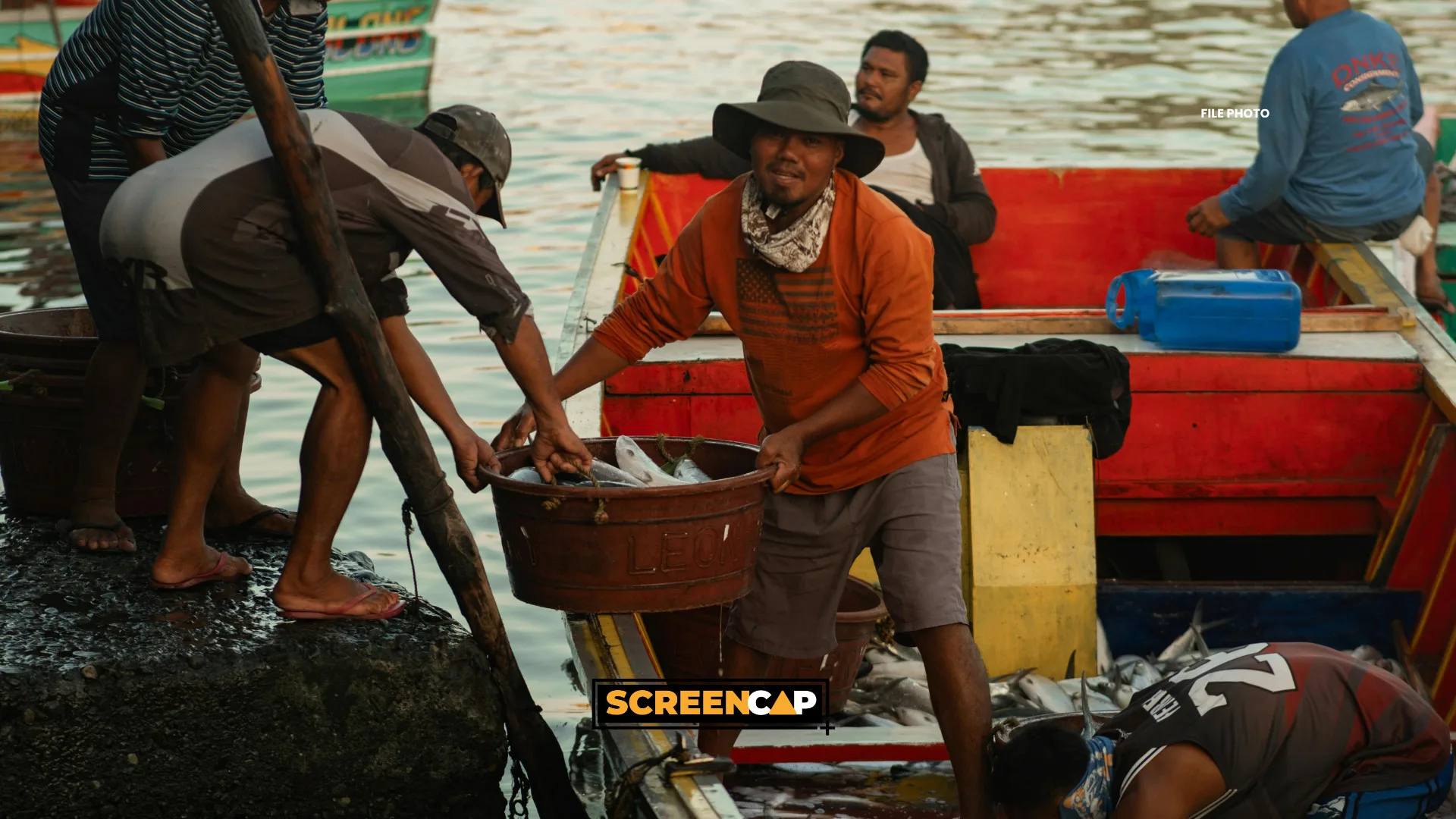
Efforts to expand trade and investment ties between Mindanao and European Free Trade Association (EFTA) member states took focus during the EFTA–Mindanao Dialogue held in Davao City, highlighting opportunities in fisheries, renewable energy, and value-added industries.
Discussions centered on aligning Mindanao’s production strengths with European expertise in areas such as aquaculture, green technology, maritime industries, and sustainable finance. Norway, in particular, was identified as a key partner in fisheries and aquaculture, with potential collaboration in major coastal areas including General Santos, Zamboanga, Davao Oriental, and the Surigao Strait.
Renewable energy also emerged as a priority, with interest in developing wind, hydro, solar, and hybrid systems, alongside technology transfer and green financing initiatives.
The dialogue builds on the Philippines–EFTA Free Trade Agreement framework, which supports expanded market access and investment cooperation. While trade volumes remain smaller compared to other global markets, EFTA members such as Switzerland and Norway are considered steady partners in both trade and investment.
Data from the Philippine Statistics Authority and the Department of Trade and Industry show that exports to Europe are largely driven by agricultural and fisheries products, electronics, and manufactured goods. Imports from EFTA countries consist mainly of machinery, pharmaceuticals, and industrial inputs.
Mindanao plays a key role in these trade flows, particularly as a major source of agricultural and fisheries exports, including tuna, which benefit from preferential access to European markets under existing trade arrangements.
Officials said the dialogue reflects ongoing efforts to diversify trade partnerships and position Mindanao as a regional growth corridor for investment and sustainable development.
The initiative also supports broader economic priorities, including expanding global market linkages, accelerating energy transition, and promoting value-adding industries tied to local resources.
Participants included representatives from government agencies, foreign missions, business groups, and investment promotion offices, signaling continued interest in strengthening economic cooperation between Mindanao and European partners.