
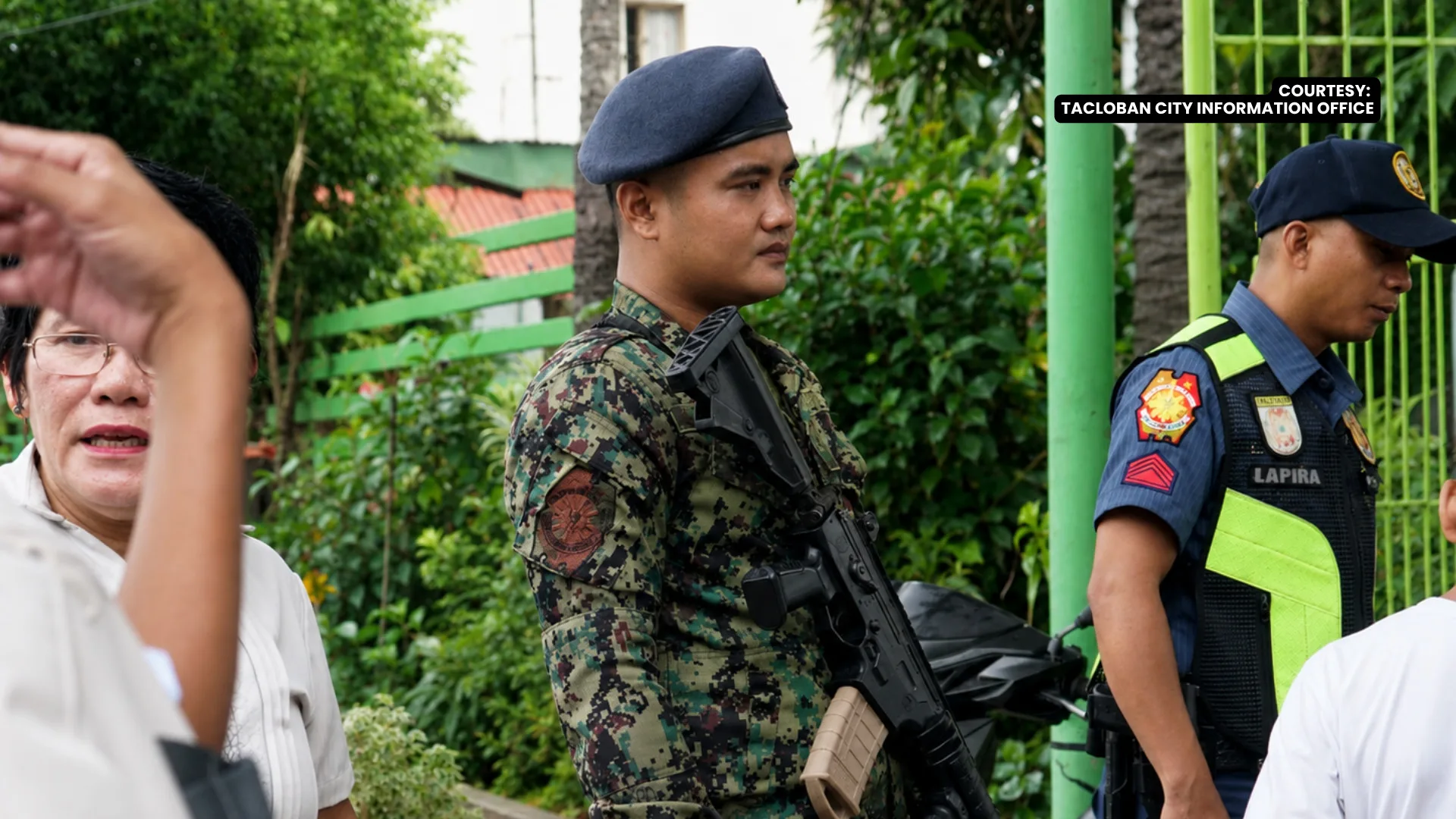
The National Task Force to End Local Communist Armed Conflict (NTF-ELCAC) mourns the deaths of three students in the June 22 school shooting at San Jose National High School in Tacloban City. To the families, classmates, teachers, and the broader school community, the Task Force extends its deepest condolences. A school day should never end with parents learning that their child is gone forever.
In the wake of the tragedy, NTF-ELCAC emphasized that compassion must come first, followed by a careful investigation to establish facts, trace how firearms reached minors, and ensure accountability under the law. Investigators must be allowed to carry out their work while respecting the rights of children in conflict with the law and protecting the victims’ dignity.
Yet, even before the investigation concludes, the incident underscores a growing danger: too many Filipino children are being exposed to spaces where violence is normalized—consumed, shared, rehearsed, and sometimes even glorified. Extremist actors increasingly exploit classrooms, online platforms, chat groups, social media, and homes to groom and radicalize youth, turning idealism and anger into tools for violence.
In response, NTF-ELCAC supports legislative measures such as Senate Bill 1366 and House Bills 7460, 05484, and 07204, collectively known as the Terror Grooming and Radicalization Prevention Act. These bills aim to disrupt recruitment and radicalization pathways before they escalate into violent acts. The measures are not intended to criminalize students or activism but to protect vulnerable sectors and close gaps in the country’s counterterrorism framework.
Decades of experience show that extremist movements prey on the young—transforming pain into ideology, anger into hatred, and idealism into armed conflict. Modern recruitment has grown faster, more covert, and digitally enabled. The Tacloban tragedy illustrates that prevention cannot wait until violence erupts; it must be proactive, anchored in child protection, due process, human rights, and community support.
The Task Force calls for stronger school guidance systems, functioning child protection committees, mental health referral pathways, trained teachers, and early-warning mechanisms. Schools and universities must remain spaces for learning, friendship, and hope—not for fear, manipulation, or radicalization.
Lawmakers are urged to treat the Tacloban shooting as a warning: the country must act early, prioritize prevention, and safeguard children from terror grooming, radicalization, and normalized violence. Filipino children deserve safety, education, and a future free from fear, manipulation, and senseless harm.