
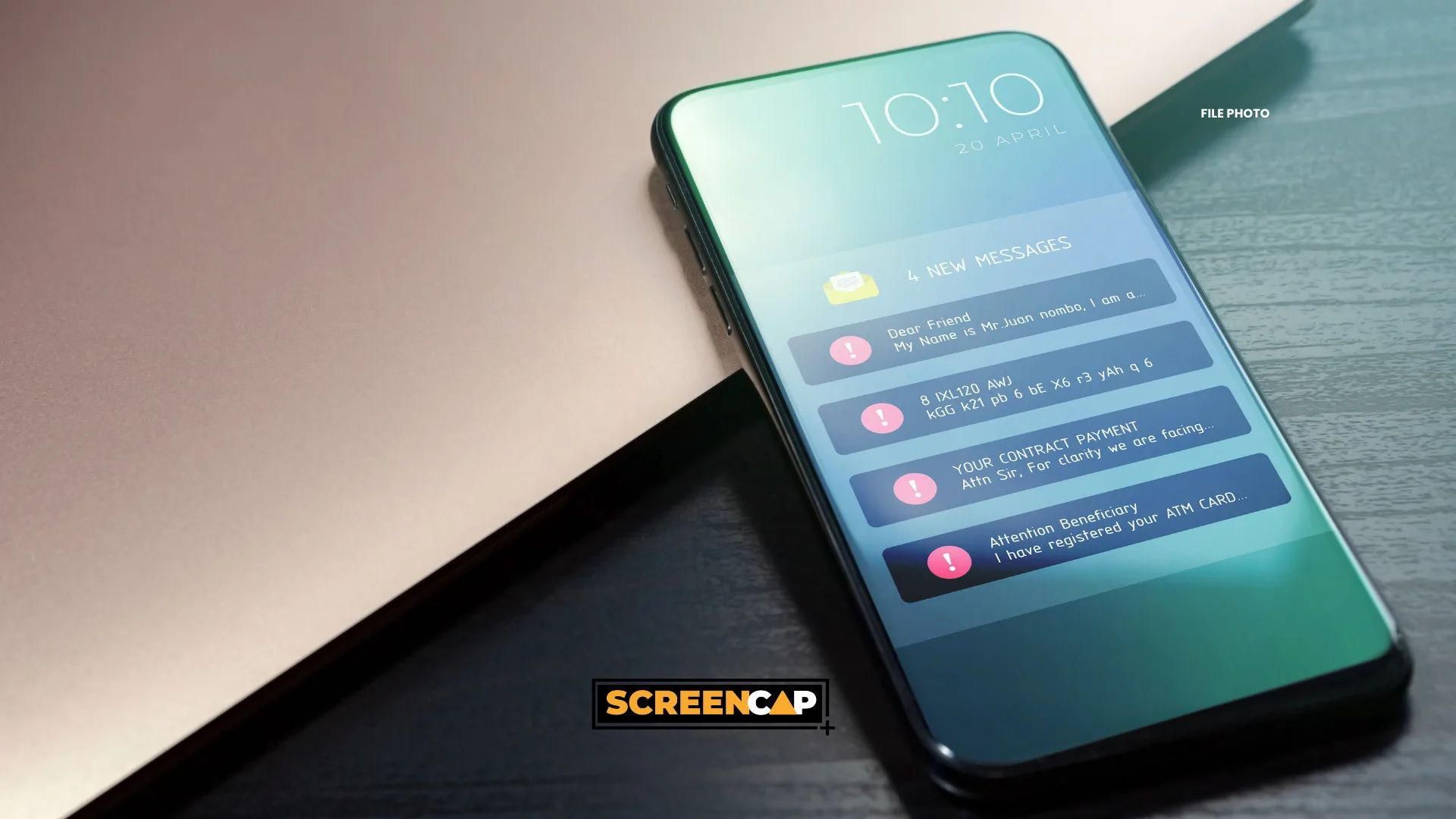
Smart Communications Inc. blocked more than 955 million scam and phishing text messages in the first quarter of 2026 as part of its intensified campaign against mobile fraud.
The telco also blacklisted nearly 200,000 mobile numbers linked to malicious activities during the same period.
PLDT chief operating officer and network head Menardo “Butch” Jimenez Jr. said scammers have been using increasingly deceptive tools, including devices that mimic legitimate cell towers to send fraudulent messages directly to nearby mobile phones.
“Scammers are exploiting devices that imitate legitimate cell towers to send fraudulent messages directly to nearby phones,” Jimenez said.
“This is why we continue to strengthen our network defenses while working closely with government partners to help protect our customers,” he added.
Smart and its value brand TNT recently launched anti-text scam awareness videos to support the government’s campaign against fraud schemes carried out through mobile technology.
Jimenez said protecting consumers from online scams requires cooperation among government, industry players and the public.
“By raising awareness and strengthening safeguards across networks, we can make it harder for criminals to exploit mobile technologies,” he said.
PLDT and Smart urged consumers to watch for warning signs of possible text scams. These include messages that create a false sense of urgency, such as claims that an account will be suspended, rewards points are about to expire, or access credentials will be revoked.
Other scam messages may promise prizes, exclusive deals or other rewards to persuade users to click malicious links.
The companies also warned against signal hijacking, a method that allows criminals to send phishing messages directly to nearby phones without passing through a telco’s messaging network.
The scheme uses devices known as International Mobile Subscriber Identity (IMSI) catchers, or rogue base stations, which impersonate legitimate cellular towers and trick mobile phones into connecting to them.
A sudden downgrade from 5G to older networks such as 2G before suspicious messages are received may indicate the possible presence of fake cell towers, according to PLDT and Smart.