
The impeachment trial of Vice President Sara Duterte resumed with intense legal maneuvering, as prosecution panels sought to present subpoenaed bank records and financial disclosures to bolster charges surrounding unexplained wealth and the alleged misuse of public funds.
The attempt to introduce the financial documents triggered sharp debate between opposing legal teams over the admissibility of the evidence and constitutional protections against self-incrimination. House prosecutor Rep. Chel Diokno argued that the prosecution panel was not asking the respondent to confess to wrongdoing, emphasizing, “To be clear, the respondent has not made any claim that they are fake or fabricated. That is why we are saying that the authenticity of the bank documents is not genuinely disputed”.
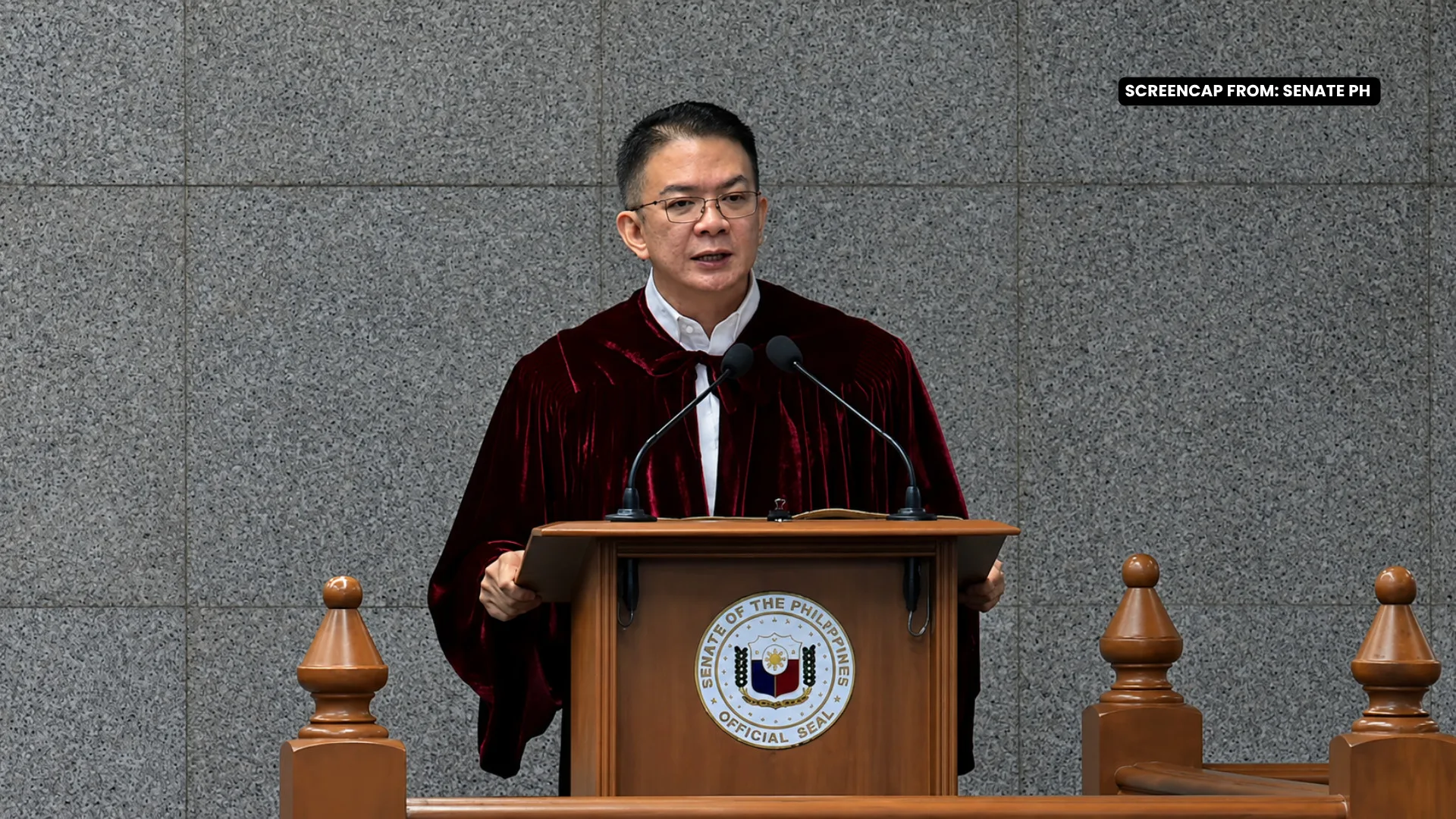
However, defense counsel Sheila Sison resisted the prosecution’s push for immediate stipulations, warning that compelling responses on unverified records could infringe upon constitutional safeguards. Addressing the prosecution’s request to compel admissions regarding the subpoenaed bank records, Presiding Officer and Senate President Francis “Chiz” Escudero ruled that the constitutional Bill of Rights “applies throughout the impeachment process and must, therefore, be respected in this trial”.
Escudero further cautioned against shifting procedural obligations onto the respondent, noting that the prosecution cannot shift the burden of proof to Duterte “through the simple expedience of a request for admission”. The impeachment court directed the prosecution panel to submit its proposed stipulations in writing, allowing defense attorneys to formally examine the marked financial records before trial proceedings continue.