
WHY arrest journalist Philip Lustre Jr., but not Vice President Sara Duterte?
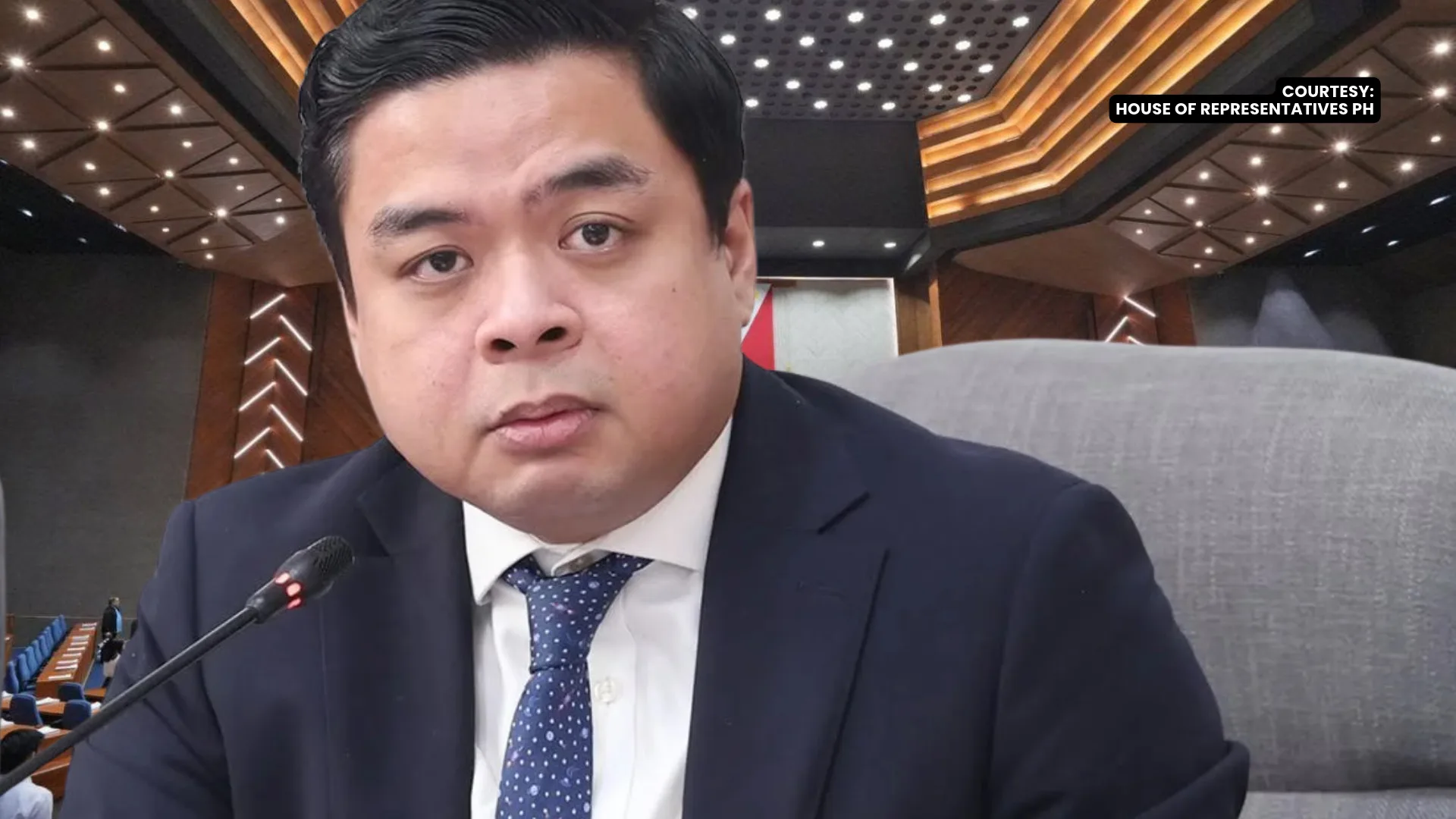
This is the question of House prosecutor and Bicol Saro party-list Rep. Terry Ridon to the Philippine National Police (PNP).
In a press briefing, Ridon accused the PNP of applying a double standard in enforcing arrest warrants, questioning why the veteran journalist was arrested over a cyberlibel case while Duterte was not taken into custody over a grave threats case.
The lawmaker said the PNP must explain its different treatment of the two cases, both involving offenses for which bail is allowed.
“I think the [PNP] should clarify today bakit po inaaresto si Philip Lustre samantalang hindi po inaaresto ang ating pong Pangalawang Pangulo,” Ridon said.
“The double standard of the non-arrest of the Vice President is clearly at play on the arrest of Philip Lustre,” Ridon also said.
Lustre, 72, was arrested Saturday, Oct. 24, shortly after attending a media forum in Quezon City on a cyberlibel warrant issued by a Davao City court.
He was released later that evening after posting P48,000 bail. His lawyer, Dino de Leon, identified lawyer Manases Carpio, Duterte’s husband, as the complainant.
Duterte, meanwhile, posted P360,000 bail on Sept. 5, a day after a Quezon City court issued an arrest warrant against her for three counts of grave threats. The court subsequently lifted the warrant.
Ridon questioned why police enforced the warrant against Lustre but did not take Duterte into custody before she posted bail.
“There are questions today as to why in-implement po ‘yung Philip Lustre arrest, and bakit hindi in-implement ‘yun pong Sara Duterte arrest? When in fact, we are talking about the same bailable offenses over the weekend,” Ridon said.
Ridon said the PNP had previously cited the nonbailable nature of plunder charges to explain the arrest of other public officials, but that distinction did not apply to the cases involving Lustre and Duterte.
“Pero we are talking about today the bailable offense of libel and the bailable offense of grave threats. What is the distinction that the [PNP] had implemented on both of these cases?” Ridon also said.
Ridon said the PNP owed Congress and the media an explanation for what he described as unequal enforcement of arrest warrants.
He maintained that the police should apply the law fairly, regardless of the personalities involved.