
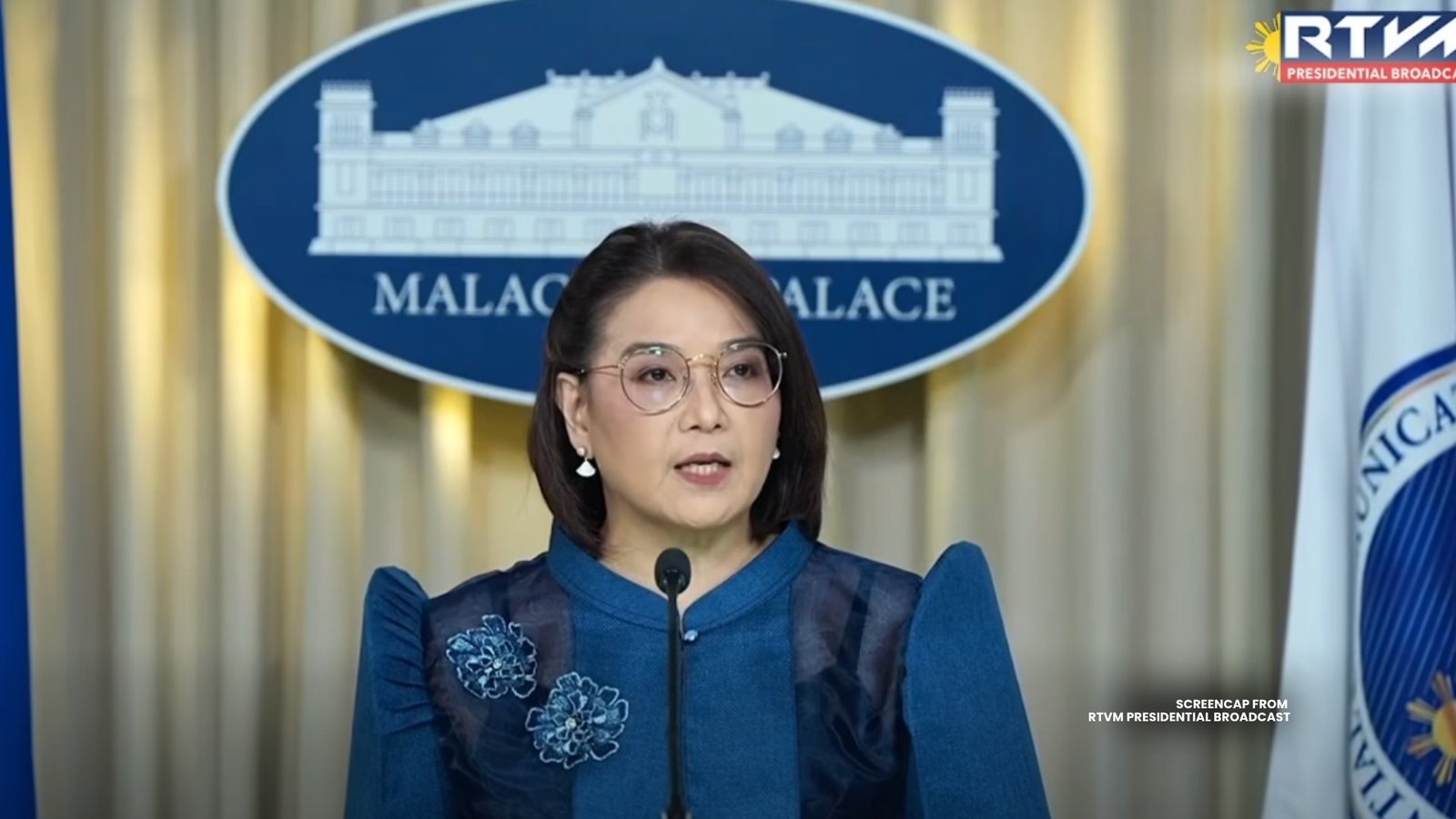
Malacañang said Wednesday it would not interfere in the Senate’s internal decisions on whether to amend its rules, including a proposal to allow online participation and voting, but noted that current conditions may not justify such a move.
Speaking at a briefing in Japan, Palace Press Officer Claire Castro said President Ferdinand Marcos Jr. and the administration have no role in deciding how the Senate conducts its proceedings.
“We always say that what happens in the Senate is their decision, and the President and the administration will not interfere,” Castro said in Filipino.
The statement came after a heated Senate debate on Tuesday over a proposal to allow absent senators to participate and vote remotely. The dispute led to a walkout by minority senators, who questioned the timing and purpose of the proposed rule change.
Castro said the debate gives the public a chance to assess whether leaders are acting in the interest of the country or serving personal and narrow political concerns.
“This is a good opportunity for Filipinos to see whether these leaders are working for the country or only for themselves or for a few,” she said.
Quoting Filipino revolutionary Gen. Antonio Luna, Castro added: “Bayan o sarili, mamili ka.”
She said the existing Senate rules appear to be functioning, adding that remote meetings and voting are usually justified by extraordinary circumstances such as a calamity, pandemic, or urgent public emergency.
The proposal has drawn scrutiny because of questions surrounding the absence of Sen. Ronald “Bato” Dela Rosa, who left the Senate despite previously being under its protective custody after the International Criminal Court issued a warrant for his arrest.
Castro said Senate President Alan Peter Cayetano had justified Dela Rosa’s absence by citing concerns over the senator’s security if arrested.
Malacañang also denied involvement in complaints filed against some senators, including Rodante Marcoleta and Jinggoy Estrada.
Castro said the complaints were filed before the formation of the so-called “majority 13” in the Senate, which emerged after the leadership change that installed Cayetano as Senate President.