
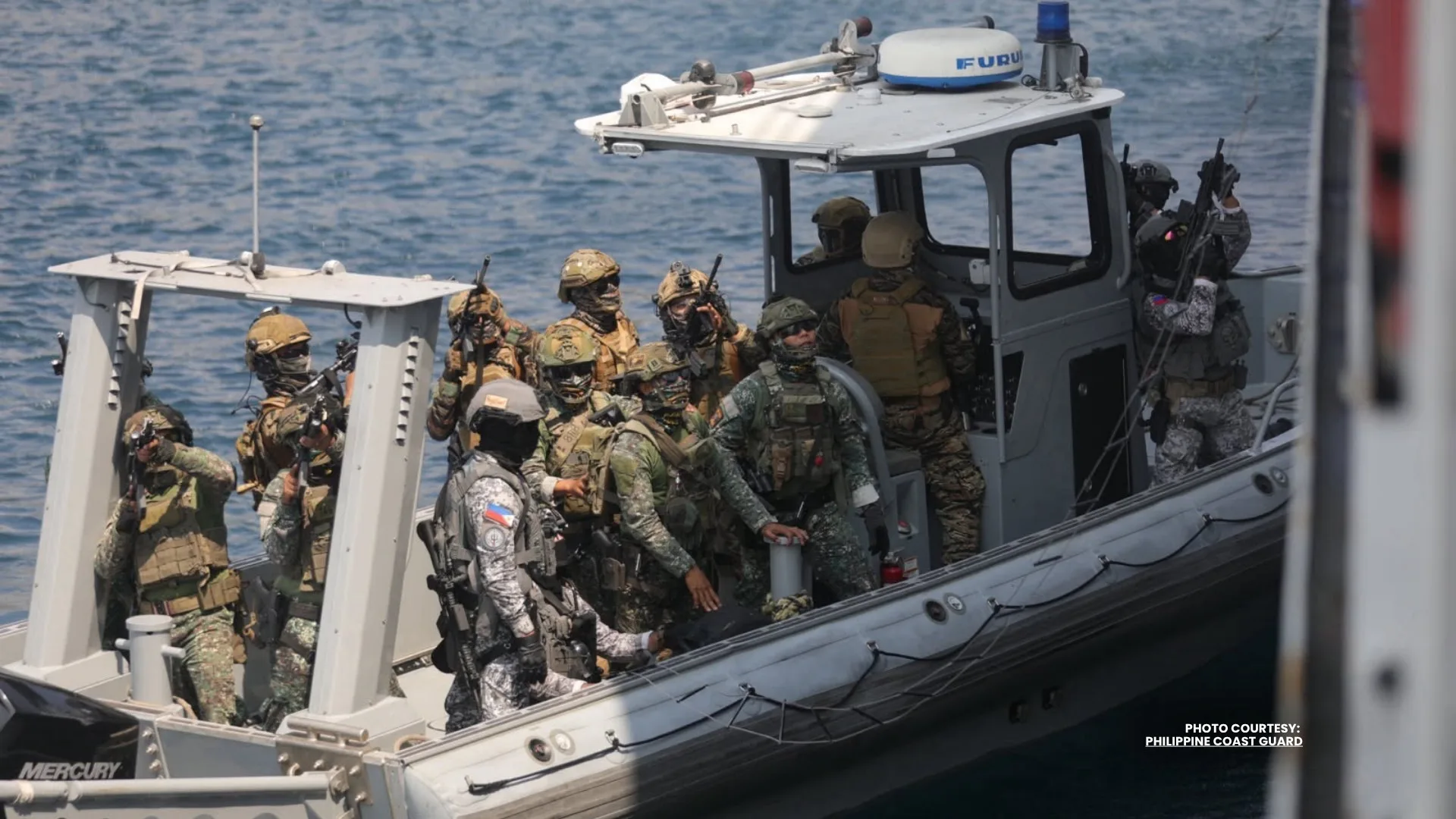
Seven in 10 adult Filipinos believe joint military exercises and naval patrols with other countries help strengthen security in the West Philippine Sea, according to an OCTA Research survey released Monday.
The March 19 to 25 survey, conducted among 1,200 adult respondents nationwide with a ±3 percent margin of error, showed that 71 percent of Filipinos believe activities such as the annual Balikatan exercises and regular joint patrols with allied nations benefit the country’s security posture in the West Philippine Sea.
Fourteen percent said such exercises and patrols may be harmful or could cause trouble for the Philippines, while seven percent said they would have no effect. Another seven percent said they were unsure or did not have enough knowledge to answer.

Support for joint exercises and patrols was recorded across all major geographic areas, with the highest level in the National Capital Region at 74 percent. Mindanao followed with 73 percent, while both Luzon and the Visayas posted 70 percent.
Those who viewed the activities as harmful were highest in Mindanao at 17 percent, followed by NCR and the Visayas at 14 percent each, and Luzon at 12 percent.
By socioeconomic class, support was highest among Class ABC at 79 percent, followed by Class D at 70 percent and Class E at 69 percent. Those who said the exercises and patrols were harmful were highest among Classes ABC and D at 14 percent each, followed by Class E at 12 percent.
OCTA Research said younger respondents showed the strongest support, with 78 percent of those aged 18 to 24 saying joint military activities and patrols are helpful. They were followed by respondents aged 65 to 74 at 77 percent, those aged 75 and above at 76 percent, those aged 55 to 64 at 68 percent, and those aged 25 to 34 and 35 to 44 at 66 percent each.
The view that such activities could cause harm was highest among respondents aged 25 to 34 and 35 to 44 at 19 percent.
More urban respondents supported joint exercises and patrols at 76 percent, compared to 68 percent in rural areas. Meanwhile, 15 percent of rural respondents said the activities were harmful, slightly higher than the 13 percent recorded in urban areas.
Support was also higher among men at 74 percent, compared to 69 percent among women. However, an equal 14 percent of both men and women said the exercises and patrols could be harmful.
By educational attainment, support was highest among college graduates at 75 percent, followed by high school and vocational course graduates at 71 percent each. Among elementary graduates and those with no formal education, 68 percent said the joint exercises and patrols were helpful.