
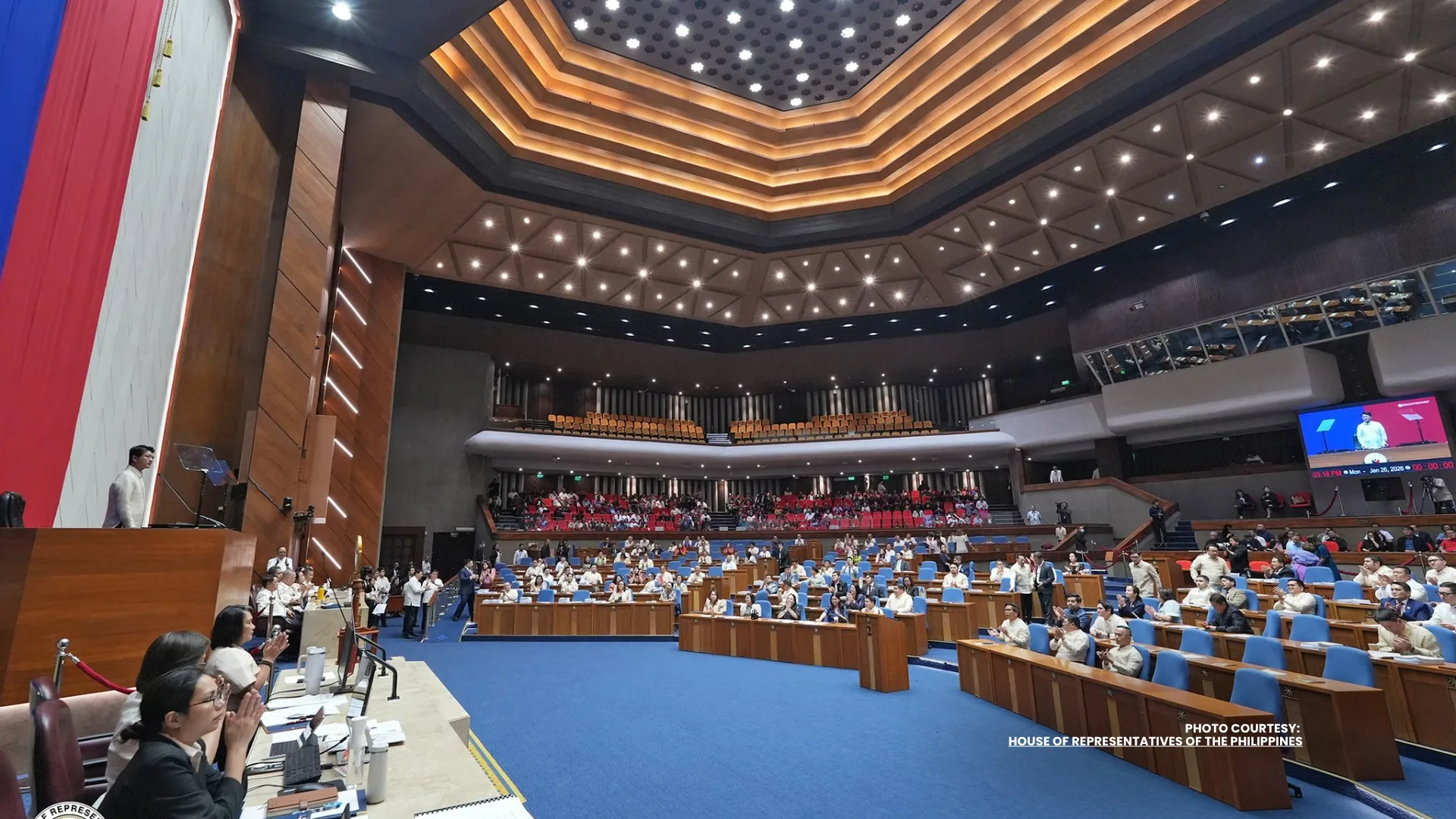
The House of RepresentativesClick to open side panel for more information approved the proposed P353.8-billion budget for the Department of Health (DOH) and its attached agencies, including the Philippine Health Insurance Corporation (PhilHealth), for fiscal year 2027.
Sponsoring the measure, House Committee on Appropriations Senior Vice-Chair and Bataan Representative Albert Garcia emphasized that the funding fulfills mandates under Republic Act No. 11223, or the Universal Health Care (UHC) Act, ensuring affordable access to essential medical services for all Filipinos. Garcia noted that 61 percent of the DOH’s overall allocation is earmarked for regional health centers to decentralize medical care.
“This budget funds the hospitals our people rely on, the workers who staff them, the medicines that save lives and the assistance that keeps sickness from becoming poverty,” Garcia stated.
The health sector’s P353.8-billion spending plan allocates funds across primary operational programs:
P35.48 Billion: Earmarked for operational expenses across all DOH-managed hospitals and public health facilities nationwide.
P25.39 Billion: Allocated to the National Health Workforce Support System to fund the deployment of doctors, nurses, and allied health professionals to underserved communities.
P24.23 Billion: Dedicated to direct medical assistance for indigent and financially incapacitated patients.
Responding to queries raised by 4K Party-list Representative Iris Marie Montes regarding the law’s zero balance billing goal, Garcia stated that the DOH and PhilHealth are refining equity guidelines governing bed capacity allocations across public, private, and specialty hospitals.
Garcia confirmed that state-run hospitals are fully compliant with bed capacity standards mandated by the UHC Act. He added that the DOH plans to integrate UHC compliance as a prerequisite when entering into memoranda of agreement (MOA) with private hospitals seeking eligibility for government assistance programs. Furthermore, the health sector has initiated disease-related groupings to streamline the distribution of aid packages.