
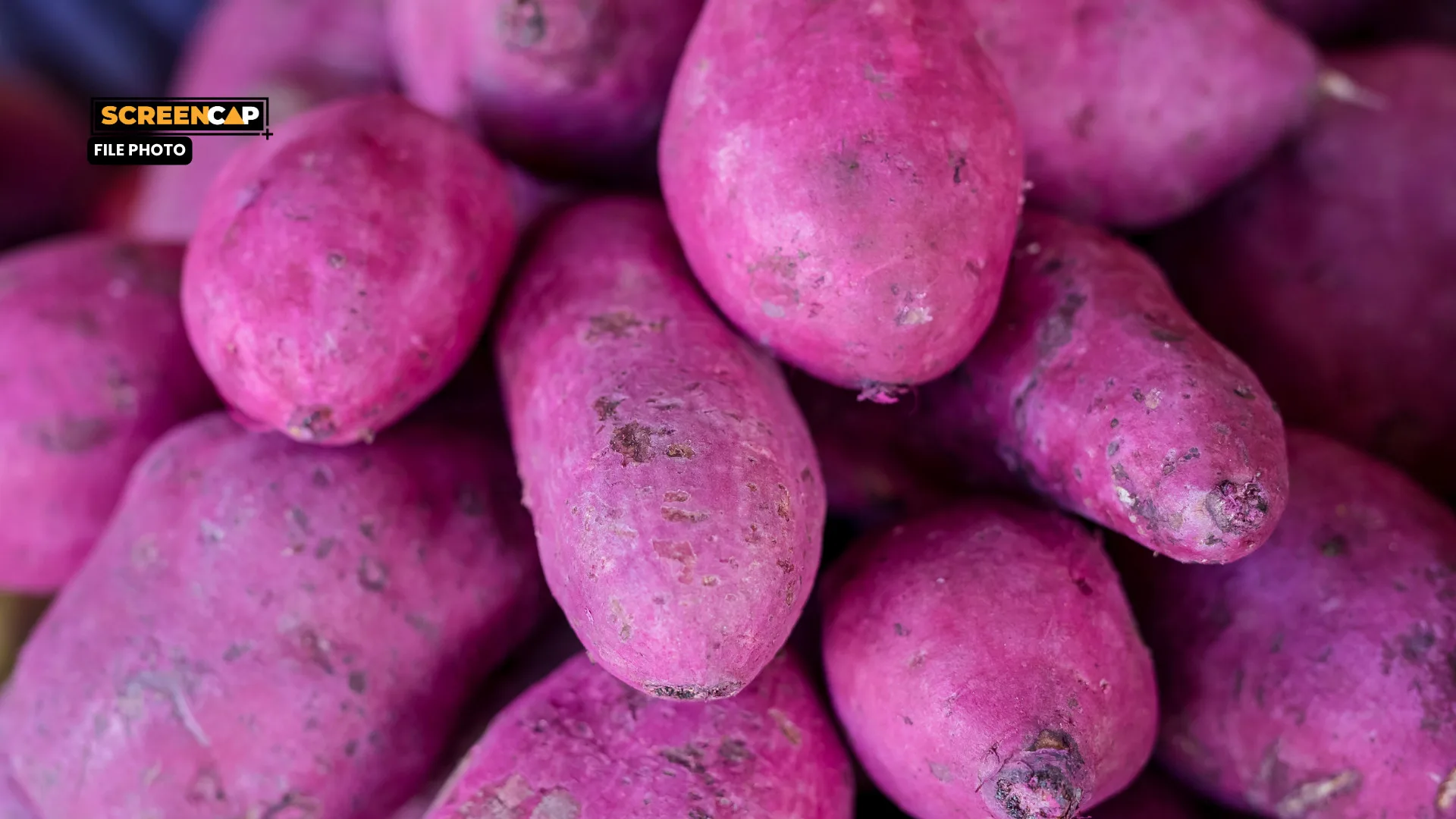
A senior lawmaker is pushing for increased government funding to expand local ube production, citing rising global demand for the purple yam and its growing commercial potential overseas.
In a panel interview in Naga City over the weekend, the lawmaker said preparations are underway for the next budget cycle, with plans to secure additional allocations for the Department of Agriculture’s (DA) high-value crops program, particularly for ube.
“So, now what we’re doing is we’re preparing for the next budget cycle and look into how we can provide additional funding for the high-value crops program but also focus this time on ube,” Senator Francis “Kiko” Pangilinan said.
The DA’s high-value crops program currently supports various commodities, including cacao and coffee, which received about P500 million in the 2026 national budget.
Pangilinan, who chairs the Senate Committee on Agriculture, Food and Agrarian Reform, said boosting ube production would require stronger public-private partnerships, noting that the crop takes roughly a year to mature before harvest.
He also cited his own experience growing around 100 ube plants on his farm as part of efforts to better understand production challenges and opportunities in the sector.
The senator, known for previously restoring funding to zero-budget items such as Sagip Saka and securing allocations for the First Border Security Inspection program, said he intends to continue strengthening support for agriculture in the 2027 budget deliberations.
He said the priority moving forward is to increase funding for the DA and its attached agencies to help improve productivity, support farmers and fisherfolk, and address long-term food security concerns.
Pangilinan also pointed to growing international interest in Philippine agricultural products such as ube and mango as an opportunity to expand export markets.
“We’ll figure out how to source the funds and make it happen,” he said.
Data from the Philippine Statistics Authority showed ube exports reached about US$3.25 million in 2025, up from US$2.7 million in 2024, reflecting increasing global demand equivalent to roughly 1.7 million kilos shipped abroad.
However, a study by the Philippine Root Crop Research and Training Center noted persistent challenges in ube production, including limited access to farm inputs, pest and disease issues, low mechanization, and reliance on small-scale farming systems.