
Senate investigations into alleged anomalies in flood control projects have uncovered what officials describe as a deeply entrenched system of corruption, prompting calls for sweeping reforms and possible criminal charges against those involved.
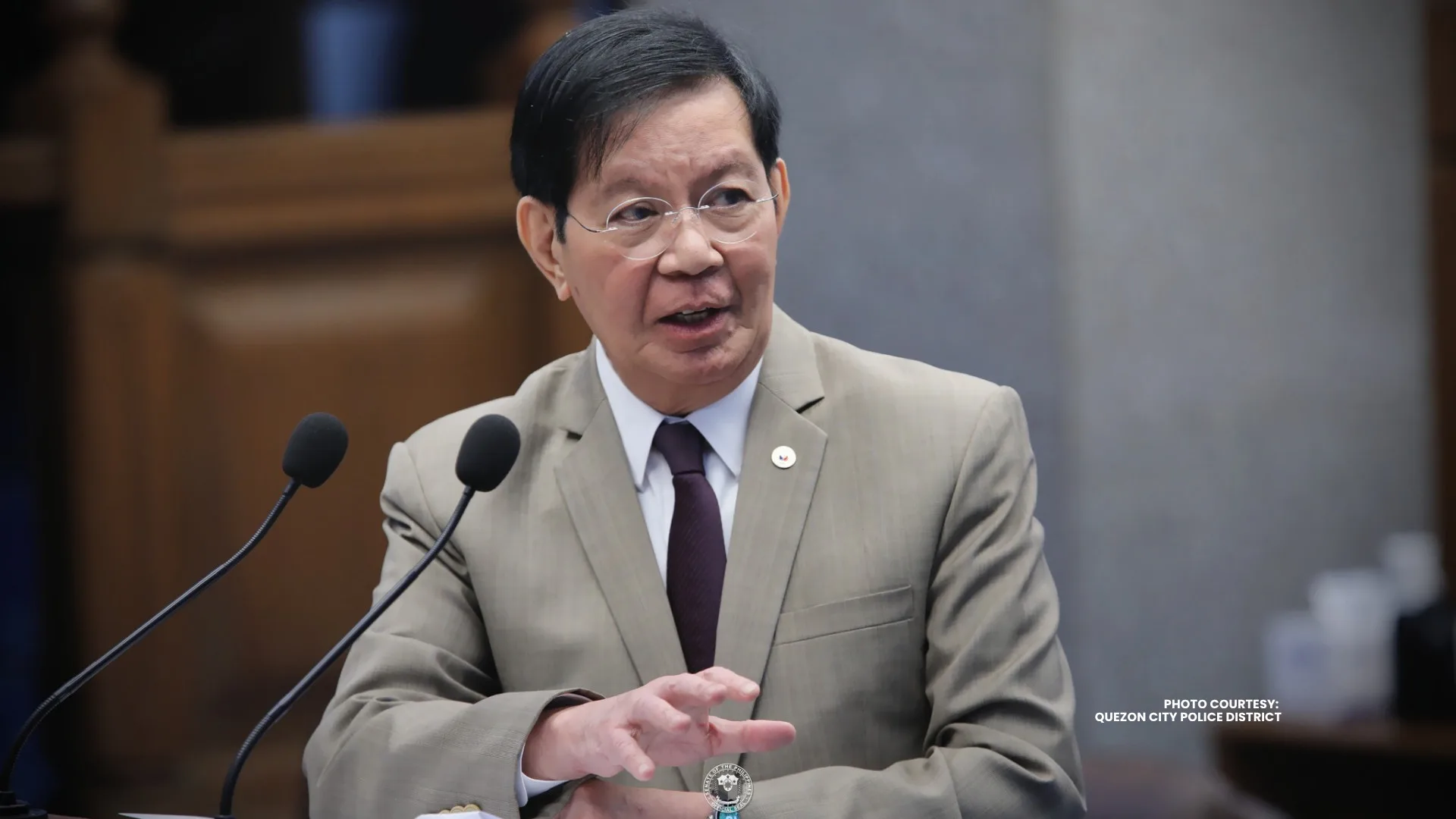
Senate President Pro Tempore Panfilo Lacson presented findings from a series of hearings that, he said, exposed what could be the largest corruption scandal in the country’s history involving flood control funds.
Lacson, who chairs the Senate Blue Ribbon Committee, emphasized that the report is not meant to pass judgment but to guide authorities in determining accountability and pursuing appropriate legal action.
“The road to full accountability is long. But we must start to agree somewhere. This Chairman’s Report is a decisive step forward,” he said, underscoring the need to act on the evidence gathered.
He described the findings as a “referral-and-reform package” aimed at investigating alleged irregularities, recovering misused public funds, and strengthening safeguards to prevent similar abuses in the future.
According to Lacson, the hearings revealed that the issue is not a lack of funding but weaknesses in oversight and internal controls, which have made flood control projects vulnerable to systemic abuse. He said these conditions allowed a network of individuals within government and the private sector to exploit public resources.
The lawmaker also pointed to what he described as an evolution of the pork barrel system, where allocations are repackaged under different terms but still enable questionable insertions in the national budget.
He warned that the consequences of such corruption go beyond financial losses, affecting public trust, governance, and the safety of communities frequently hit by flooding.
Citing data, Lacson noted that more than 30 provinces remain highly vulnerable to flooding, with millions of Filipinos at risk of losing homes and livelihoods during severe weather. He added that the Philippines continues to rank among the most disaster-prone countries globally, with billions of dollars in potential losses linked to floods and storms in the coming decades.
Among the committee’s key findings was a case in Bulacan, which Lacson said illustrated how funds for flood control projects could be diverted through coordinated schemes involving multiple actors.
Developments following the hearings have included the admission of key witnesses into the government’s protection program, the filing of criminal cases before the Sandiganbayan, and parallel investigations by agencies such as the Department of Justice and the National Bureau of Investigation.
Authorities have also frozen more than P21 billion in assets linked to individuals allegedly involved in the scheme, based on financial intelligence investigations.
To address the issue, the committee proposed several reforms, including removing discretionary funding mechanisms in infrastructure projects, strengthening anti-corruption laws, enhancing transparency in asset declarations, and introducing stronger whistleblower protections.
The report also outlines possible criminal charges that may be filed against those implicated, ranging from malversation and bribery to plunder, money laundering, and falsification of documents.
Lacson said the Senate panel will continue its inquiry to further examine unresolved issues, including the flow of funds and the roles of other individuals who may be linked to the alleged anomalies.
He stressed that the effort is ultimately about accountability and ensuring that public funds are used properly, especially in projects meant to protect communities from disasters.
“We owe it to the Filipino people—especially those who suffer from flooding year after year—to make sure this does not happen again,” Lacson said.