
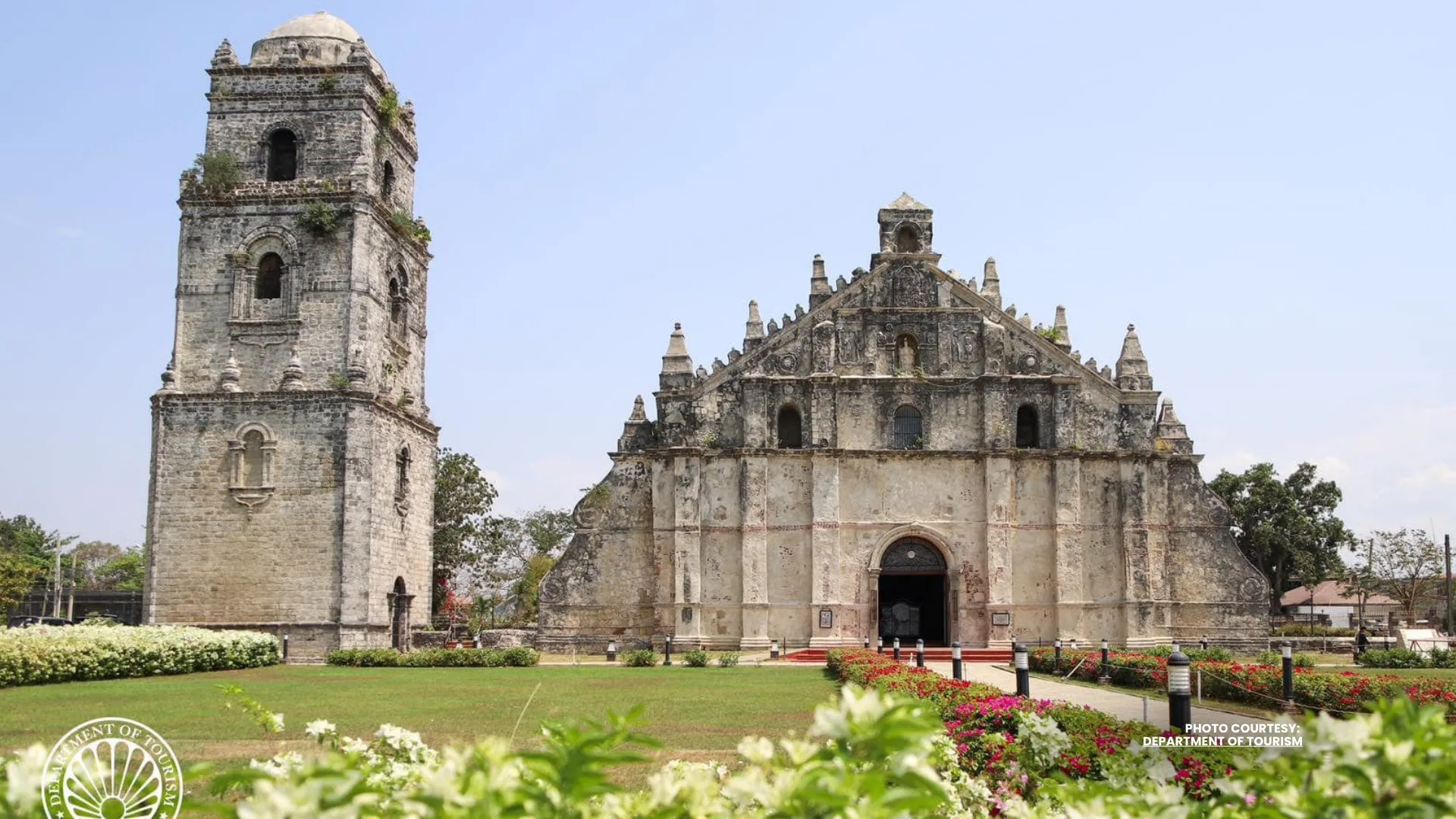
A proposed measure in the Senate seeks to strengthen the protection and conservation of the Philippines’ cultural and historical landmarks by enhancing incentives and tightening safeguards under existing heritage laws.
The bill amends provisions of Republic Act No. 10066 or the National Cultural Heritage Act of 2009, with the goal of addressing long-standing challenges in heritage preservation such as limited funding, weak institutional support, disaster vulnerability, and low public awareness.
Senator Mark Villar said that while the current legal framework recognizes the importance of protecting cultural assets, more practical and accessible incentives are needed to ensure their long-term upkeep and sustainability.
A key feature of the measure is the classification of cultural properties into three tiers based on their historical and cultural significance. Grade I covers the most important sites, including world heritage sites, national cultural treasures, and officially recognized landmarks and monuments. Grade II includes other significant assets such as works of National Artists and traditional artisans, archaeological materials, and structures that are at least 50 years old. A third category allows local governments to identify and support heritage properties within their jurisdictions.
To encourage preservation, the bill proposes a range of fiscal incentives. These include tax exemptions on property transfers such as estate, capital gains, and documentary stamp taxes, as well as relief from real property taxes for qualified heritage sites. It also allows owners of high-value cultural properties to claim restoration and maintenance costs as tax credits.
For properties under the third classification, local government units would be authorized to grant additional tax incentives through local ordinances, a move seen as a way to boost community participation in heritage conservation.
The proposal also strengthens enforcement by imposing heavier penalties for the unauthorized destruction, alteration, or misuse of protected cultural properties, reinforcing the State’s role in safeguarding the country’s historical legacy.
The legislator emphasized that preserving heritage sites goes beyond honoring the past, noting that it also plays a role in shaping national identity and supporting tourism and local economies. He expressed hope that the bill will gain swift approval to ensure stronger protection for the country’s cultural treasures for future generations.