
Heard it before? This time the leaks are actually worth your attention.
Every year, Apple launches a new iPhone. In the same manner, the internet spends the six months before launch treating supply-chain leaks as classified state documents. By the time Tim Cook walks onstage in September, half the audience already knows the color options, the chip architecture, and which feature will be described as “revolutionary” despite Samsung accidentally inventing it in 2019.
This is the part of the tech calendar where we all collectively pretend that supply-chain whispers from Taiwanese component manufacturers count as journalism.
This time, however, the speculations are genuinely intriguing. Not “slightly bigger battery” news or “the bezels are 0.2 millimeters thinner” exciting. Not even “the camera bump now resembles modern sculpture” different. Actually interesting.
The Fruit Company might actually be done playing it safe.
The iPhone 18 Pro, expected in September 2026, feels less like a routine upgrade and more like the phone Apple builds when it wants to remind everyone why it charges that much for a rectangle.
At the heart of this reset is the camera. Multiple reports claim that the iCompany is testing a variable aperture system for the iPhone 18 Pro’s main 48-megapixel camera — a sentence that sounds deeply normal until you realize iPhones have spent the last decade pretending software could replace physics. A variable aperture lens physically adjusts the amount of light entering the sensor, similar to how DSLR cameras work. In theory, this could allow future iPhones to produce more natural depth-of-field, better low-light performance, and less dependence on computational tricks that occasionally make people’s hair look AI-generated.
For once, the hardware may start reclaiming some of the work software has been faking for years.
Samsung experimented with variable aperture years ago before quietly abandoning it, likely because moving mechanical parts inside a paper-thin smartphone is the engineering equivalent of building a luxury watch inside a grilled cheese sandwich. Apple, however, appears determined to figure it out properly… or at least expensively.
That ambition may come with a tradeoff modern smartphone marketing teams fear more than death itself: thickness.
Several leaks suggest the iPhone 18 Pro could become slightly thicker and heavier to accommodate upgraded camera hardware, larger batteries, and improved cooling systems. Which, honestly, might be the best development in the entire leak cycle. For years, smartphone companies have treated shaving half a millimeter off a phone’s body as a humanitarian achievement while users carried power banks the size of portable defibrillators.
The iPhone being slightly thicker in exchange for better battery life and thermals would represent an astonishing act of emotional growth.
Then there’s the A20 Pro chip, expected to become Apple’s first processor manufactured using TSMC’s 2-nanometer process. Which sounds fake until you remember modern chips are essentially microscopic cities powered by electricity and capitalism.
In practical terms, it means more performance, less heat, and significantly better power efficiency.
That matters because the company is clearly preparing the iPhone for a future where AI tasks happen directly on-device instead of constantly relying on the cloud. Reports pointing to up to 12GB of RAM on the Pro lineup further support the idea that future iPhones may function less as smartphones and more as pocket-sized neural engines that also happen to let you text your friends.
Will most people use that power to generate emails and remove strangers from vacation photos? Absolutely. But the infrastructure shift itself is important.
The Dynamic Island situation, meanwhile, is classic pre-launch chaos.
Early leaks confidently claimed the iPhone 18 Pro would feature fully under-display Face ID, finally eliminating the floating black pill that currently sits at the top of the screen — an extremely expensive digital barnacle. More recent reports have walked that back, suggesting only some Face ID components will move beneath the display, resulting in a smaller Dynamic Island rather than its complete disappearance.
So the Island may not be gone. Just… slightly less present. More subdued. Slightly self-aware.
Connectivity may end up becoming the sleeper feature of the entire lineup.
The C2 modem is expected to expand the company’s in-house wireless ambitions beyond emergency satellite SOS into limited satellite-based messaging and internet functionality. If Apple actually pulls off meaningful satellite connectivity on a mainstream smartphone, it would quietly become one of the biggest practical upgrades in years, especially for travelers, remote workers, hikers, or anyone whose mobile signal mysteriously disappears inside grocery stores.
Then there’s the broader industry speculation floating around Silicon Valley that Apple may split future iPhone launches into tiers, with Pro models and foldables arriving separately from standard iPhones. At first glance, that sounds minor. It’s not.
The Pro lineup would stop being merely “the expensive one.” It would become the company’s true experimental platform, the place where advanced cameras, AI features, custom silicon, and weird ambitious hardware ideas arrive first.
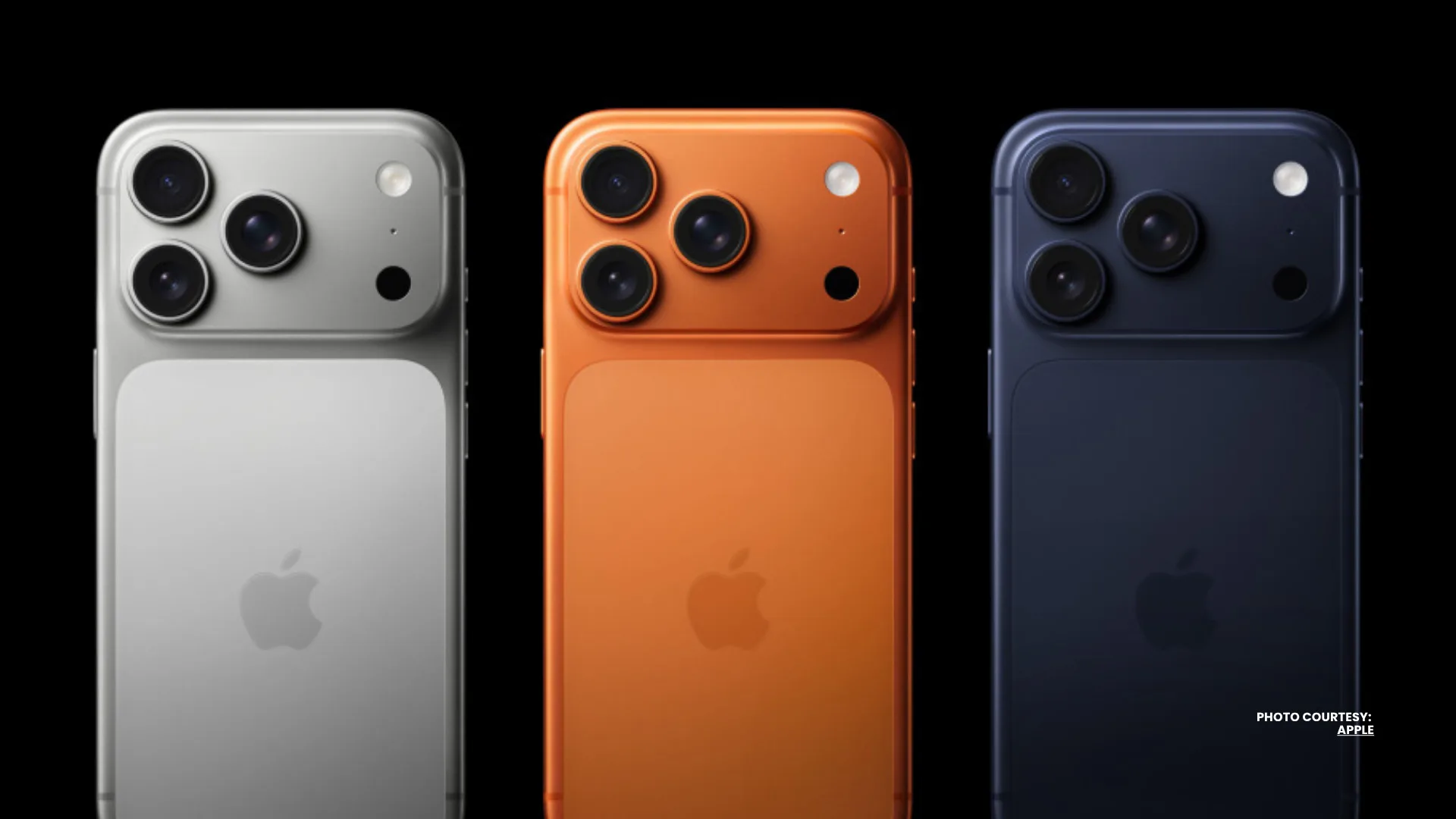
Even the leaked color palette seems part of that shift. Reports suggest Apple may introduce a darker “Dark Cherry” finish alongside silver and dark gray tones, replacing some of the brighter recent colors. Which is fitting, because nothing screams “professional-grade AI-powered satellite photography machine” more than a phone color named after what sounds like a luxury wine.
Of course, none of this is officially confirmed. Apple will almost certainly reveal the iPhone 18 Pro in September with cinematic lighting, dramatic pauses, and at least one sentence containing the phrase “our most advanced iPhone ever made,” which is technically true every single year.
And yes, plenty of this could still change before September.
But taken together, they paint a surprisingly coherent picture. The iPhone 18 Pro doesn’t merely sound faster, thinner, or shinier. It sounds as though Apple is slowly rebuilding the iPhone around a different set of priorities: AI processing, advanced optics, battery realism, satellite connectivity, and hardware that’s finally allowed to prioritize capability over thinness.
Which, for the first time in a while, makes the future iPhone cycle feel less like annual maintenance and more a genuine tech evolution.