
Involuntary hunger among beneficiaries of the government’s Walang Gutom Program (WGP) dropped to 26.9 percent in the second quarter of the year, down 6.7 percentage points from 33.6 percent in the first quarter, based on a commissioned Social Weather Stations (SWS) survey.
Department of Social Welfare and Development (DSWD) Secretary Rex Gatchalian presented the survey results on Thursday at Malacañang alongside Palace Press Officer Claire Castro, SWS Vice President Gerardo Sandoval, Research Fellow Dr. Roehlano Briones and Globe Telecom Chief Sustainability Officer Maria Yolanda Crisanto.
The SWS survey, conducted from June 22 to July 1 among 2,400 adult respondents and WGP beneficiaries, showed that 89.3 percent of program recipients experienced food insecurity, a 4.7 percentage point drop from 94 percent in March. The proportion of beneficiaries reporting as “food poor” also eased to 77.6 percent from 79 percent.
In contrast, non-WGP respondents experienced worsening conditions in key areas. While non-beneficiary hunger declined slightly to 36.9 percent from 39.3 percent, their food insecurity rate rose to 96.5 percent (up from 95.9 percent) and the proportion of food poor individuals increased to 85.7 percent (up from 84.4 percent).
“This SWS finding reflects our strong commitment in realizing the vision of the President and an adamant indicator that fewer Filipino families goes to sleep hungry,” Gatchalian said.
Institutionalized in 2024 through Executive Order No. 44, the WGP serves as the administration’s primary anti-hunger mechanism. Qualified households receive P3,000 in non-cashable monthly food credits via Electronic Benefit Transfer (EBT) cards to purchase nutritious food from accredited merchants. In return, beneficiaries must attend Kalusugan, Kakayahan at Kabuhayan (3K) skills development sessions.
Gatchalian noted that around 600,000 food-poor families are currently enrolled, with coverage expected to reach 750,000 within the year.
Addressing economic pressures from inflation and global supply disruptions, Gatchalian disclosed that the DSWD worked with the Asian Development Bank (ADB) to evaluate potential credit increases to P3,500, P5,000 or P8,000. However, preliminary findings showed that higher credit amounts did not necessarily improve food security, as households frequently reallocated additional funds toward non-food expenses like transportation and schooling.
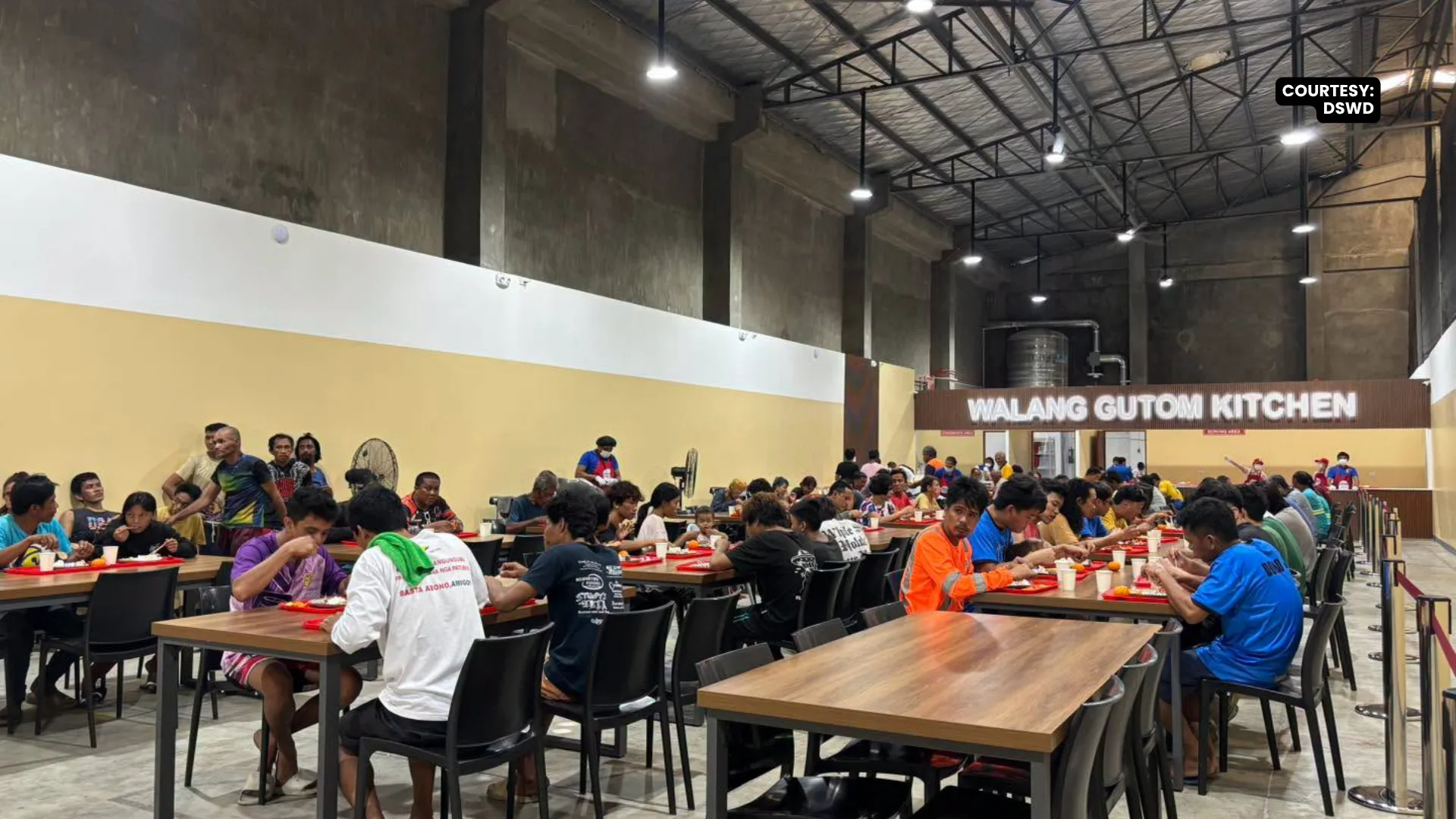
To complement the EBT initiative, the DSWD plans to expand its free meal services. Gatchalian confirmed that the agency aims to scale its “Walang Gutom Kitchens,” which provide free breakfast and lunch, from three operating facilities to six by the end of the year, with a target of 12 by next year.