
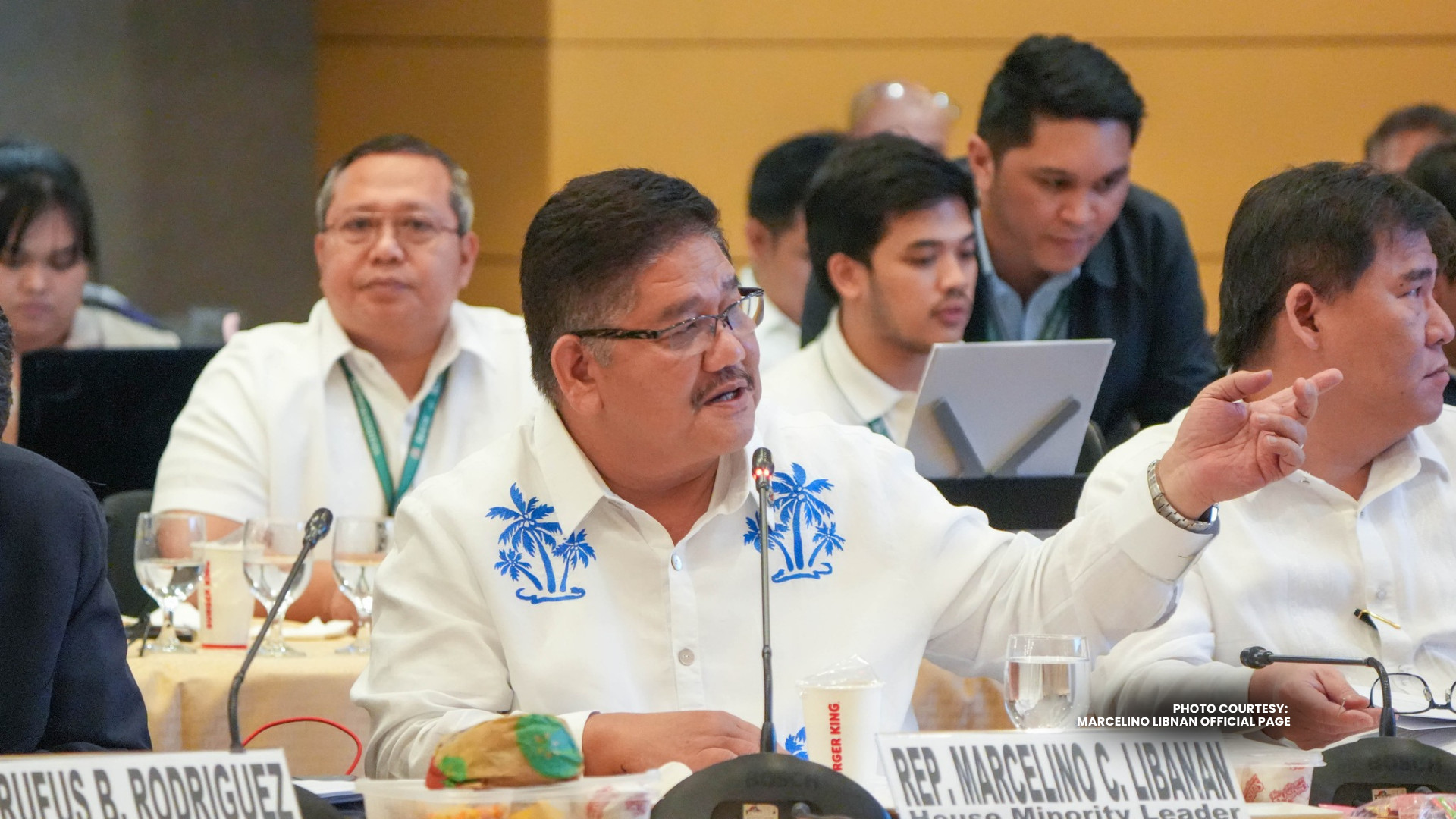
House Minority Leader and 4Ps party-list Rep. Marcelino “Nonoy” Libanan is seeking a congressional inquiry into the government’s campaign against schistosomiasis, or “snail fever,” citing its continued prevalence in poor farming and fishing communities in Visayas and Mindanao.
The solon, together with Eastern Samar Rep. Christopher Sheen Gonzales, filed House Resolution No. 1059 calling for an investigation in aid of legislation into the implementation of the Department of Health’s (DOH) Schistosomiasis Control and Elimination Program (SCEP).
He said the disease remains a long-standing public health burden in vulnerable rural areas, particularly among subsistence farmers, fisherfolk, and their families.
“Schistosomiasis is one of those diseases that has remained neglected largely because it disproportionately strikes the poorest and most vulnerable Filipinos,” he said.
He added that exposure to contaminated freshwater in endemic communities remains unavoidable for many residents whose livelihoods depend on farming and fishing.
The resolution noted that schistosomiasis remains endemic in at least 28 provinces, particularly in parts of Eastern Visayas, Caraga, and Northern Mindanao.
Caused by the parasite Schistosoma japonicum, the disease is transmitted through freshwater contaminated by infected snails and can lead to chronic abdominal pain, anemia, organ damage, and stunted growth in children.
The lawmaker said the persistence of transmission despite years of government intervention raises questions on the effectiveness of existing control measures.
The DOH program includes mass drug administration, snail control, sanitation initiatives, surveillance, and health education campaigns, but lawmakers said gaps remain in coverage, compliance, and coordination.
The resolution also cited challenges in eradication due to animal reservoirs, including carabaos, cattle, and dogs, which can sustain transmission cycles.
Libanan said the proposed inquiry aims to identify policy and implementation gaps and determine whether stronger interventions and funding are needed.
“No Filipino family should continue suffering from a disease that is both preventable and treatable,” he said.