
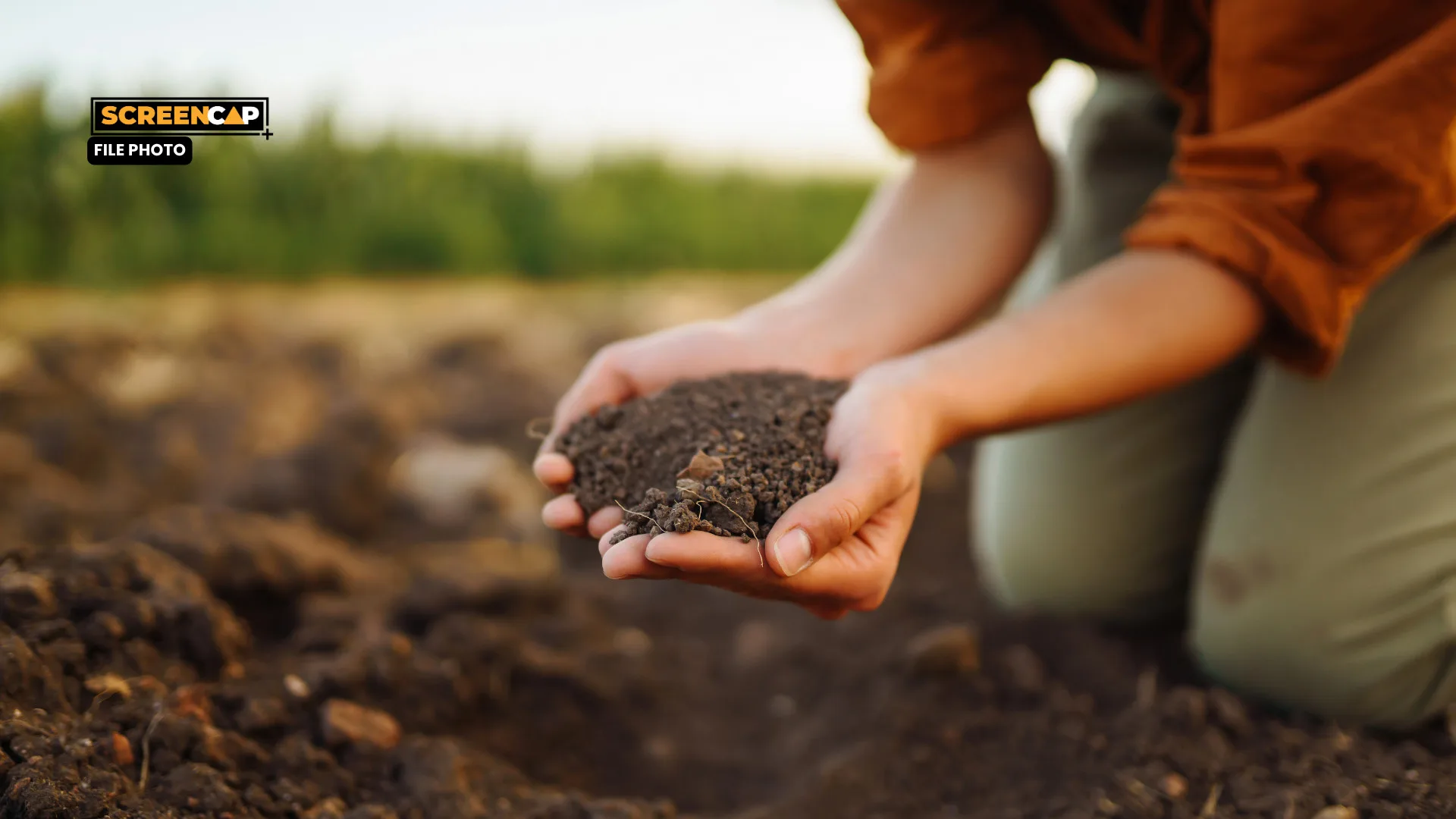
The House Committee on Agriculture and Food has initiated work on a science-based roadmap aimed at improving soil health in selected agricultural provinces, as policymakers seek to address long-term threats to farm productivity and food security.
The initiative was developed during a two-day workshop held on June 23 and 24, which gathered government agencies, scientists, local government units, farmers’ groups, academics, and development partners to identify key challenges in soil and land management and craft evidence-based interventions.
Committee vice chairperson Agusan del Sur Rep. Eddiebong Plaza, who led the workshop, said soil health must be treated as a central pillar of agricultural development amid worsening concerns over declining soil fertility, rising production costs, climate change impacts, and erratic weather patterns.
“This reality has inspired my advocacy to place soil health at the center of agricultural development and policymaking,” Plaza said, stressing the need for solutions grounded in science, innovation, and evidence-based research.
He said the roadmap aims to translate scientific findings into concrete policies, programs, and investments designed to improve soil quality, increase farm yields, strengthen climate resilience, and support rural livelihoods.
The initiative also aligns with efforts of House leadership under Speaker Faustino “Bojie” Dy III to advance agricultural modernization through science-based approaches to land and soil management.
According to lawmakers, the proposed framework will also help local government units develop province-specific soil health strategies, with the possibility of integrating these into a broader national policy through legislation or executive action.
Once implemented, the roadmap is expected to guide interventions that enhance productivity, lower production costs, and improve farmers’ resilience to climate-related risks.
The workshop was supported by the Department of Science and Technology–Philippine Council for Agriculture, Aquatic and Natural Resources Research and Development (DOST-PCAARRD) and the Australian Centre for International Agricultural Research (ACIAR).