
Lampara Books returns to the canon and proves that what Filipino children read today shapes who they become tomorrow
Every culture keeps a short list of stories it refuses to let die. Stories that travel from grandmother to grandchild, from classroom blackboard to dog-eared paperback, from one generation’s imagination to the next.
In the Philippines, Ibong Adarna is one of them. Florante at Laura is another. Lola Basyang, that tireless, warm-voiced teller of tales, has never really stopped speaking, but has simply been waiting for someone to transcribe her again.
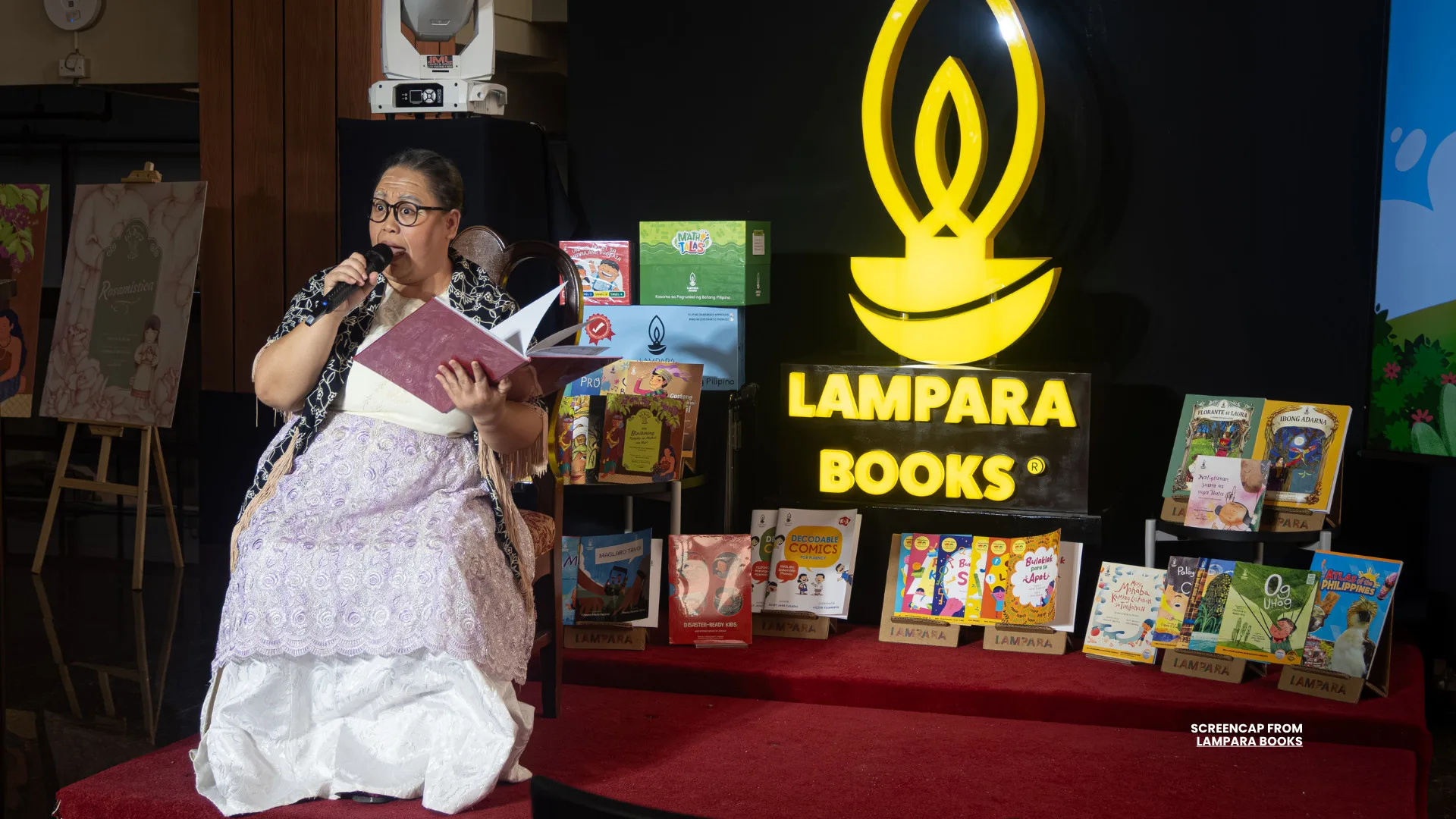
This May, Lampara Books did exactly that. In a National Heritage Month launch, the publisher unveiled a collection of new literary editions, folk story retellings, and educational series, a body of work that asks an old question with fresh urgency: what does it mean to hand something down?
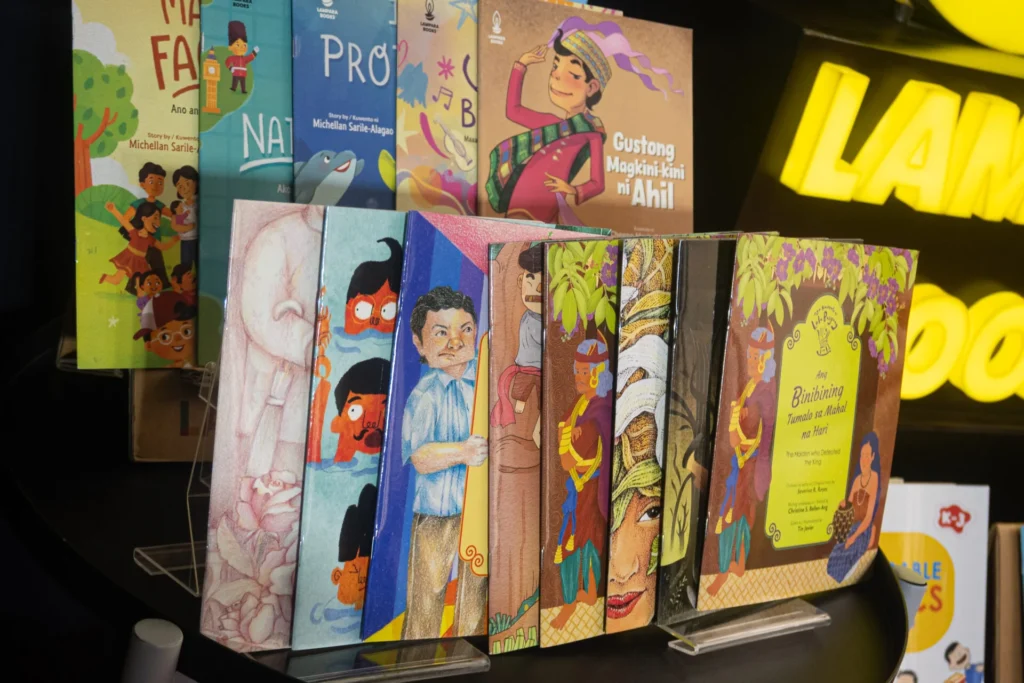
The launch placed Filipino children’s literature at the center of heritage preservation, not only as classroom material but as cultural memory passed on through reading. The lineup includes Filipino classics, modern retellings, and educational titles designed for children, parents, and teachers.
The new Ibong Adarna, edited by scholar and children’s literature advocate Eugene Y. Evasco, is built for readers who are still finding their footing: chapter summaries to orient, vocabulary guides to decode, and comprehension prompts to encourage deeper thinking. Cover art by Arnaldo Mirasol and interior illustrations by Randy Valiente complete a volume designed to make the classic more accessible to today’s learners.
Meanwhile, Florante at Laura takes on a harder task. Francisco Baltazar’s verse epic is dense with historical allusion and archaic Tagalog, the kind of text that has intimidated generations of students into skimming. The new edition works alongside the original rather than replacing it, using annotations, glossaries, and discussion guides, with illustrations by Rowin Agarao, to help readers understand the work while preserving its historical and linguistic character.
Of all the titles in the collection, the newest Mga Kuwento ni Lola Basyang carries the most emotional weight. Severino Reyes created the character more than a century ago, and yet she endures, a storyteller who became a fixture of Filipino imagination not because her stories were simple, but because they were true in the way good stories often are: morally honest, generous with wonder, and quietly wise about how people behave when the stakes are real.
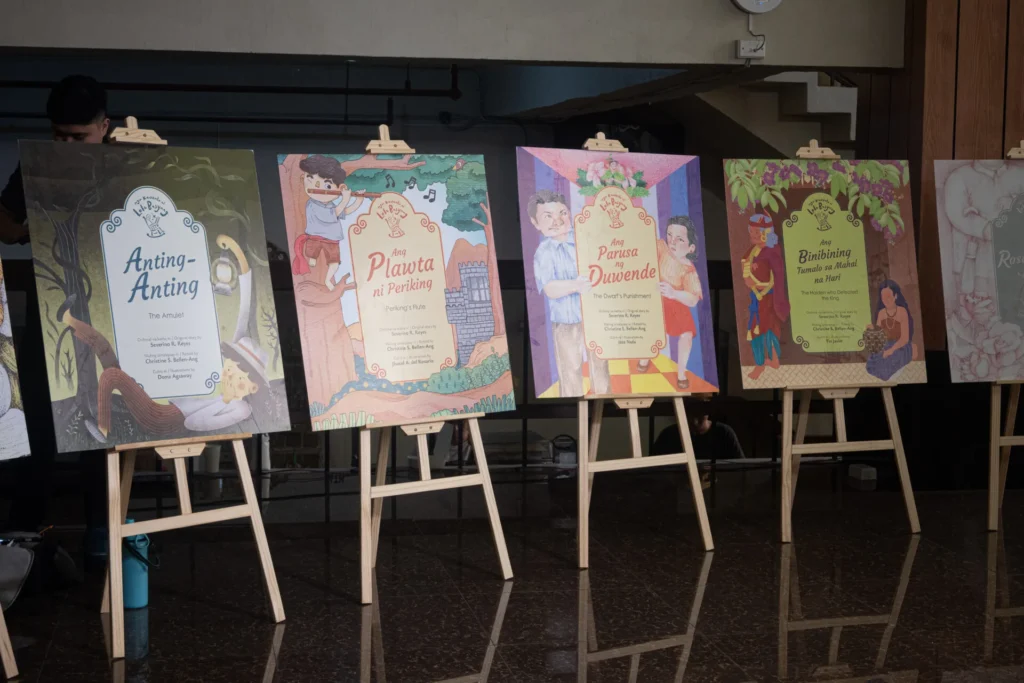
Award-winning writer Christine S. Bellen-Ang takes on the retelling, alongside a roster of Filipino illustrators who bring each tale its own visual world. Retelling is not rewriting. The best retellers know they are serving the original, finding the nerve beneath the surface that made it survive this long, and protecting it. From what was on display at the launch, Bellen-Ang understands this completely.
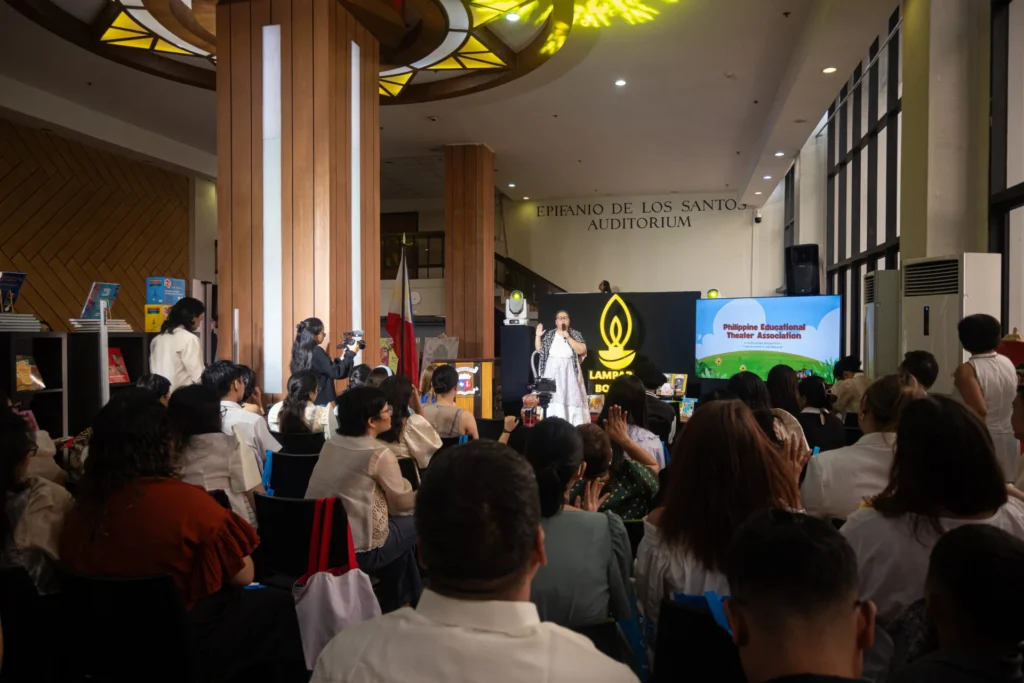
“These stories have long occupied a cherished place in Filipino childhood. Through these new editions, we hope to preserve their legacy while allowing a new generation of readers to discover the beauty, wisdom, and humanity found within Filipino storytelling traditions,” said Segundo D. Matias Jr., founder of Lampara Books and Precious Pages Corporation.
Beyond the classics, Lampara Books also introduced educational titles that respond to present learning needs.
Among them is the Decodable Comics for Fluency series in Filipino and English, which uses systematic phonics and the Marungko Approach to help beginning readers develop foundational literacy skills. Written by Daisy Jane Calado, coordinated by Victor A. Villanueva, and illustrated by Rowin Agarao, the series combines comics-style storytelling with workbook exercises that support comprehension and language development.
The launch also included the Kids Have Rights! series by Michellan Sarile-Alagao, illustrated by Kim Santiago, which introduces children to their basic rights through accessible stories.
The Sari-Sari Books series by Genaro R. Gojo Cruz, illustrated by Domz Agsaway, focuses on diversity, inclusivity, and self-expression, helping young readers better understand individuality and social awareness.
Lampara Books also expanded its safety and preparedness titles with the Disaster Ready-Kids series by Zarah C. Gagatiga, illustrated by Juno Abreu, which teaches practical disaster preparedness to children. Another title, Kaligtasan Para sa mga Bata by Mark Norman Boquiren, promotes public safety awareness among young Filipino readers.
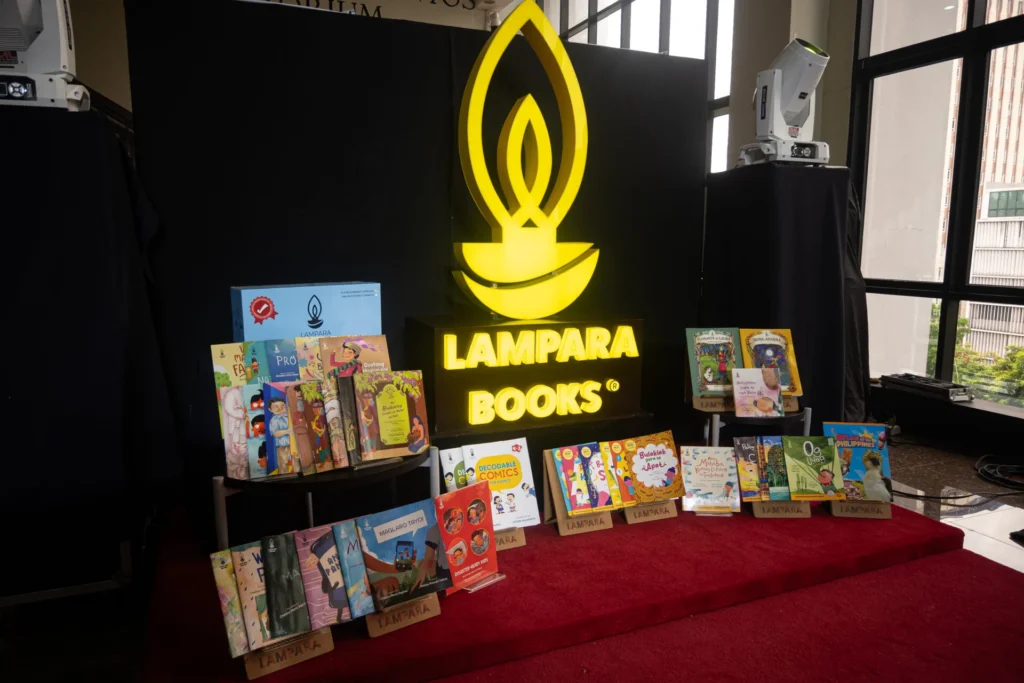
Taken together, the Heritage Month collection frames reading as more than a school requirement. It presents children’s books as a way to preserve culture, strengthen literacy, build imagination, and prepare young Filipinos to understand the values and stories that continue to shape national identity.
At a time when children encounter stories across screens, classrooms, homes, and bookshelves, Lampara Books’ latest collection makes a clear case for why Filipino classics still matter. Heritage is not only something displayed during May. It is something children learn to carry, one story at a time.