
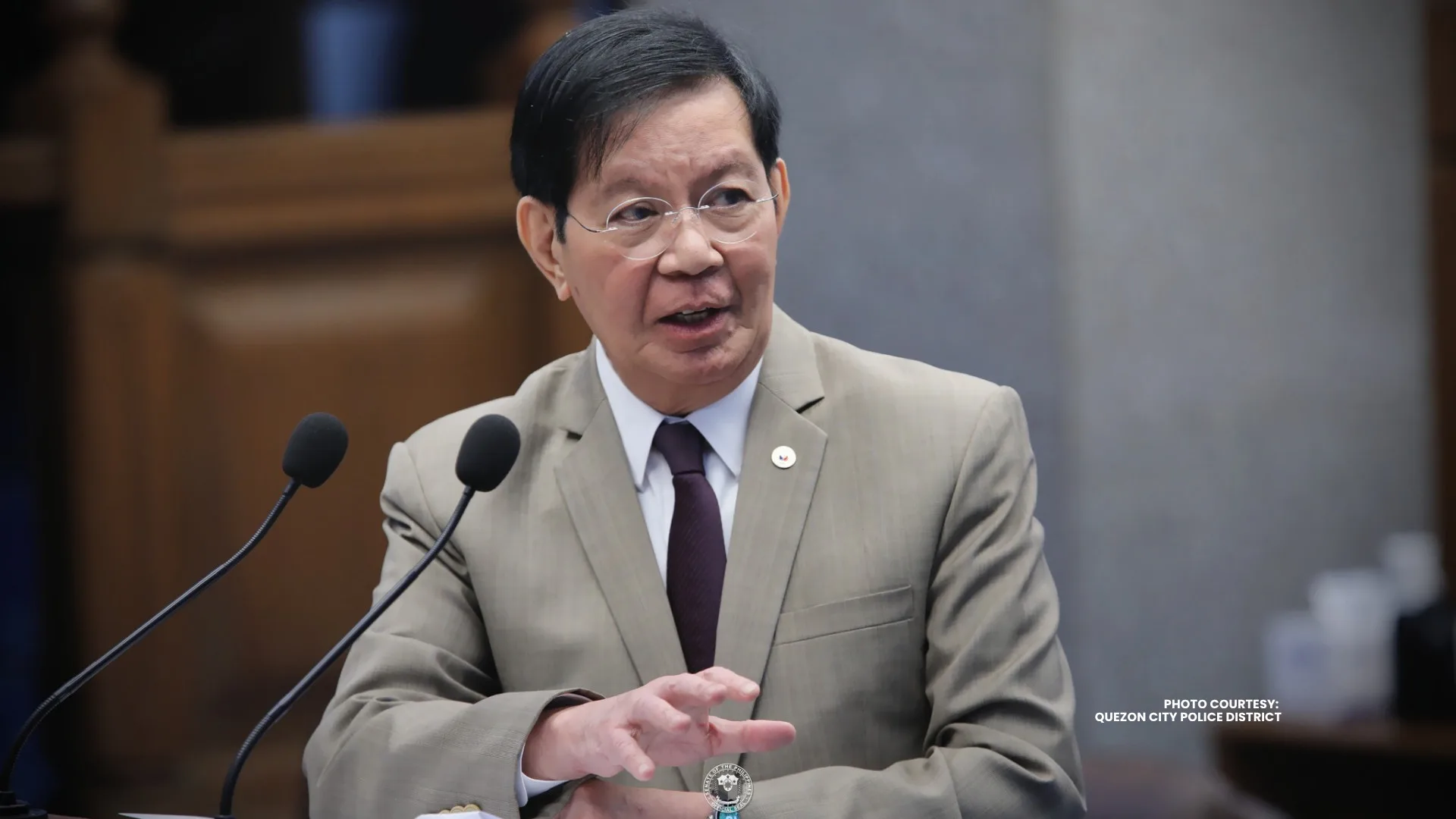
The Philippine government’s debt burden has effectively increased by around P300 billion following the depreciation of the peso against the US dollar, according to Senate President Pro Tempore Panfilo Lacson.
Speaking at a media forum, Lacson said the peso’s decline from around P58 to US$1 before tensions escalated in the Middle East to roughly P61 to US$1 has significantly raised the peso value of the country’s foreign-denominated debt.
He explained that about 30 percent of the Philippines’ total P18-trillion national debt comes from foreign borrowings, most of which are dollar-denominated. The remaining 70 percent consists of domestic debt.
With roughly P6 trillion tied to foreign loans, even modest movements in the exchange rate can substantially increase liabilities once converted into pesos.
Lacson said the estimated P300-billion increase reflects the impact of currency depreciation alone, even without additional government borrowing.
The senator raised the issue while discussing the ongoing construction of the New Senate Building in Taguig City, a project under the oversight of the Senate Committee on Accounts, which he chairs.
He suggested that project managers consider pacing construction activities amid rising costs linked to higher fuel prices and exchange rate fluctuations, both of which continue to affect material prices and overall project expenses.
Originally estimated at P8.9 billion when proposed in 2018, the cost of the New Senate Building has since climbed to between P31.6 billion and P33.07 billion, driven largely by inflation and higher input costs.
Lacson said waiting for more favorable economic conditions, such as lower oil prices or a stronger peso, could help temper further increases in construction expenses.
His remarks underscore how global developments, particularly geopolitical tensions, continue to affect domestic economic conditions through currency movements that impact government debt and large-scale infrastructure projects.