
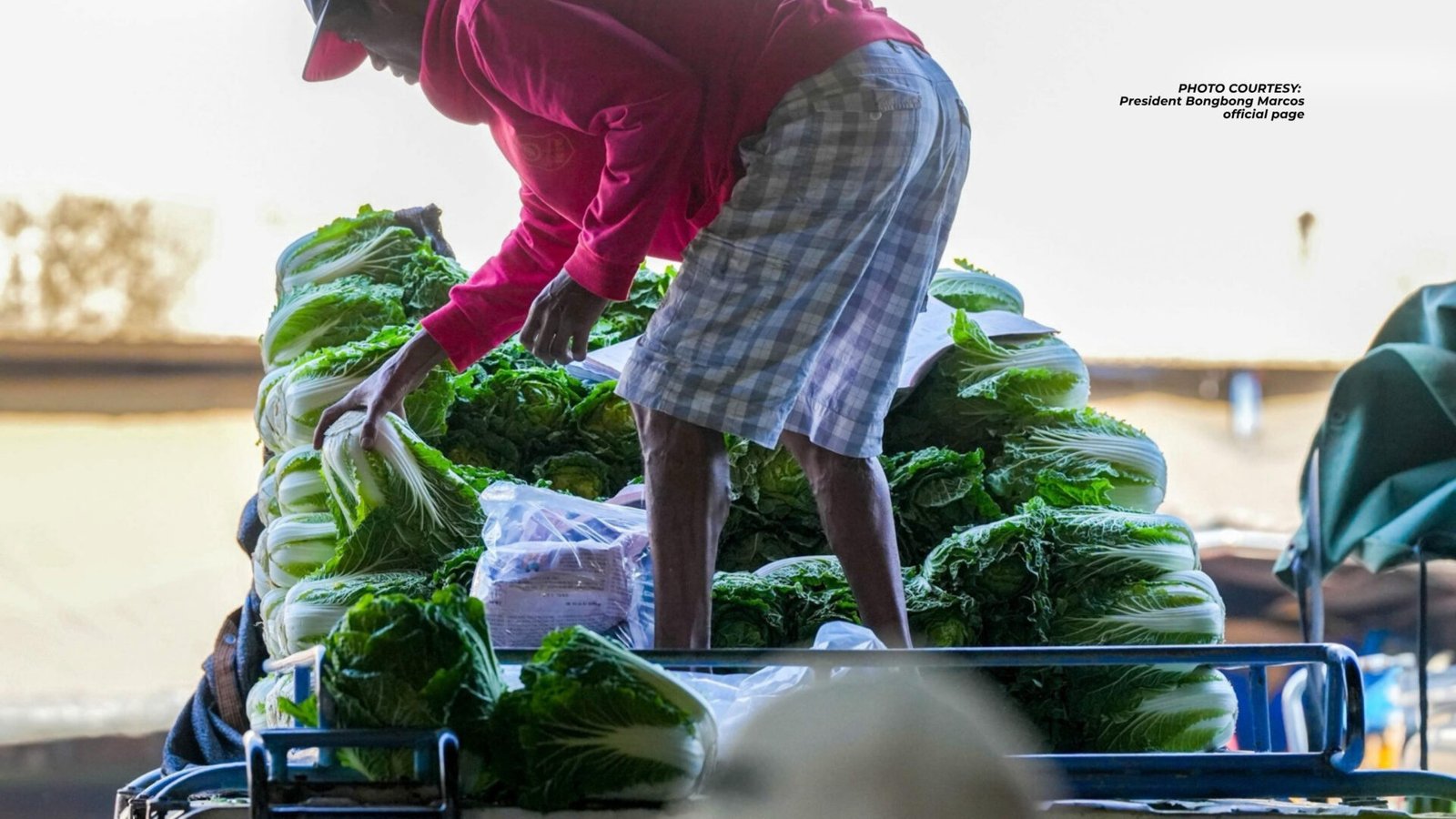
Malacañang has widened toll and port fee exemptions for food shipments to speed up deliveries and ease rising transport costs, as high fuel prices continue to pressure the country’s food supply chain.
Executive Secretary Ralph Recto called on agencies and local governments to ensure smooth implementation, stressing that “this begins with the speedy accreditation of farmers and traders who are qualified for the toll fee waiver.” He also urged authorities to remove unnecessary roadblocks, saying “unnecessary and unreasonable stopping and inspection of food trucks… should also stop because it delays travel and wastes fuel.”
With the summer harvest underway, Recto underscored the urgency of moving perishable goods faster and at lower cost, noting that “the challenge is to reduce the time and the cost a produce lands in the market.” He said the toll and port fee relief forms part of a broader package that includes fuel subsidies and expanded food convoy operations led by the Department of Agriculture.
Currently, more than 1,100 trucks under the Food Lane Program can deliver up to 7 million kilos of produce daily, with the government encouraging more transporters to sign up. Officials estimate logistics add as much as Php 5 to Php 7 per kilo to retail prices, which the new measures aim to reduce.
The toll-free access on major expressways, rolled out with the Department of Transportation and the Toll Regulatory Board, took effect April 20, alongside exemptions from Metro Manila truck bans for vehicles carrying food and fuel.
Meanwhile, the Philippine Ports Authority cut roll-on/roll-off terminal fees for agricultural cargo to just Php 1 for six months, while the Maritime Industry Authority reduced regulatory fees by up to 75 percent for a year to help shipping operators cope with high fuel costs.
“Inter-island ang biyahe ng pagkain. Kaya lahat ng nasa supply chain… dapat matulungan,” Recto said, emphasizing the need to support every link in the food distribution network.