
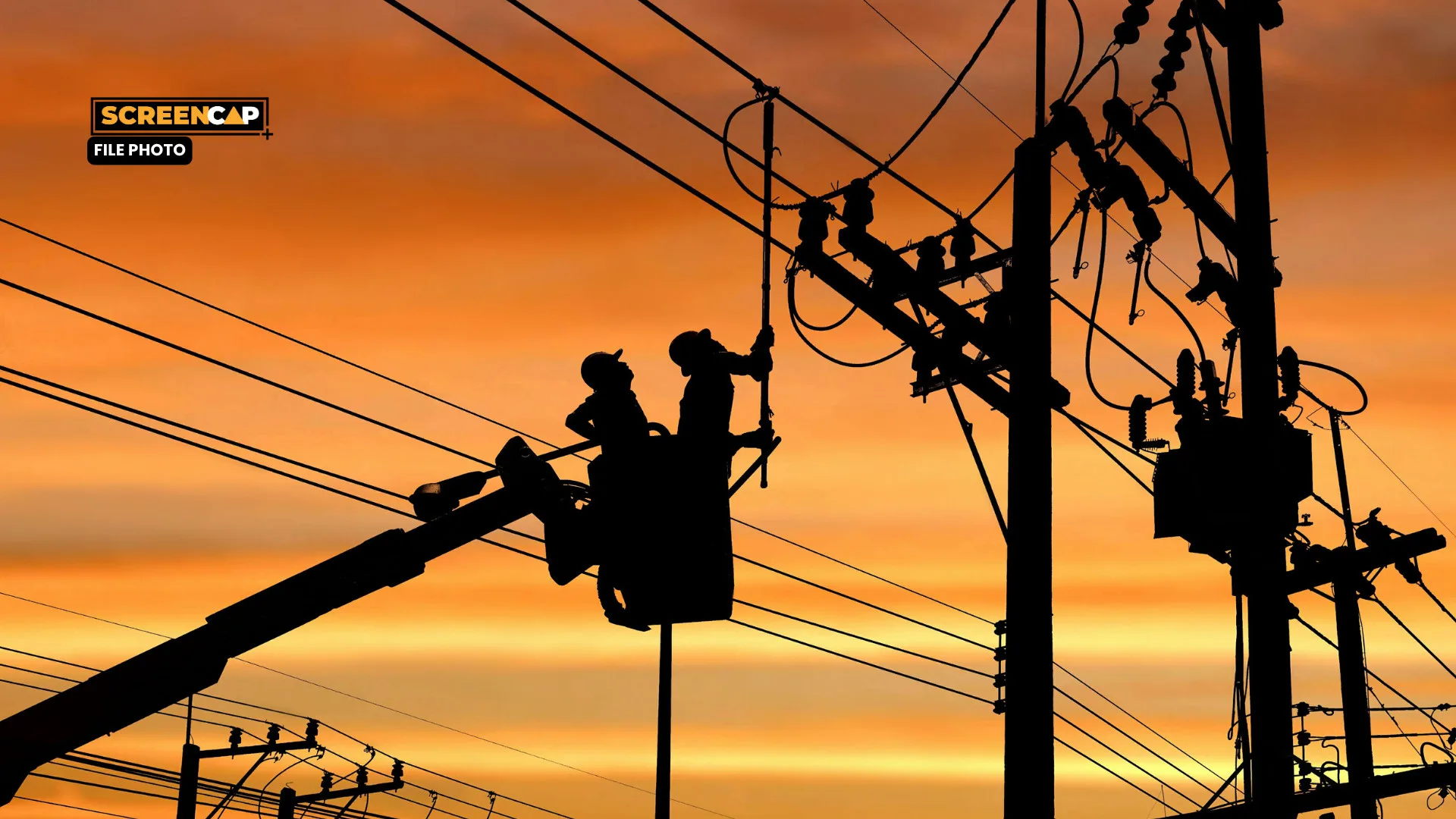
Globe Telecom is proposing the creation of a national utility resiliency plan to address barriers that delay the restoration of critical services during disasters.
The Ayala-led telco said the framework would establish clear protocols for government agencies, local government units, utilities, and telecommunications operators to coordinate efforts and help communities regain access to essential services more quickly.
Globe raised the proposal during the GSMA Policy Principles for Mobile Network Resilience discussion recently held in New Delhi, India. The company urged the GSMA to advocate for comprehensive utility resiliency plans among governments as severe weather events and natural disasters put increasing pressure on critical infrastructure.
“When disaster strikes, connectivity becomes a lifeline. People need it to reach their families, receive emergency information, call for help, and coordinate relief efforts,” Froilan Castelo, Globe general counsel said.
“Restoring telecommunications should therefore happen alongside power and other essential utilities, supported by a national framework that allows government and industry to move quickly and work together,” Castelo also said.
Under the proposed plan, telecommunications restoration teams could be given priority access to government transportation and logistics resources when roads and other infrastructure are damaged or inaccessible. Military and police personnel could provide appropriate support in reaching critical facilities, while local permitting requirements for emergency repairs could be temporarily streamlined to prevent delays.
Telecommunications networks depend on other critical infrastructure to operate, including commercial power, fuel, transportation, and secure physical access to network facilities. This means restoration can be delayed even when operators have teams, generators, and equipment ready for deployment.
“We can build stronger networks, prepare our teams, and position resources ahead of severe weather, but there are dependencies that no telecommunications operator can address alone,” Castelo said.
“If power is unavailable, roads are impassable, or our teams cannot reach affected facilities, restoration becomes more difficult. A national plan can help remove these bottlenecks when every hour of connectivity matters,” Castelo also said.
Globe continues to invest in strengthening network resilience through backup power, network redundancy, disaster preparedness, and the prepositioning of personnel and equipment in high-risk areas. In the first half of 2026, Globe invested P26.3 billion in capital expenditures, with about 91 percent directed toward data-related requirements to strengthen and expand its network.
The company is also using Starlink satellite-to-mobile technology as an additional layer of connectivity when terrestrial infrastructure is unavailable or damaged. During the June 2026 Mindanao earthquake, Globe deployed the technology for the first time in a disaster response, helping provide coverage for affected communities in General Santos and Sarangani.
Globe said a national resiliency framework should also consider appropriate incentives for additional investments required to make critical telecommunications infrastructure more resilient. Stronger structural standards, additional backup systems, and greater network redundancy carry significant costs, making a supportive policy environment important to sustaining resilience investments while operators continue expanding and improving their networks.
“Network resilience cannot be the responsibility of telecommunications operators alone,” Castelo said. “When power, transportation, telecommunications, and other essential services recover together, communities recover faster. Resilience has to be planned as a national system, not utility by utility,” Castelo also said.