
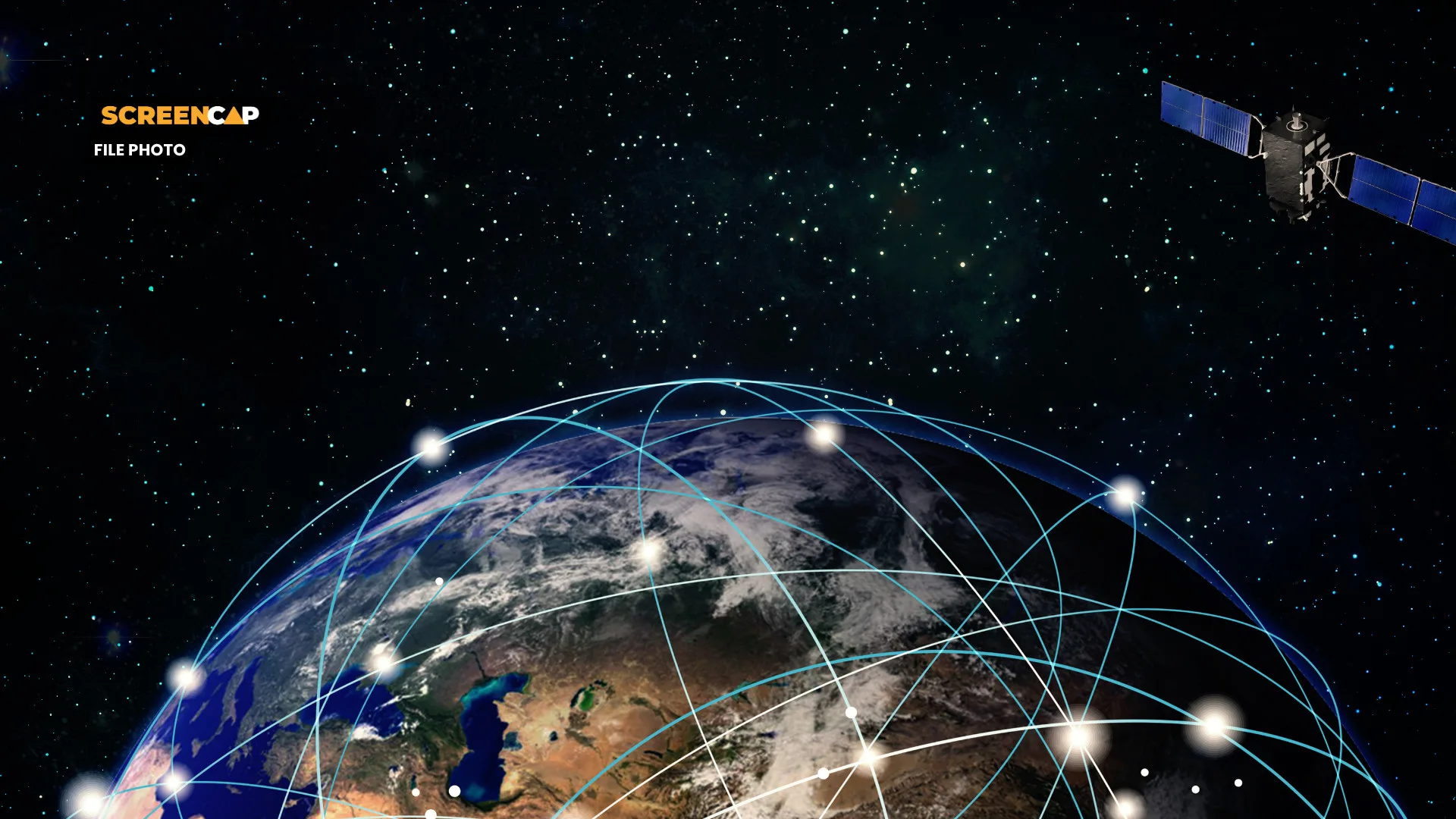
Globe Telecom Inc. has secured approval from the National Telecommunications Commission to commercially operate Starlink-powered satellite-to-mobile services nationwide, allowing users to access messaging, voice, and video services in areas beyond the reach of traditional cell towers.
The approval allows Globe to use Starlink’s low-Earth orbit satellite network to support mobile connectivity, particularly in remote, underserved, and disaster-hit communities where terrestrial networks may be unavailable or disrupted.
The NTC permit, signed by Commissioner Ella Blanca Lopez, was granted in line with the government’s push to advance digital inclusion and help bridge connectivity gaps across the country.
“Given the NTC’s approval for commercial launch, Globe can now extend its reach beyond traditional towers, ensuring that even in the most remote or disaster-stricken areas, Filipinos remain connected,” Globe President and Chief Executive Officer Carl Cruz said.
“This milestone reinforces our commitment to uplift lives, support businesses, and keep the nation connected,” he added.
Globe said the service will function like a “cell tower in space,” allowing mobile devices to connect directly to satellites for SMS, light data, and access to essential communications apps when regular networks are unavailable.
The company said the technology is designed to serve as a backup communications lifeline during emergencies, power outages, and natural disasters, helping users reach loved ones, receive critical updates, and coordinate relief efforts.
Globe said the service was recently deployed in South Cotabato, Sultan Kudarat, and Sarangani following a powerful earthquake, marking its first official disaster-response use case in the Philippines.
The deployment supported emergency communications in hard-hit areas and benefited more than 150,000 customers, according to the company.
Globe said the nationwide rollout reinforces its disaster-resilience and digital-inclusion efforts by helping ensure that basic connectivity remains available even in communities with limited or damaged telecommunications infrastructure.