
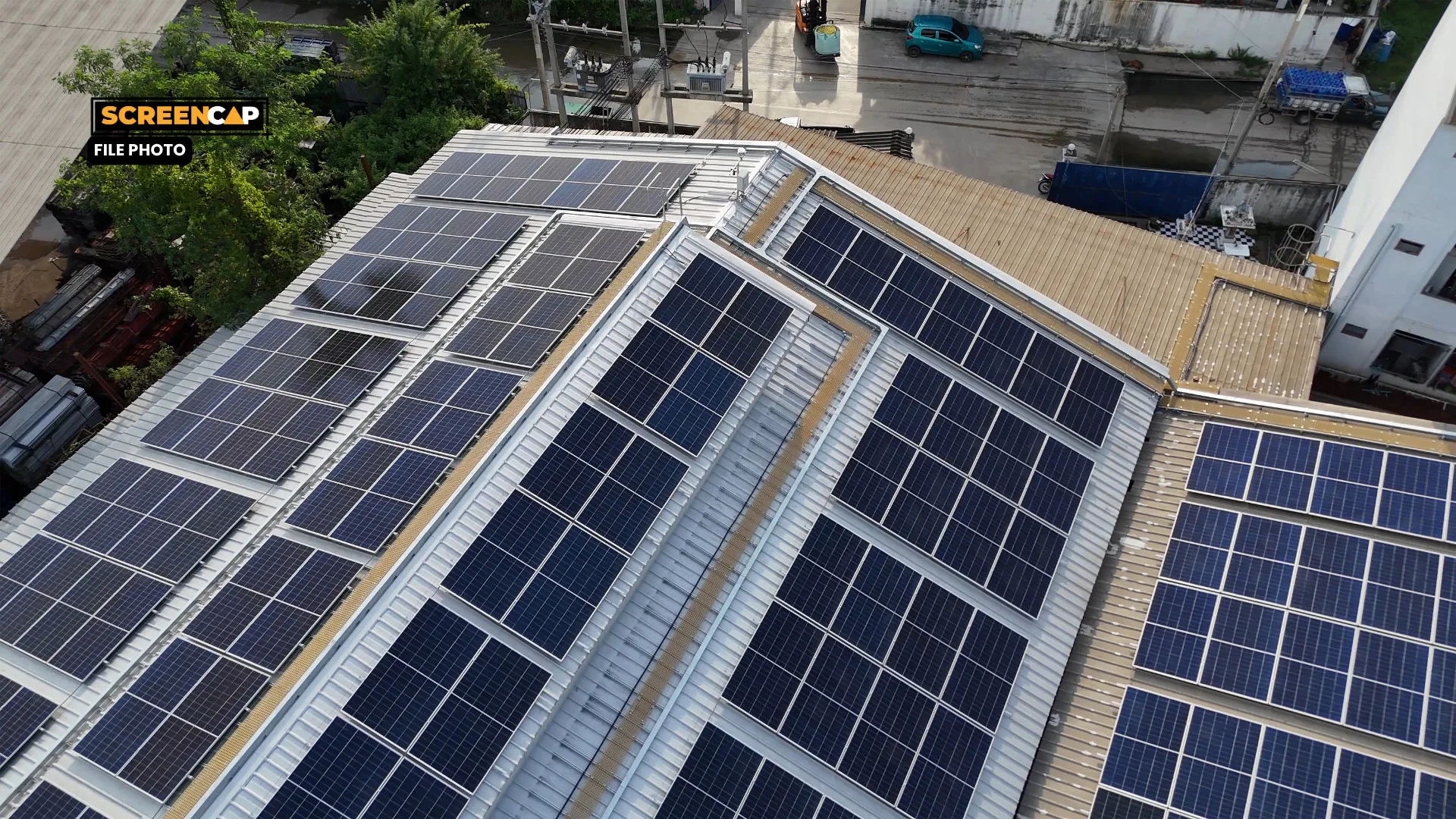
The Department of Energy has expanded its solar energy program for public buildings, with 15 local government units in Metro Manila now participating in an initiative to lower electricity costs and promote clean energy use in government facilities.
The DOE said the expanded participation falls under its Solar Solutions for Government: Energy Efficiency and Renewable Energy in Public Buildings initiative, or SSG-ERPB.
The latest LGUs to join the program are Caloocan, Las Piñas, Malabon, Muntinlupa, Parañaque, and the Municipality of Pateros, which recently signed a Memorandum of Agreement with the DOE.
They joined Mandaluyong, Manila, Navotas, Pasay, Pasig, Quezon City, San Juan, Taguig, and Valenzuela, which entered the partnership in November 2025.
Under the agreement, participating LGUs will implement energy-efficiency and renewable-energy measures in government buildings. These include energy-efficient retrofits, rooftop solar photovoltaic systems, and other energy-saving initiatives aligned with Republic Act No. 11285, or the Energy Efficiency and Conservation Act.
Energy Secretary Sharon S. Garin said the program will help local governments reduce electricity expenses and redirect savings to essential public services, including healthcare, education, and social programs.
Garin also described solar energy as a practical tool for improving the resilience of public facilities and making government operations more efficient.
To support the initiative, the DOE, together with the Department of the Interior and Local Government and the Department of Public Works and Highways, recently issued a Joint Memorandum Circular streamlining net-metering applications.
The circular sets standardized requirements and defined processing timelines to make rooftop solar installations in government facilities faster and more efficient.
The DOE said it will continue to provide technical assistance to participating LGUs in identifying, evaluating, and implementing viable solar and energy-efficiency projects.
The agency said the program is expected to encourage greater investment in clean energy technologies while serving as a model for other local governments seeking to strengthen energy security, fiscal sustainability, and climate resilience.