
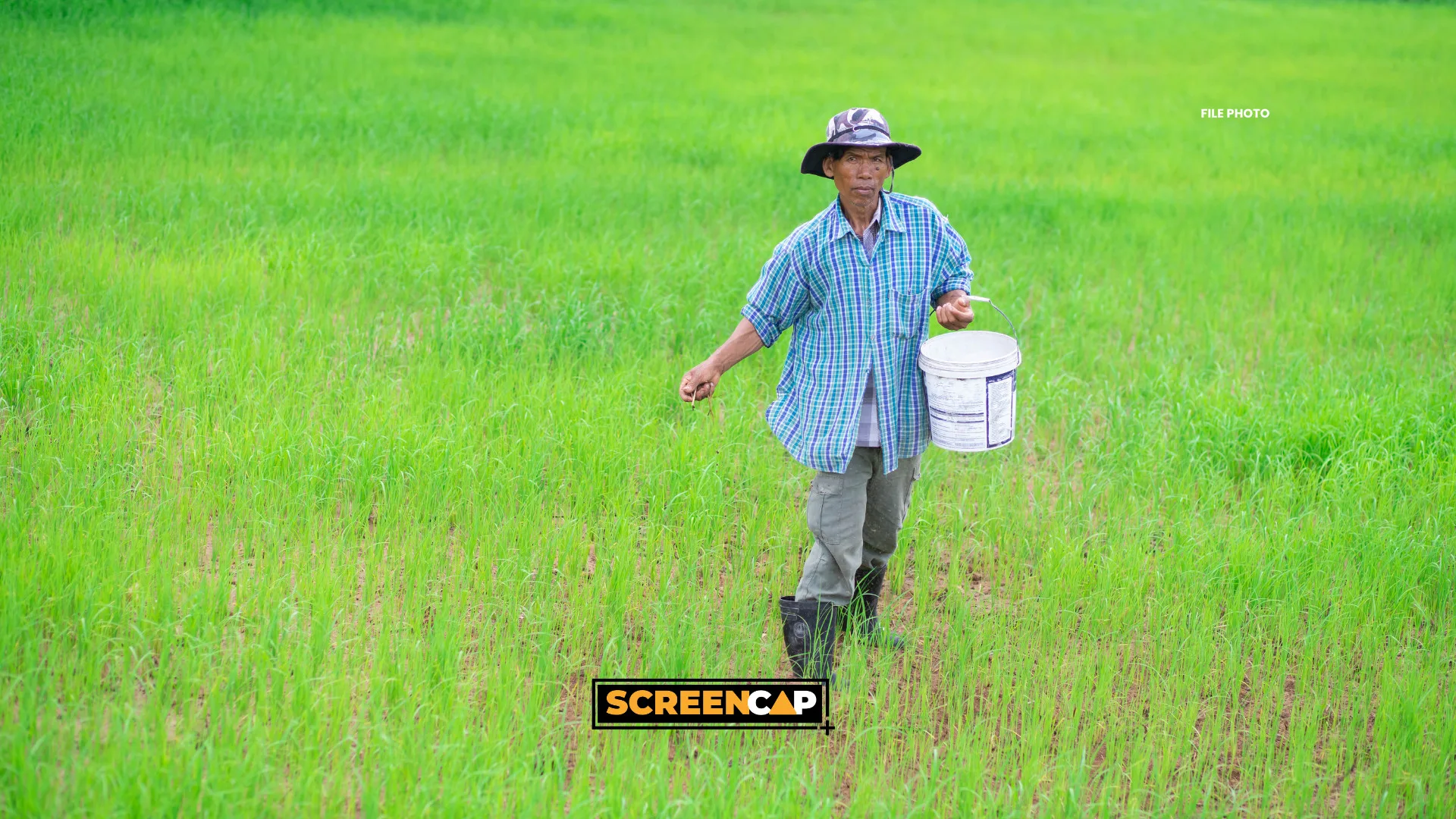
The Department of Energy (DOE) and the Department of Agriculture (DA) are studying a possible collaboration to tap the country’s indigenous coal resources for domestic fertilizer production, a move aimed at strengthening local supply chains and supporting national food security.
In a statement, the DOE said discussions during a recent coordination meeting centered on possible measures to support the development of a coal-to-urea processing facility in the country. The talks included the need to assess suitable coal resources and identify potential areas for future development.
Urea is one of the most widely used nitrogen-based fertilizers in agriculture. Developing a local production facility could help ease the country’s dependence on imported fertilizer, which remains vulnerable to global price swings, supply disruptions and foreign exchange pressures.
According to the DOE, the proposed initiative would explore how indigenous coal, including lower-grade coal resources, may be used as feedstock or support material for fertilizer production. The agency said this could help stabilize fertilizer supply while creating opportunities for local industries and employment.
“The DOE also highlighted the potential of utilizing lower-grade coal to help stabilize fertilizer supply, reduce import dependence, and support local industries and employment,” the agency said.
The discussions form part of broader interagency efforts to maximize the value of the Philippines’ domestic energy resources beyond conventional power generation. By linking energy resource development with agriculture, the government is looking at ways to address both energy and food security concerns.
The DOE said the possible coal-to-urea project remains at the exploratory stage, with further studies needed to determine the viability of coal resources, appropriate technology, investment requirements and possible development sites.
Still, the agency emphasized that the initiative reflects the government’s push to improve resilience in critical sectors, particularly agriculture, where fertilizer costs directly affect farmers’ productivity and food prices.
“The DOE remains committed to supporting interagency initiatives that maximize the value of the country’s indigenous energy resources while contributing to long-term energy and food security,” the department said.
The proposed collaboration with the DA is expected to focus on how local energy resources can help support domestic fertilizer production, reduce reliance on foreign supply, and provide a more stable input base for Filipino farmers.