
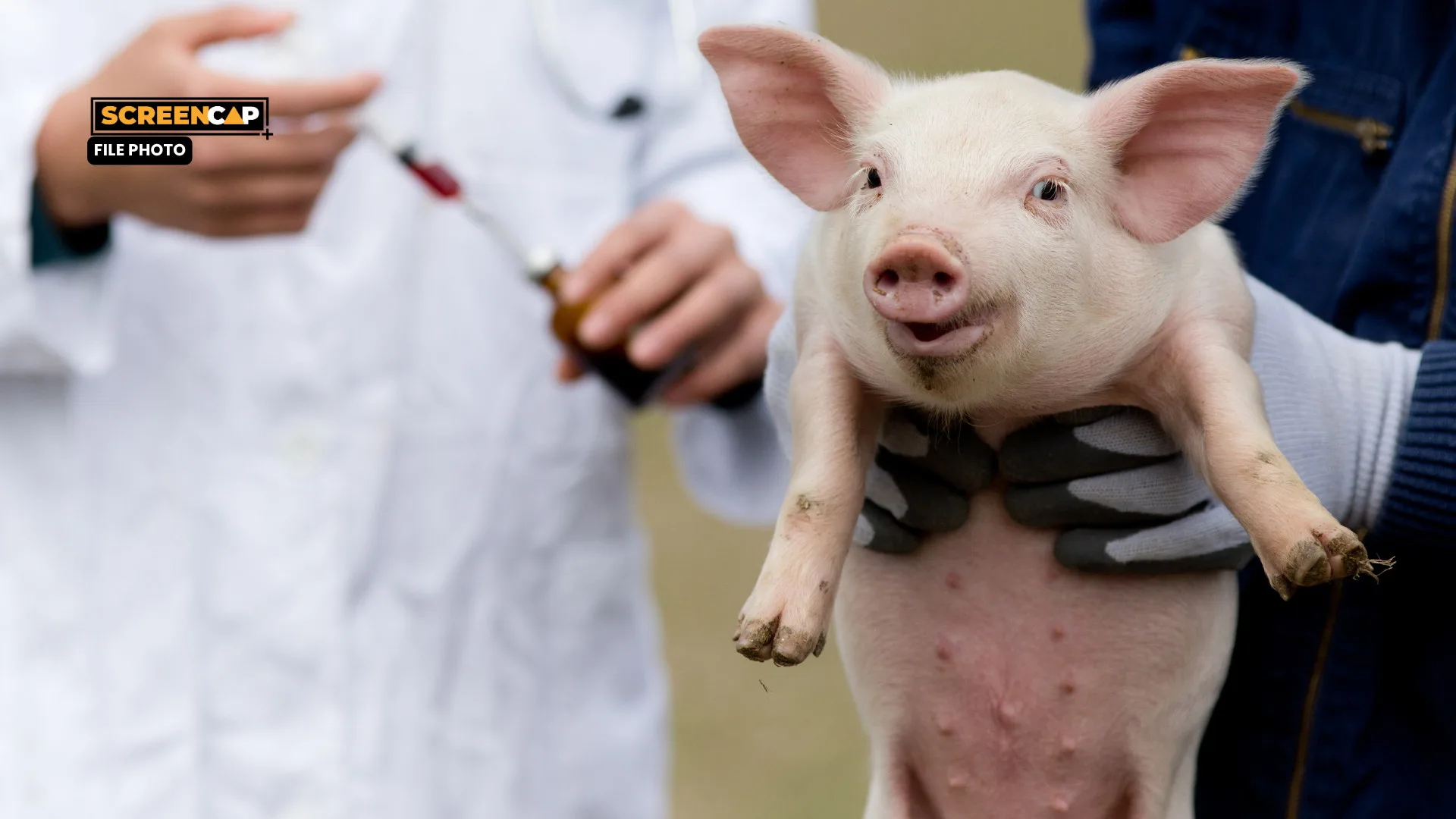
Abra Rep. JB Bernos said the Department of Agriculture’s Animal Vaccine Development Program could help lower vaccine costs, improve disease response, and strengthen the country’s livestock and food security systems.
Bernos said the program is a critical step toward reducing the Philippines’ dependence on imported animal vaccines, especially for diseases that continue to threaten local livestock production.
“Our ability to develop our own animal vaccines could mean easier and greater access to cheaper vaccines that could possibly be more effective at battling local pathogen strains,” Bernos said in a statement.
The DA launched the program with the DA-National Livestock Program, the Bureau of Animal Industry, the Philippine Carabao Center, and Central Luzon State University.
Under the initiative, a Biosafety Level 3 facility will be established to support the safe handling of high-risk animal pathogens and speed up vaccine development.
The laboratory will also support advanced research, technical training, and disease preparedness efforts, with initial work focused on vaccine candidates for African swine fever and foot-and-mouth disease.
According to the DA, the program has a total funding of P140.9 million over three years, including P77.6 million for 2026, P30.6 million for 2027, and P32.7 million for 2028.
Bernos, a member of the House committee on agriculture and food, said local vaccine development would help ensure a more stable and affordable vaccine supply for livestock raisers.
“Local vaccines will be cheaper, tailored to area-specific strains, and ensure that our supply is stable even amid global shortages,” the lawmaker said.
“I also believe that we have enough brilliant scientists who are more than capable of developing the vaccines that we need. Kailangan lamang natin silang bigyan ng sapat na suporta,” he added.