
As El Niño threatens to strain food supply and push up prices, a senior legislator is pressing for the creation of a national agricultural information system that would give government real-time data to protect both farmers and consumers.
Senate President Pro Tempore Win Gatchalian said accurate and timely information on the supply and demand of basic commodities is crucial during weather disturbances, when gaps in production and distribution can be exploited to manipulate prices.
“To prevent price manipulation that drives up food costs during weather disturbances such as El Niño, we need an agricultural information system that provides accurate data on key commodities and helps farmers secure fair value for their produce,” Gatchalian said.
The senator is the author of Senate Bill No. 1653, or the proposed Agriculture Information System Act, which seeks to establish an online database managed by the Department of Agriculture.
Under the proposal, the system would gather real-time information on agricultural and fisheries commodities, including production data from farmers in every barangay. The database is intended to help the government track supply levels, assess market needs, and craft faster interventions during disruptions.
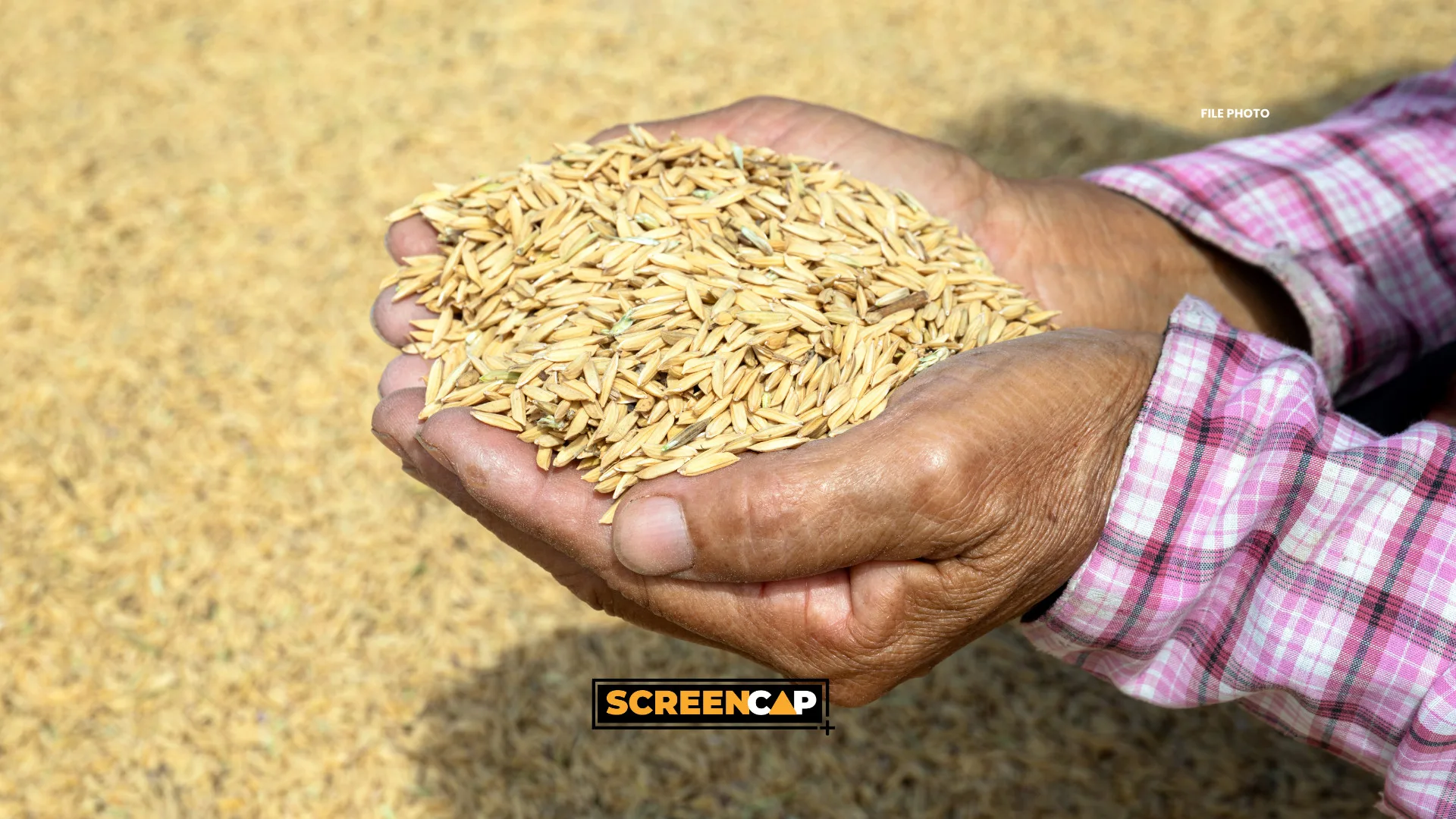
The solon cited rice as a critical example, noting that the Department of Agriculture has warned that a severe El Niño could cut local rice output by as much as 700,000 metric tons. Such a drop, he said, could force the country to rely more heavily on imports and further weaken local production.
He said the proposed system would help the government make better decisions on production support, logistics, import planning, and market monitoring.
“Ang AIS ay magbibigay ng kailangang impormasyon para mapalakas ang farm production sa bansa para makamit natin ang food security at mapigilan ang pagtaas ng presyo ng mga pangunahing pagkain,” the senator emphasized.
Beyond monitoring supply, he said the measure would also help farmers get fair value for their harvest by improving access to market information and reducing their vulnerability to middlemen and price manipulation.
He noted that the country cannot afford to respond to food supply problems only after prices have already surged, especially during extreme weather events that directly affect crop yields and fisheries production.
For Gatchalian, a reliable agricultural information system would allow the government to shift from reactive crisis response to data-driven planning, an approach he said, is necessary as climate-related disruptions become more frequent and food security becomes a more urgent national concern.