
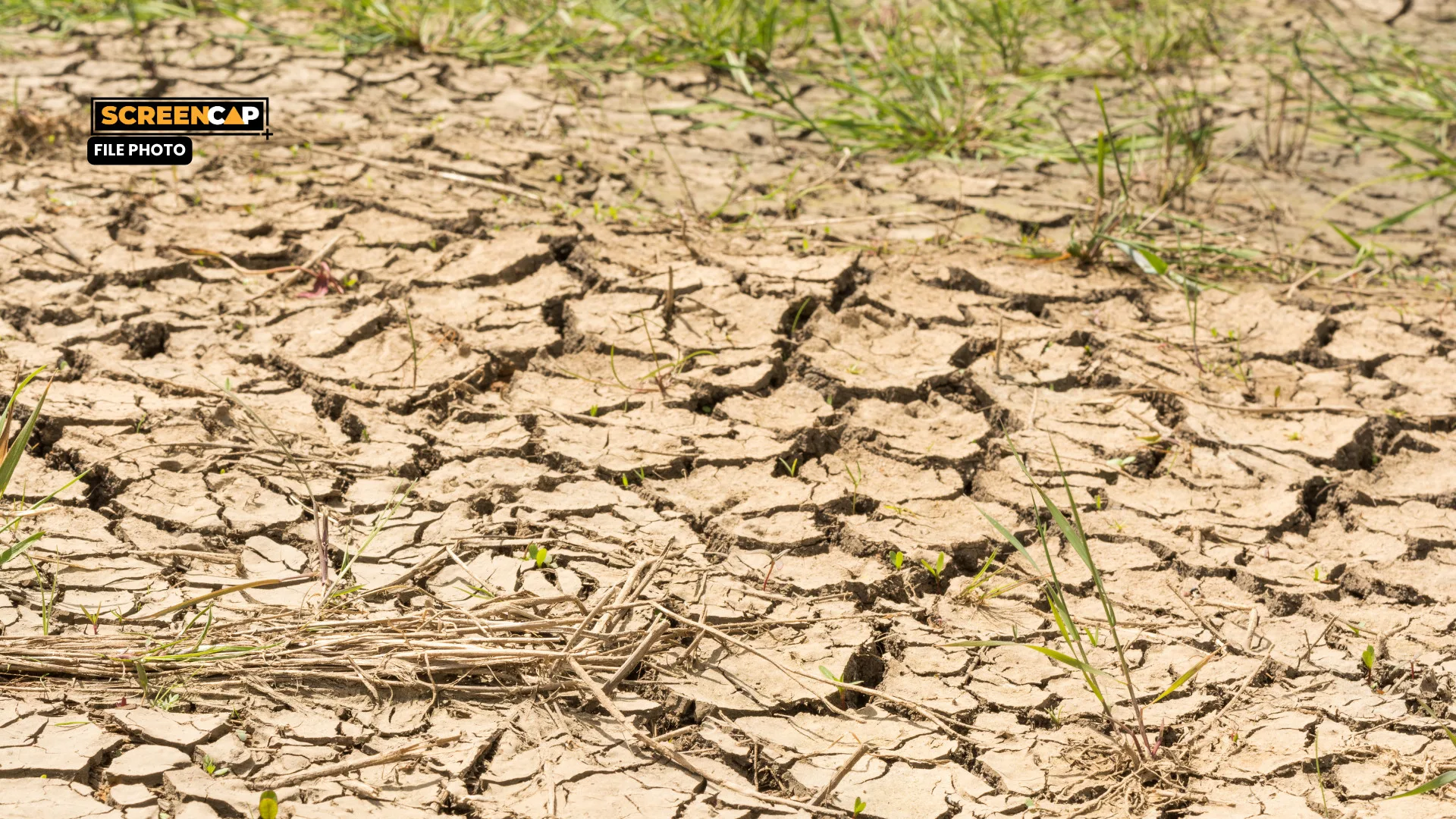
Resource management strategies and public preparedness protocols face urgent pressure as severe drought conditions threaten utility reserves, prompting calls for coordinated conservation measures across vulnerable communities.
Manila Archbishop Jose Cardinal Advincula has directed all parishes and communities under the Archdiocese of Manila to pray for rain amid the threat of a strong El Niño that could bring prolonged drought and water shortages.
In a circular released Thursday, Advincula instructed churches to include the Oratio Imperata ad Petendam Pluviam (Prayer for Rain) in daily Eucharistic celebrations after the Post-Communion Prayer, starting Sunday, November 8, until further notice.
“As we implore the Lord to grant us the gift of rain, let us be reminded of the power of united prayer,” Advincula said.
He added that the common prayer should also strengthen solidarity with communities that may be severely affected by drought.
“May this common supplication also strengthen our solidarity with the poor and vulnerable communities who may be especially affected by the consequences of drought,” Advincula also said.
Advincula also encouraged priests, catechists, religious educators and others involved in faith formation to use the occasion to deepen the faithful’s understanding of their responsibility to protect the environment.
“Let us help our communities recognize that the natural world is not merely a resource to be consumed, but a precious gift entrusted by the Creator to our care and stewardship,” Advincula also said.
He stressed that water is essential to life and urged the public to practice conservation and responsible consumption.
“Let our prayers move us to concrete action,” Advincula also said, adding that caring for the environment is an essential expression of people’s love for God and their neighbors.
The Philippine Atmospheric, Geophysical and Astronomical Services Administration (PAGASA) said Wednesday that a “very strong” El Niño had formed in the tropical Pacific and was expected to peak by year-end, potentially worsening drought conditions.
PAGASA Climate Monitoring chief Ana Liza Solis said the effects of the phenomenon could persist until mid-2027.