
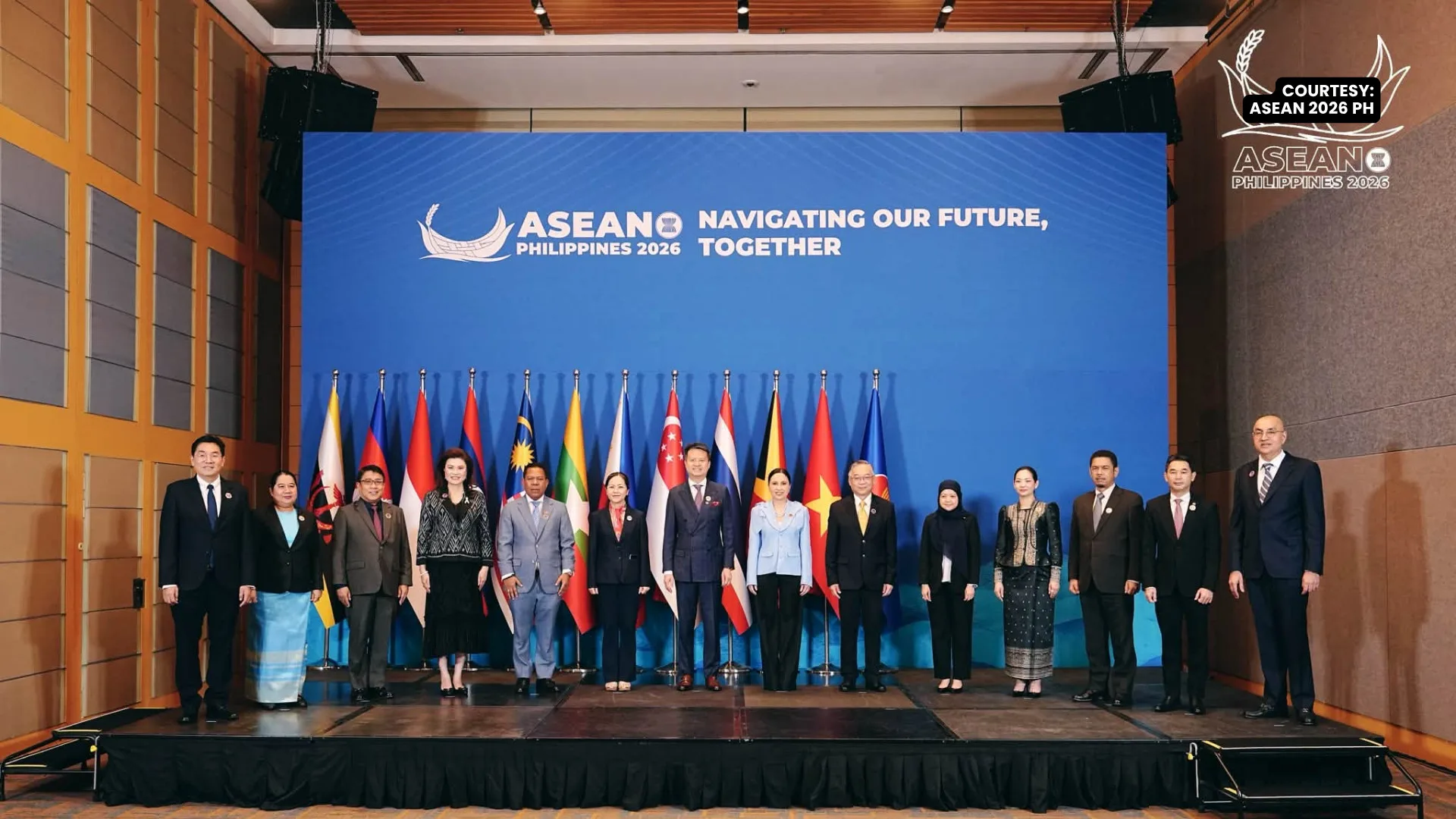
Nearly a decade after the Philippines introduced the concept of “inclusive business” to Southeast Asia, the region is preparing to celebrate standard-bearing enterprises that turn economic policy into lived reality. On September 22, eleven standout enterprises, one representing each ASEAN member state, will take center stage at the Ninth ASEAN Inclusive Business Forum in Pasay City. The honor celebrates business models designed to generate reliable livelihoods for traditionally marginalized groups, including women, persons with disabilities, smallholder farmers, and indigenous artisans.
Speaking at the International Media Center during the 58th ASEAN Economic Ministers’ Meeting, Trade and Industry Undersecretary Ceferino S. Rodolfo emphasized the regional shift from ambition to implementation.
“After nearly nine years of this work, the focus now is on a simple but important question: how do we turn these frameworks and commitments into concrete action?” Rodolfo said.
Proof in Numbers, Not Slogans
The upcoming forum highlights enterprises demonstrating that inclusive principles drive commercial success across diverse markets:
- Singapore: Specialty coffee brand Foreword Coffee maintains a workforce where roughly 70 percent of team members are persons with disabilities or individuals navigating mental health conditions, showing that intentional hiring supports scalable, multi-location retail operations.
- Cambodia: Agri-food pioneer Confirel partners with 130 palm-sugar farming families while planting a million cacao trees to secure long-term, diversified household income streams.
- Indonesia: Sustainable spice enterprise Agradaya collaborates with over 500 smallholders, more than 75 percent of whom are women, exporting local harvests to over five international markets.
- Timor-Leste: Natural products maker M2T converts local heritage and biodiversity into high-value consumer goods with strong market appeal.
- Philippines: Domestic honoree Kawayan Collective has supplied more than 95,000 treated bamboo poles for social housing projects, offering an eco-friendly, locally sourced alternative to imported building supplies.
Honorees from Brunei Darussalam, Laos, Malaysia, Myanmar, Thailand and Vietnam will also be celebrated during the ceremonies.
“Inclusive business is ultimately about creating meaningful opportunities for low-income communities, smallholder farmers, MSMEs, and other groups to participate in business value chains,” Rodolfo remarked, reaffirming the commitment to move ‘from policy frameworks to practical action.”
Turning Frameworks into Actionable Growth
Centered on the theme “Building Capacities for Inclusive Business,” this year’s forum commemorates the anniversary of the regional framework championed by the Philippines in 2017.
Jointly organized by the Department of Trade and Industry, the ASEAN Secretariat, the United Nations Economic and Social Commission for Asia and the Pacific (UNESCAP), the OECD, and the ASEAN Foundation, the gathering will also feature a new OECD research report assessing the economic impact of inclusive business models across Southeast Asia.
The forum forms a core component of the 58th ASEAN Economic Ministers’ Meeting series. Strategic insights from the Pasay City sessions will help shape discussions for regional leaders assembling at the 49th ASEAN Summit and Related Summits this November.