
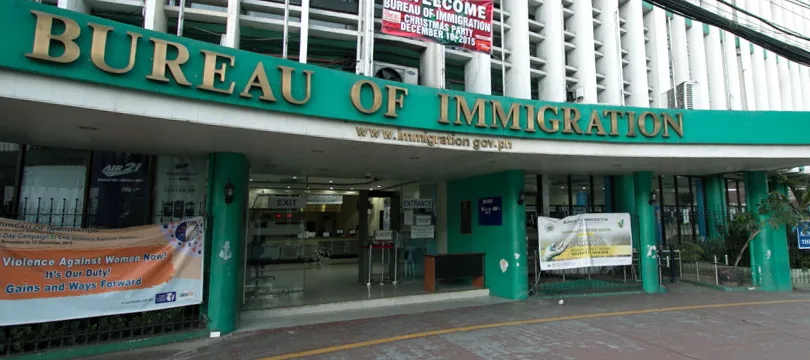
Authorities intercepted four Filipino travelers at the Ninoy Aquino International Airport (NAIA) Terminal 1 who were allegedly recruited online to perform high-paying security and military duties in Russia, the Bureau of Immigration (BI) announced Tuesday.
Immigration personnel stopped the passengers in separate incidents on September 18 and 19 after detecting significant inconsistencies in their declared travel plans during primary border processing. Following secondary evaluations, all four were classified as potential victims of human trafficking.
On September 18, three male passengers traveling together initially claimed Thailand as their final destination. During secondary inspection, one traveler confessed that their actual destination was Russia, disclosing he had responded to a Facebook advertisement offering a monthly salary of P70,000 for a security position.
The following day, September 19, immigration officers intercepted a fourth passenger who had declared Vietnam as his destination. Subsequent questioning revealed that he was en route to Russia for military deployment. Recruiters reportedly offered him a monthly salary of P150,000, guaranteed Russian citizenship after one year of service, and additional financial bonuses upon executing a specialized mission.
All four individuals were turned over to the Inter-Agency Council Against Trafficking (IACAT) for comprehensive assessment, investigation, and protective assistance.
Following the interceptions, BI Commissioner Joel Anthony Viado cautioned the public to exercise extreme vigilance when reviewing job offers abroad, particularly those advertised on social media platforms without verified documentation from the Department of Migrant Workers (DMW).
“Filipinos should exercise extreme caution when dealing with online job offers, particularly those that promise unusually high salaries, immediate deployment, or other benefits without proper documentation,” Viado said.
The Bureau of Immigration confirmed that the operations reflect intensified border protection efforts designed to suppress illegal recruitment networks, enforce compliance with DMW employment verification protocols, and prevent overseas Filipino workers from experiencing exploitation abroad.