
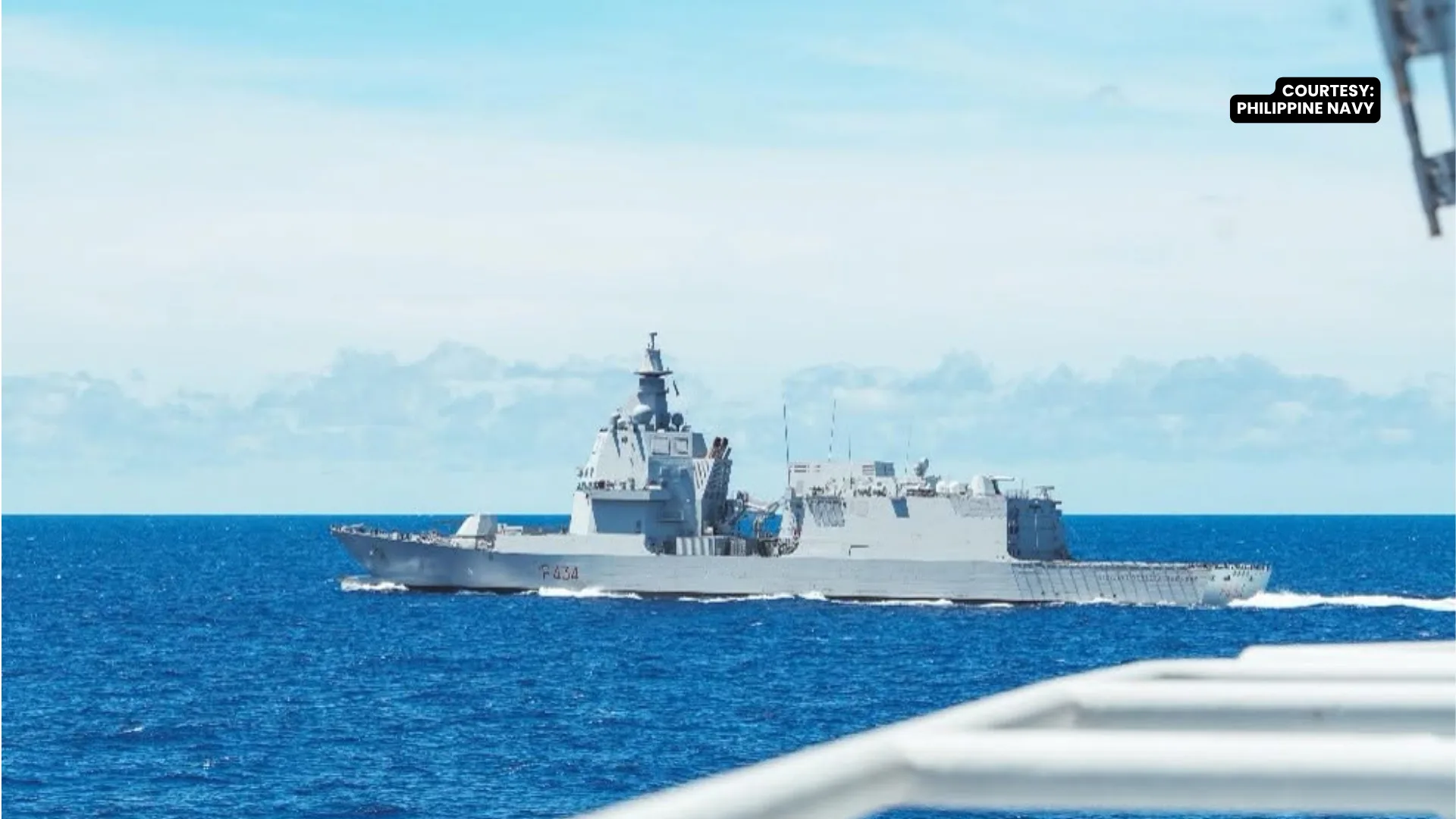
The Armed Forces of the Philippines (AFP) monitored more than 20,000 vessels in June as part of its continuing maritime security operations within the country’s areas of interest and Exclusive Economic Zone (EEZ).
AFP spokesperson for the West Philippine Sea Rear Admiral Roy Vincent Trinidad said Philippine Navy monitoring efforts from June 1 to 30 recorded a total of 20,494 vessels, composed of 3,120 domestic vessels and 17,374 foreign vessels.
Of the total number, 14,548 vessels responded to radio challenges, while 5,946 did not respond.
The AFP said the monitoring and radio challenge procedures form part of its maritime domain awareness operations, which allow the military to detect, identify, and assess vessels operating in Philippine waters and surrounding maritime areas.
During the same period, the Navy also monitored 74 vessels from the People’s Liberation Army Navy (PLA-N) and China Coast Guard (CCG) across four key features in the West Philippine Sea.
The AFP said 41 vessels were recorded in Bajo de Masinloc, including 16 PLA-N vessels and 25 CCG vessels. Sixteen vessels were monitored in Ayungin Shoal, composed of four PLA-N vessels and 12 CCG vessels.
Eight Chinese vessels were also seen in Escoda Shoal, including five PLA-N vessels and three CCG vessels, while nine were monitored near Pag-asa Island, composed of four PLA-N vessels and five CCG vessels.
The AFP said the continued presence and activities of Chinese vessels reflect what it described as illegal, coercive, aggressive, and deceptive actions that undermine the rules-based international order and violate the Philippines’ sovereign rights and jurisdiction.
The military said such actions contribute to regional tensions and underscore the need for continued vigilance, stronger maritime domain awareness, and strict adherence to international law.
The AFP said it remains committed to protecting the country’s maritime interests through sustained operational presence, improved inter-agency coordination, and continued capability development to uphold national sovereignty, maritime security, peace, and stability in the region.