
The Asian Development Bank (ADB) is rolling out a $70 billion push to transform energy and digital connectivity across Asia and the Pacific, signaling a major shift toward integrated regional infrastructure.
The plan centers on two flagship programs: a cross-border power grid system and a region-wide digital network aimed at expanding electricity access and closing connectivity gaps.
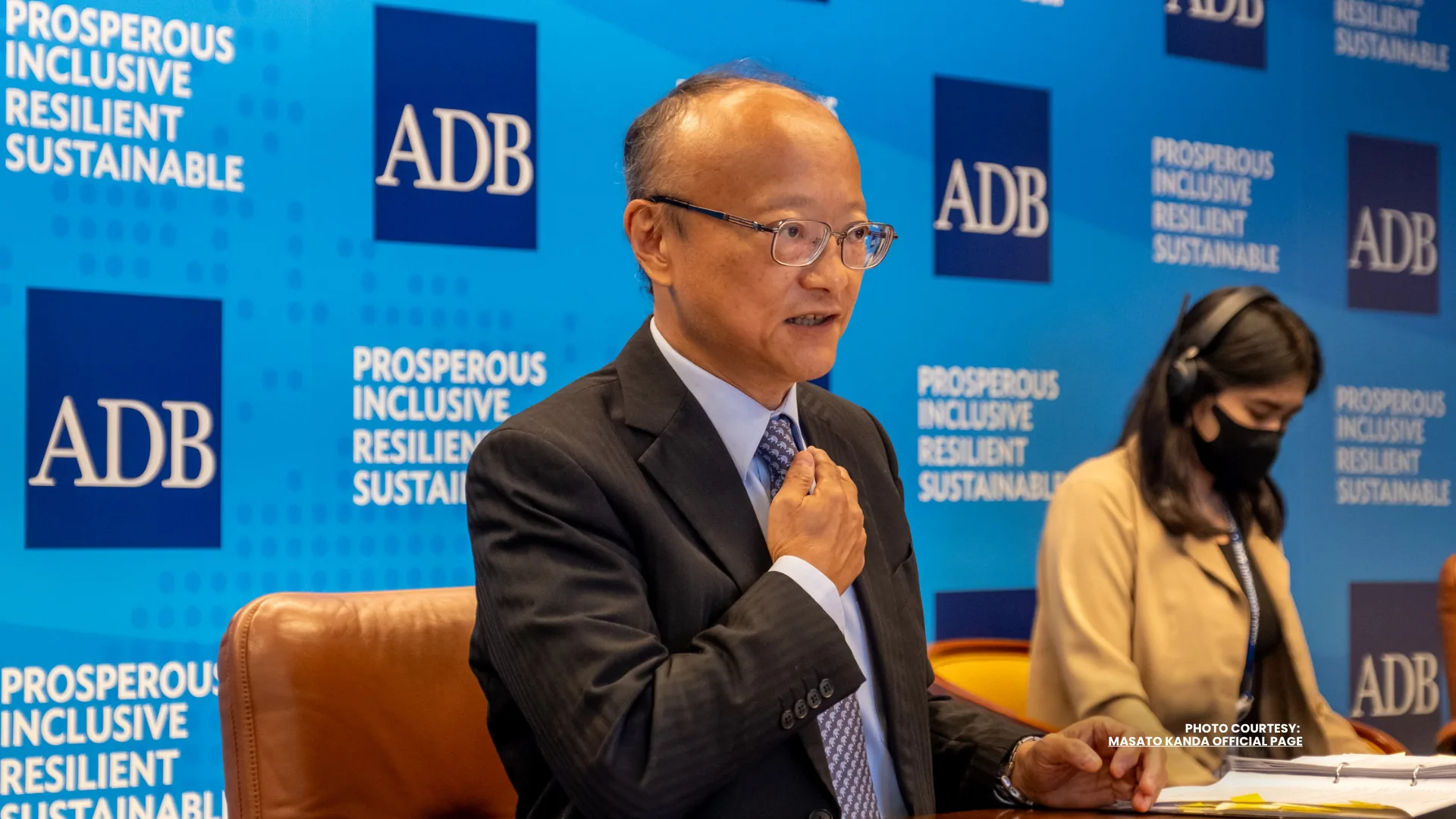
ADB President Masato Kanda said the twin initiatives reflect the growing importance of energy and digital systems in driving economic growth and competitiveness.
“Energy and digital access will define the region’s future,” Kanda said, noting that stronger regional links can lower costs and expand opportunities for millions.
The larger share of funding, $50 billion, will go to the Pan-Asia Power Grid Initiative, which aims to connect national and subregional grids to enable the flow of renewable energy across borders. The program will support transmission lines, substations, storage systems, and grid digitalization, along with renewable energy projects tied to regional power trade.
By 2035, the initiative is expected to integrate around 20 gigawatts of renewable energy, build 22,000 circuit-kilometers of transmission lines, and expand electricity access to 200 million people. It is also projected to generate hundreds of thousands of jobs and reduce regional power sector emissions.
The remaining $20 billion will fund the Asia-Pacific Digital Highway, which focuses on expanding broadband infrastructure through fiber networks, satellite systems, and regional data centers. The program also includes support for cybersecurity frameworks and digital skills development.
The digital initiative aims to provide first-time internet access to 200 million people and improve connectivity for another 450 million, with the potential to lower costs in underserved areas and create millions of jobs.
To support emerging technologies, a Center for AI Innovation and Development will be established in Seoul, backed by a $20 million contribution from the Republic of Korea, to promote inclusive artificial intelligence adoption and train up to 3 million people.
The ADB said it will finance a significant portion of both programs while working with governments, development partners, and private investors to mobilize additional funding. Technical assistance will also be provided to align regulations and prepare major infrastructure projects.
The initiative builds on existing regional efforts such as the ASEAN Power Grid and Central Asia energy cooperation programs, but marks a broader shift toward large-scale, cross-border systems designed to support long-term growth and resilience.