
Filipino nurse Everem Tejada explores non-hospital roles and global career paths in healthcare
For many Filipino nurses, the profession is still imagined in hospital corridors, defined by long shifts, direct patient care, and the relentless rhythm of bedside work. That definition, however, is changing.
As healthcare systems grow more complex, new roles are emerging outside traditional clinical settings. These roles allow nurses to apply their training in ways that influence care on a broader level.
Everem Loren Zerna Tejada’s career reflects this transition.
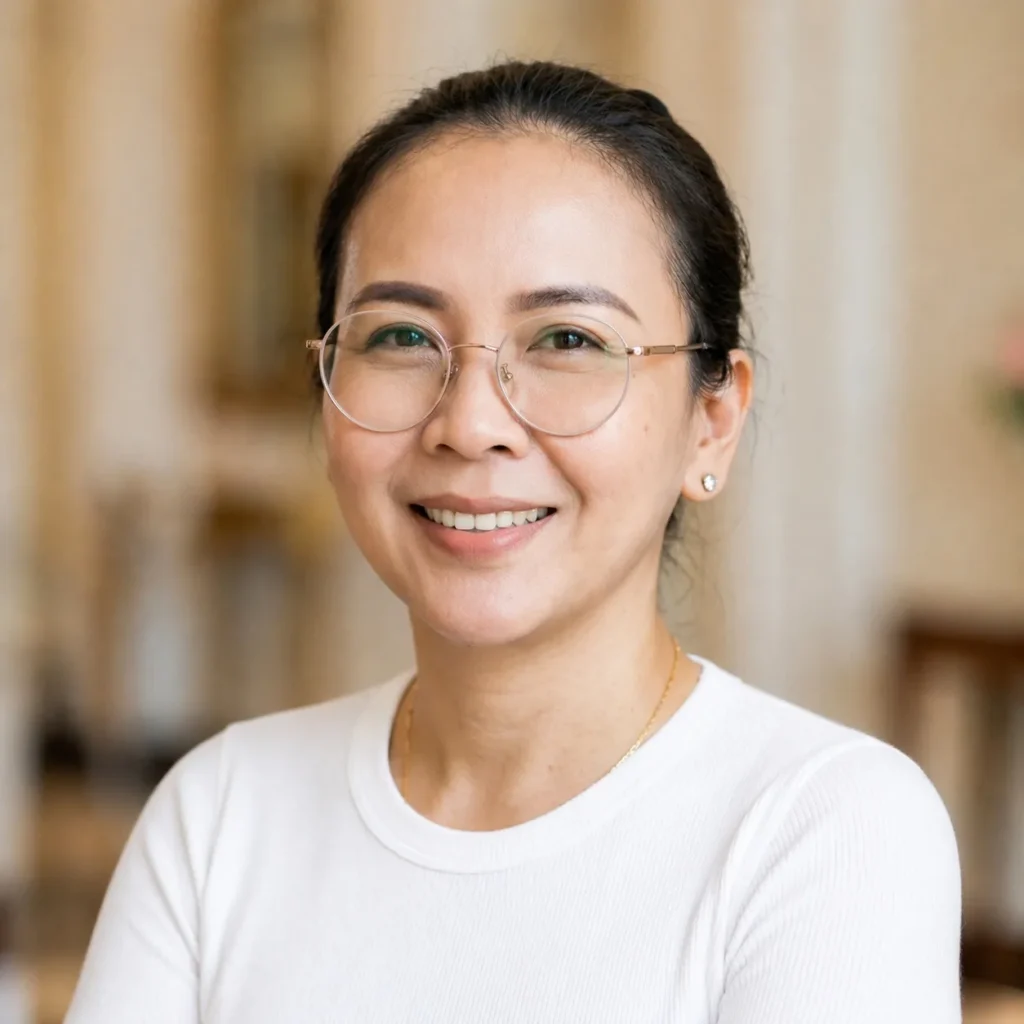
She began, like many others, at the bedside, where the fundamentals of nursing are shaped through clinical judgment, communication, and empathy. After several years, she began to look beyond direct patient care, drawn by the possibility of contributing in a different way.
“The transition gave me a new perspective on the healthcare system,” she said. “I saw how administrative efficiency directly impacted patient care.”
Her move into clinical process work changed how she practiced nursing. Instead of focusing on individual patients, her work expanded to include areas such as case management, utilization review, and clinical validation, functions that influence care decisions at scale.
Like many nurses exploring roles outside the hospital, Tejada questioned whether leaving bedside care meant stepping away from the profession. The work was also structured differently, measured less by immediate patient outcomes and more by accuracy, efficiency, and consistency.
Over time, she found that the core of nursing remained intact.
“I realized that nursing isn’t confined to hospital walls,” she said. “It’s about applying our clinical expertise wherever it can improve healthcare outcomes.”
Today, her role centers on guiding teams, refining processes, and supporting nurses navigating similar paths, particularly those preparing for international practice. This often requires more than technical knowledge.
“The exam demands mastery of U.S. nursing standards. It requires a different way of thinking about clinical decisions,” she explained.
For Tejada, moving away from the bedside did not mean leaving nursing, but redefining it. The work may be less visible, but its reach is broader.
Her experience reflects a wider evolution within the profession, where nurses are increasingly working in areas such as telehealth, documentation, and care coordination, functions that shape healthcare beyond direct contact.
Organizations such as Omega Healthcare are among those opening these pathways, particularly for Filipino nurses seeking global exposure while remaining in the country.
What this requires, ultimately, is perspective.
For nurses weighing their next move, the question is no longer confined to where care happens, but how it is delivered.
“Growth doesn’t always mean leaving. It means finding the path that aligns with your purpose,” Tejada ended.