
The government expects economic growth to improve in the second and third quarters of the year despite pressures from the Middle East conflict, higher oil prices, and the possible onset of a severe El Niño, Executive Secretary Ralph Recto said Tuesday.
Speaking on the sidelines of President Ferdinand Marcos Jr.’s departure ceremony for his state visit to Japan, Recto said the slower first-quarter performance was partly due to the impact of the flood control controversy and more cautious government spending.
“Inaasahan natin na iyong second quarter growth at third quarter growth mas maganda kaysa sa first quarter growth. Kaya mababa iyong first quarter growth natin, unang-una ay dahil pa rin nga sa flood control,” he said.
He said government spending also slowed as agencies reviewed expenditures to ensure that public funds were properly used.
“Syempre inaayos ng pamahalaan para di masayang iyong pera, bumagal iyong gastos ng ating pamahalaan,” he added.
Recto said the administration expects better economic momentum in the next two quarters as government programs continue and contingency measures help cushion the impact of external shocks.
He cited the continuing conflict in the Middle East and elevated fuel prices as risks that began affecting the economy late in the first quarter. However, he said the government’s early response helped soften the burden on vulnerable sectors.
Recto said a survey showed that 75 percent of the public approved of the government’s response, particularly the Unified Package for Livelihoods, Industry, Food, and Transport or UPLIFT.
“I think maganda ang naging response ng gobyerno sa pagdating sa Middle East crisis, sa pagtaas ng presyo ng langis. Mahigit kulang-kulang dalawang milyon ang natulungan ng ating pamahalaan maibsan ang krisis,” he said.
The government response included P5,000 cash assistance for public utility vehicle drivers, fuel subsidies for the transport sector, discounted fares in trains and jeepneys, and the repatriation of overseas Filipino workers from the Middle East.
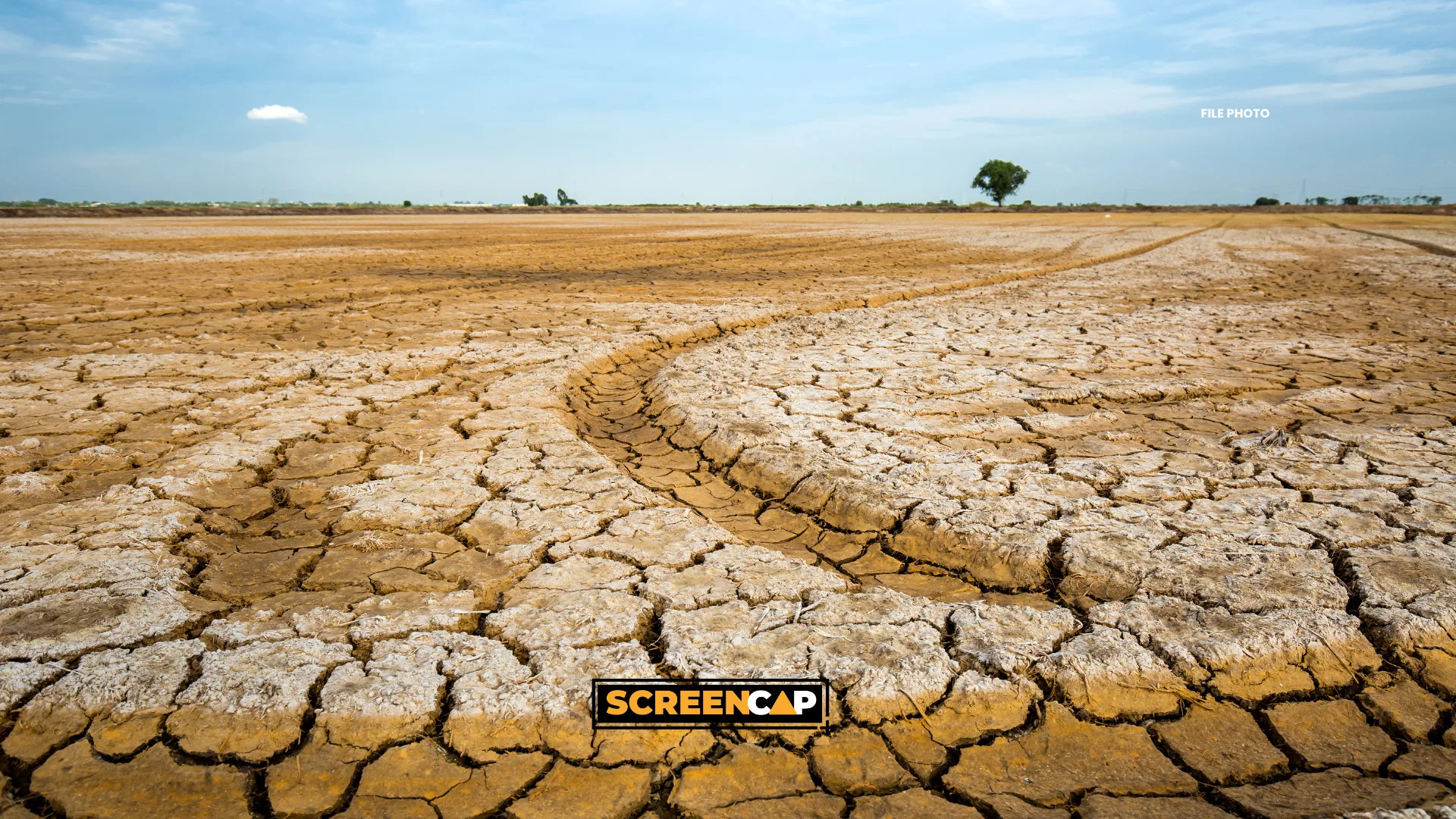
Recto said the administration is also preparing for the possible effects of a severe El Niño, which could affect food supply, water resources, agriculture, and household costs.
He said President Marcos presided over a meeting in Malacañang on Monday to review past El Niño events, previous government responses, and measures that proved effective in reducing the impact of prolonged dry spells.
“Pinag-aaralan na rin natin iyong response ng ating pamahalaan pagdating sa El Niño. Dahil we might have a severe El Niño. So we looked at the past, what did government do, what worked. And nagpaplano na tayo diyan para maibsan iyong epekto ng El Niño sa ating lahat,” he averred.
The Philippine Atmospheric, Geophysical and Astronomical Services Administration earlier said there is a 79 percent to 92 percent chance of a very strong or severe El Niño from late 2026 to early 2027.
Recto said the government is moving early to prepare interventions as it seeks to sustain growth while protecting households and key sectors from inflationary and climate-related risks.