
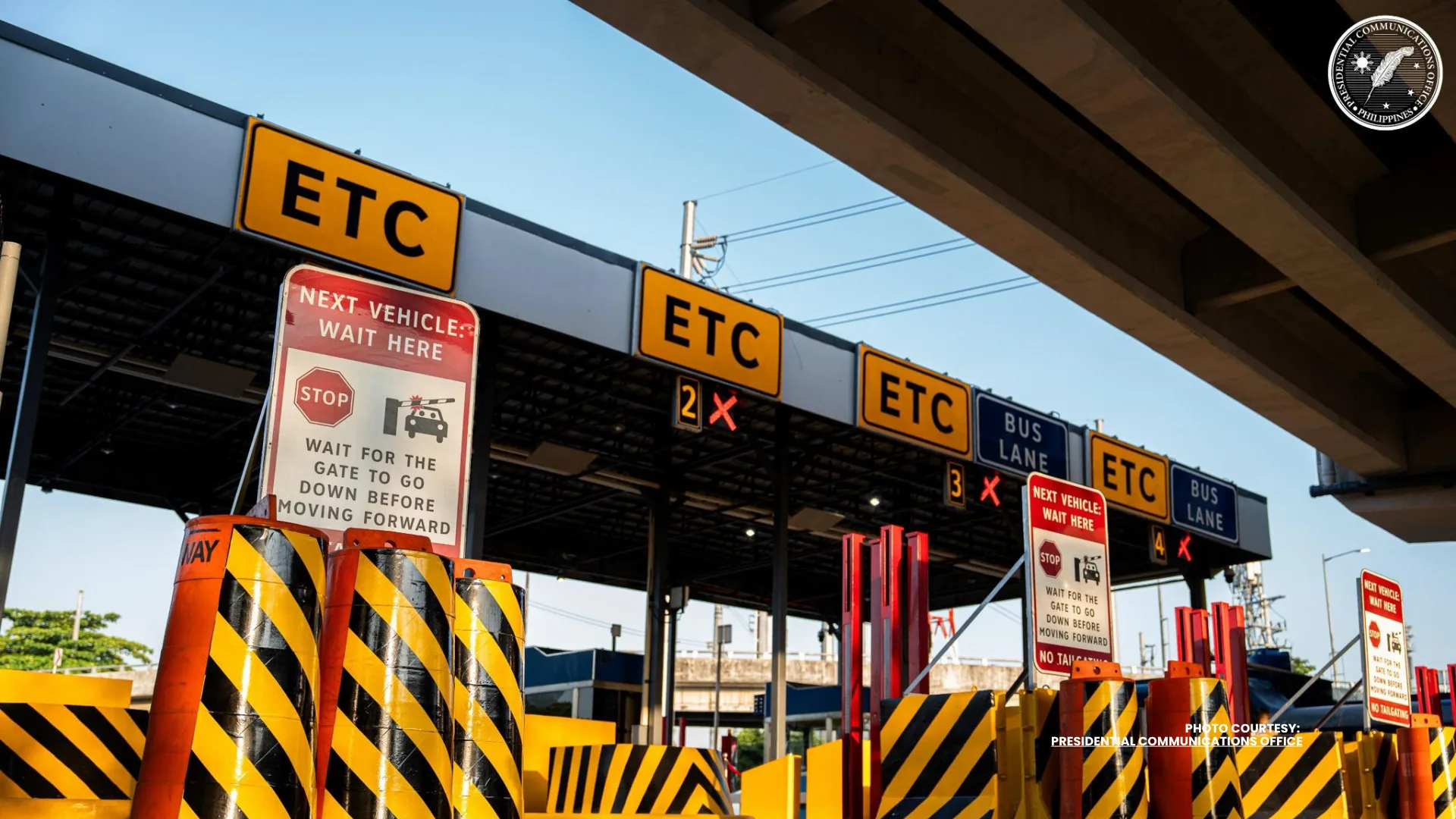
SMC Tollways Corp. posted stronger first-quarter results in 2026, supported by higher toll revenues and increased traffic across its major expressway networks.
The company reported a net income of P12.62 billion for the January-to-March period, compared with P2.44 billion in the same quarter last year, as traffic volume improved across all vehicle classes.
Consolidated total revenue rose four percent to P5.66 billion from P5.438 billion a year earlier, mainly driven by stronger vehicle traffic on its toll road systems.
SMC Skyway Corporation recorded average daily traffic of 286,687 vehicles in the first quarter, up one percent from 284,714 in the same period in 2025.
SMC Skyway Stage 3 Corporation, also known as MMSS3, posted a higher increase, with average daily traffic rising six percent to 184,364 vehicles from 173,151 last year.
The company also benefited from lower costs, with consolidated operating expenses dropping 28 percent to P308.47 million.
The decline in expenses was attributed to lower taxes and licenses following the settlement of a Bureau of Internal Revenue audit in 2025, as well as reduced spending on contracted chauffeur and janitorial services, vehicle repairs and maintenance, representation, supplies, and subscriptions.
SMC Skyway is the concessionaire for the Skyway Project, which includes a 9.02-kilometer elevated road connecting Bicutan to the Makati Central Business District.
Its concession also covers the rehabilitation of a 13.43-kilometer section of the South Luzon Expressway from Alabang to Magallanes, and the 6.88-kilometer elevated expressway from Bicutan to Alabang, including ramps leading to SLEX.
The Skyway system consists of Skyway Stage 1 and Stage 2, and was later expanded through the Skyway Extension Project.
Meanwhile, MMSS3 operates the Skyway Stage 3 Project, a 17.93-kilometer expressway stretching from Buendia in Makati City to NLEX-Balintawak in Quezon City. The project serves as a critical connector between SLEX and the North Luzon Expressway.
The latest results reflect continued demand for Metro Manila’s major toll corridors, as higher mobility and improved traffic volumes lifted SMC Tollways’ first-quarter performance.
Note: The source text says net income rose seven percent, but the figures provided, P12.62 billion from P2.44 billion, indicate a much larger increase. I avoided stating the seven percent figure in the article to prevent a numerical inconsistency.