
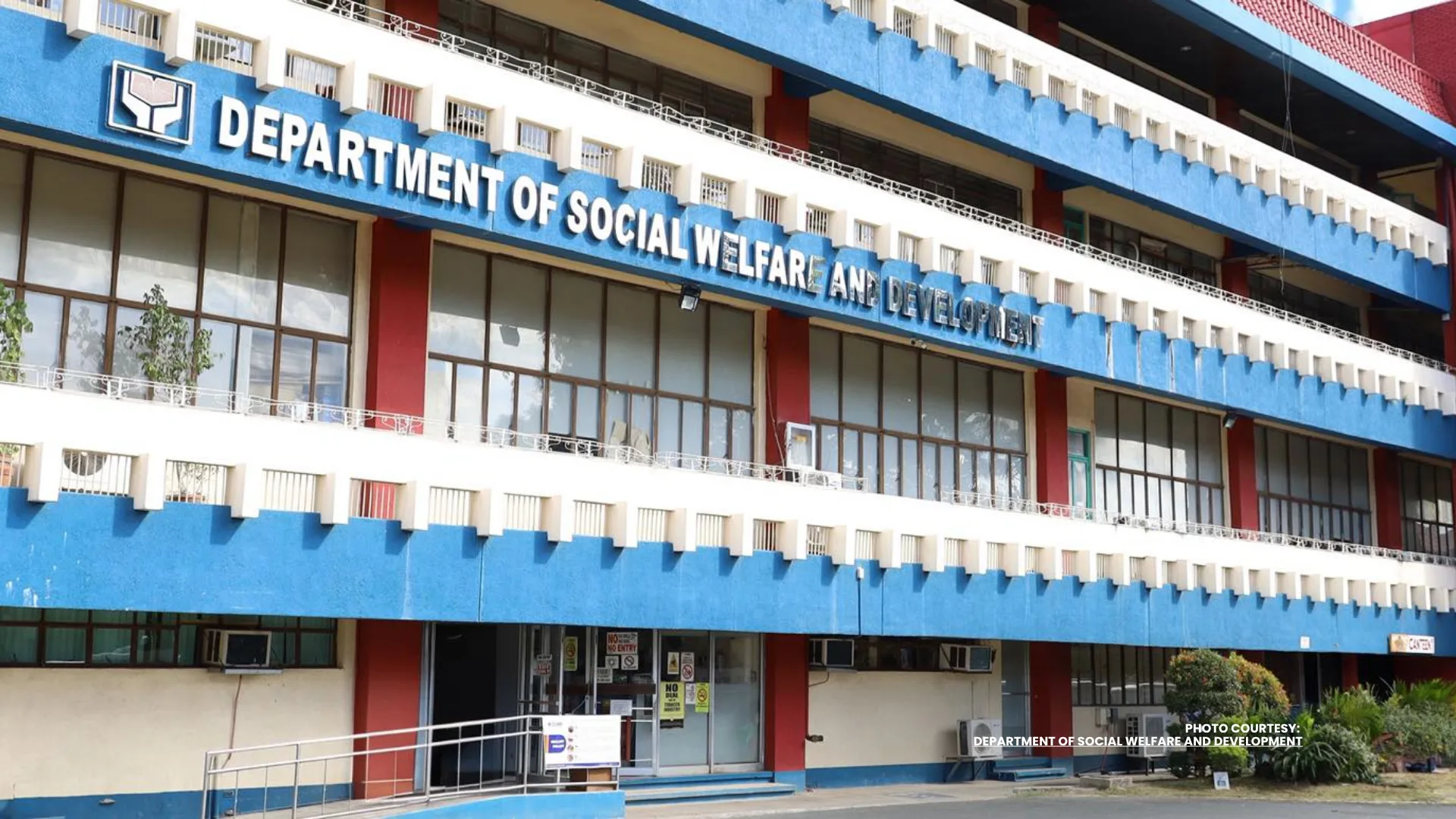
The Department of Social Welfare and Development has extended financial assistance to the family of a 53-year-old woman who died while reportedly on her way to receive aid under the Assistance to Individuals in Crisis Situation program in Quezon City.
DSWD spokesperson Assistant Secretary Irene Dumlao said the agency, through its Field Office in the National Capital Region, immediately coordinated with the woman’s relatives after receiving a report on the incident from the Quezon City local government.
“Lubos na nakikiramay ang buong pamunuan ng DSWD sa pamilya at mga naulila ng kliyenteng pumanaw habang papunta sa AICS payout activity sa Quezon City Hall nitong nakaraang Huwebes,” Dumlao said on Saturday, May 23.
She said the DSWD-NCR provided P15,000 in financial assistance to help the bereaved family with their immediate needs.
“Agad na nakipag-ugnayan ang DSWD NCR sa pamilya ng nasawi upang magbigay ng kinakailangang suporta, kabilang ang financial assistance na P15,000 para makatulong sa kanilang pagdadalamhati at agarang pangangailangan,” Dumlao added.
The incident prompted the DSWD to again remind beneficiaries that they do not need to line up before dawn at payout sites, saying the agency has deployed enough social workers to help speed up the process.
During the DSWD Thursday Media Forum on May 21, Crisis Intervention Program Director Edwin Morata said Social Welfare Secretary Rex Gatchalian has repeatedly instructed that clients should not be made to feel they must arrive as early as 4 a.m. or 5 a.m. to be served.
“Lagi pong sinasabi ni Secretary Rex Gatchalian na you don’t need to go as early as 4:00 a.m., 5:00 a.m. kasi marami naman pong social worker ang available para po mapabilis po ang proseso ng pagbibigay natin during payout period,” Morata said.
Morata said the department has been improving its crowd management and processing systems to make AICS payouts more orderly and less burdensome for clients.
Among these measures is a scheduling system that assigns specific arrival times to beneficiaries to manage foot traffic and accommodate more clients throughout the day.
“We processed na po a scheduling system na naglalagay na po kami kung anong oras sila darating… we arrange the foot traffic para makapag-accommodate ng larger number ng kliyente. Pinabibilisan din namin ang assessment particularly pagdating sa outright cash,” Morata told reporters.
He said roving social workers are also deployed to check beneficiaries’ documents even before their scheduled interview, noting that incomplete requirements are among the common causes of delay.
“Nagfo-focus po kami sa pagrereview ng papel habang nasa baba pa lang sila kasi kadalasan naging problema ng pagtatagal kasi yung requirements hindi kumpleto,” Morata said.
The DSWD has also been working with local government units to conduct off-site payouts, allowing beneficiaries to receive assistance in their own localities instead of traveling to DSWD offices.
“Nag-open po tayo ng tinatawag natin na off-site. Ito po ay sa pakikipag-tulungan sa mga lokal na pamahalaan na kung saan rather than bringing their people going to our office, nagpapatulong tayo sa kanila na i-organize ang payout nila in their localities at pupunta na lang po ang DSWD para po maging paymaster to give assistance at ma-assess pa yung mga kliyente,” Morata said.
The DSWD said it continues to enhance the delivery of its social protection programs, in line with the directive of President Ferdinand Marcos Jr. to provide timely and responsive assistance to vulnerable and disadvantaged sectors.