
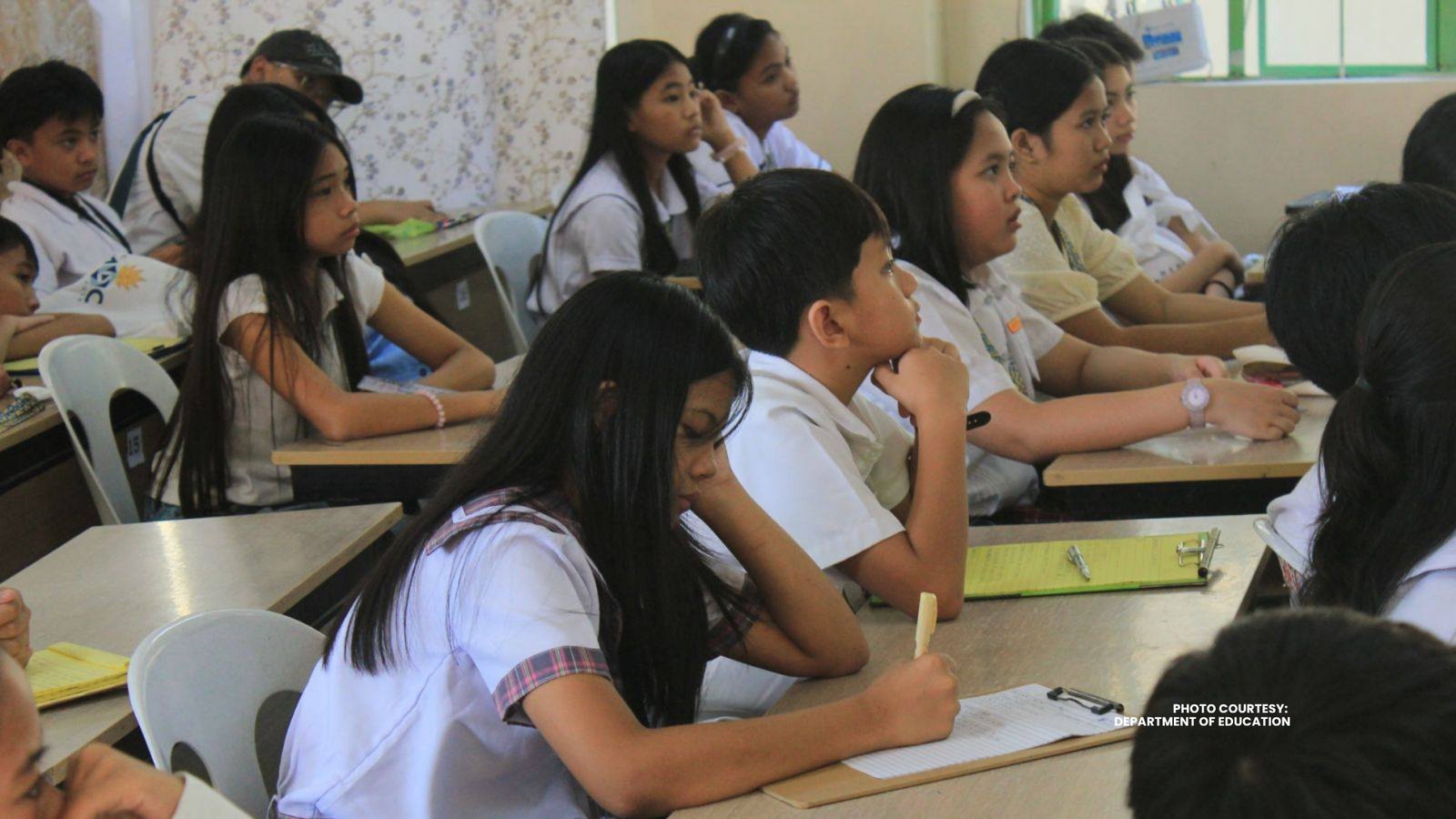
Underprivileged Filipino students may receive a mandatory five percent discount on key education-related expenses under a proposed Senate measure aimed at easing the financial burden on low-income families.
Senate Bill No. 1063, or the proposed “Underprivileged Students’ Discount Act,” seeks to grant qualified students discounts on tuition, food, medicines, school supplies, reference books, and electronic devices used for learning, including laptops and tablets.
The measure will cover students across all levels, including those enrolled in technical-vocational programs. It will apply to students whose families earn less than P250,000 a year, or roughly P20,000 a month.
“Maraming estudyante ang kapos sa panggastos araw-araw kaya bawat pisong natitipid nila ay napakahalaga. Sa panahon ngayon, hindi na luho ang laptop, tablet, o cellphone, kailangan na ang mga ito para makasabay sa pag-aaral. At lalong hindi luho ang pagkain, tuition, at school supplies. Kaya bawat diskwento ay malaking ginhawa para sa mga estudyante at kanilang pamilya,” Sen. Jinggoy Estrada said.
Under the bill, qualified beneficiaries may avail of the discount in food establishments, pharmacies, drugstores, bookstores, and shops selling school supplies and learning gadgets anywhere in the country.
The proposed discount will also apply to tuition, miscellaneous and other school fees, as well as entrance fees to museums, theaters, and cultural events that support learning.
Working students may also qualify, provided their combined household income remains within the threshold set by the bill.
The measure states that the five percent discount will not affect a student’s eligibility for scholarships, vouchers, educational subsidies, or other forms of assistance from the government, schools, or other institutions.
To encourage participation, establishments that grant the discount may treat the amount as an allowable deduction from gross income under the National Internal Revenue Code.
“This bill is not just about discounts. It is about ensuring that education remains a right, not a privilege. Palagi nating sinasabi na hindi dapat maging hadlang ang kahirapan para makapagtapos sa pag-aaral. Panahon na para gawin natin itong mas makatotohanan at mas abot-kamay para sa bawat Pilipinong estudyante,” Estrada said.
The Department of Education, Commission on Higher Education, and Technical Education and Skills Development Authority will be tasked with identifying qualified beneficiaries and issuing identification cards to eligible students.