
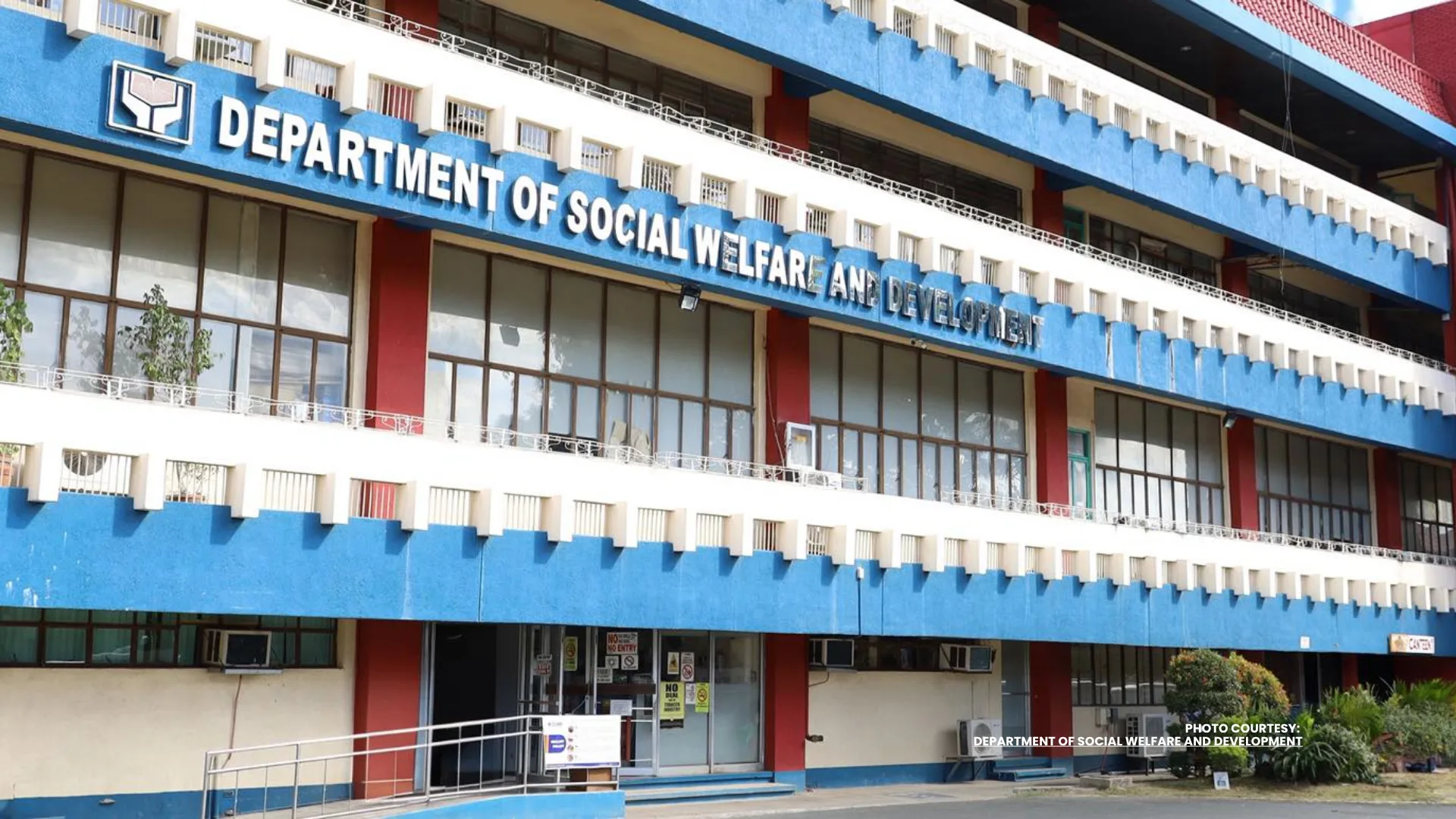
The Department of Social Welfare and Development (DSWD) has renewed its warning against unlicensed shelter facilities, stressing that good intentions are not enough when caring for children, the elderly, persons with mental health conditions, and other vulnerable individuals.
The agency issued the reminder as it called out social media vlogger Frankie Bugarin, popularly known as “Daddy Frankie,” over what it described as false and misleading claims regarding the recent pullout and transfer of clients from an unregistered shelter facility in Pangasinan.
According to the DSWD Standards Bureau, Bugarin had been conducting unauthorized public solicitation and operating a residential care facility for individuals with mental health conditions and the elderly without the required registration, license to operate, accreditation, and public solicitation permit from the department.
The DSWD said Bugarin and seven other vloggers had also been involved in “rescue” activities involving children with special needs, elderly persons, and individuals with mental health conditions without proper authority and safeguards required under existing rules.
The agency said its May 8 operation, which involved the transfer of three clients, was carried out in coordination with the DSWD Field Office 1, the Municipal Social Welfare and Development Offices of Malasiqui, Pangasinan and Paniqui, Tarlac.
The clients were transferred to an accredited DSWD center in Region 1 for temporary shelter and care while their admission requirements were being completed for another DSWD facility better suited to their needs.
DSWD spokesperson Assistant Secretary Irene Dumlao said the department was forced to act after Bugarin failed to comply with requirements for a Certificate of Registration and License to Operate.
“Hindi po biglaan ang naging aksyon ng DSWD. Noong March 10 pa lang ay nagbigay na po tayo ng paunang notice sa vlogger, na sinundan po ng technical assistance at suspension order noong March 25 upang mabigyan sila ng pagkakataon na sumunod sa mga itinakdang pamantayan po natin patungkol sa mga unregistered care facilities,” Dumlao said.
She said an action planning session was also held on April 6, resulting in agreements that included the pullout of remaining clients from the facility, the suspension of new admissions while licensing requirements were being processed, and the avoidance of public posts showing the faces, names, or distressing conditions of clients.
Dumlao also criticized the unauthorized recording and posting of videos during the rescue and transfer operation, saying these materials gave the public a misleading impression of the situation.
“Nakakalungkot po na habang isinasagawa natin ang maayos at maingat na paglipat sa mga kliyente, may mga unauthorized audio at video recordings na ginawa at kalaunan ay ipinost sa social media na may kasamang maling pagpapalabas ng sitwasyon,” she said.
She said the privacy and welfare of vulnerable clients should come first, instead of using sensitive videos as content to suggest that the DSWD had acted with bad intentions.
The DSWD stressed that unlicensed shelters pose serious risks, especially when they handle individuals who need specialized care, trained personnel, proper case management, safe facilities, and government-monitored services.
“Hindi po sapat ang mabuting intensyon lang pagdating po sa pag-aalaga ng mga vulnerable individuals,” Dumlao said. “Kailangan matiyak po natin na ligtas ang mga pasilidad, maayos ang serbisyo, may trained personnel, at sumusunod sa minimum standards ng gobyerno.”
She also said recording and publicly posting the distressing condition of vulnerable individuals without consent, especially to attract sponsors or solicit donations, is prohibited because it exploits persons in need.
The DSWD clarified that it does not prevent private individuals or groups from helping vulnerable sectors, but said all efforts must comply with existing laws and standards to ensure protection, accountability, and proper care.
“Bukas po ang DSWD sa pakikipagtulungan sa mga indibidwal at organisasyong nais tumulong,” Dumlao said, adding that the department provides technical assistance for registration, licensing, accreditation, and public solicitation permits.
Under existing rules, facilities providing residential care and social welfare services must secure a Certificate of Registration and License to Operate, as well as a Certificate of Accreditation, to ensure compliance with standards on staffing, facility safety, documentation, case management, and program delivery.
Dumlao assured the public that the DSWD remains ready to assist individuals and families in crisis situations through its programs and services, including the Pag-abot Program for families and individuals in street situations.