
State weather bureau, the Philippine Atmospheric, Geophysical and Astronomical Services Administration (PAGASA), has raised an El Niño Alert after climate models and expert assessments pointed to a high likelihood of the phenomenon developing by mid-2026 and potentially lasting into early next year.
In an advisory, the PAGASA said conditions in the tropical Pacific remain El Niño Southern Oscillation (ENSO)-neutral, but projections show a 79-percent chance of El Niño emerging during the June-July-August 2026 season.
El Niño, the warm phase of the ENSO, is a climate cycle that affects global weather patterns. It typically brings hotter and drier conditions to parts of the Philippines, as ocean temperatures become warmer in the central and eastern Pacific and relatively cooler near the country. Under PAGASA’s alert system, an El Niño Alert is issued when there is at least a 70-percent probability of the event forming within the next two to three months.
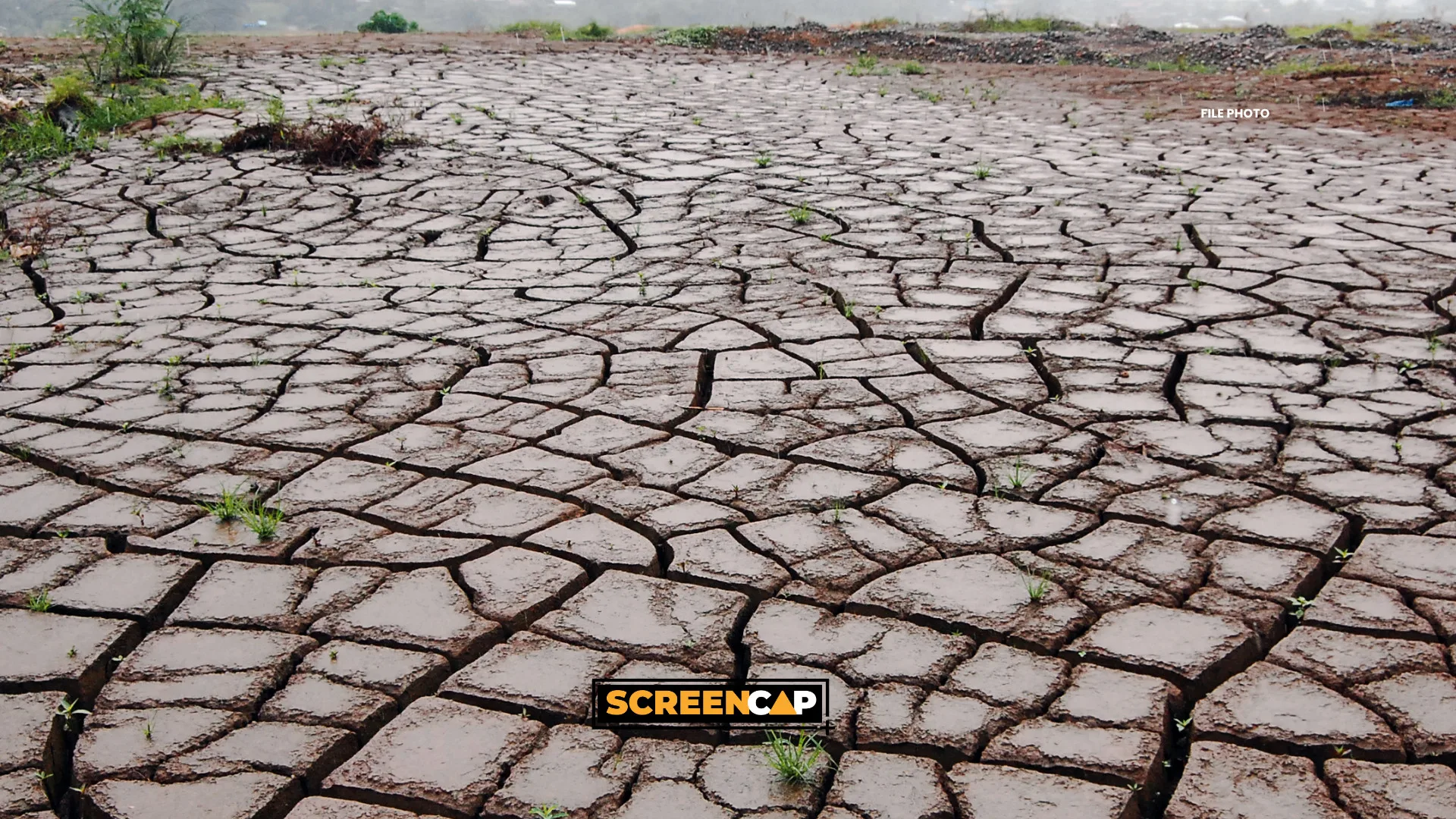
Authorities warned that the developing climate pattern could bring drier-than-usual conditions across parts of the country, raising the risk of droughts and prolonged dry spells. At the same time, some areas, particularly in the western sections of the Philippines, may still experience above-normal rainfall during the southwest monsoon or “Habagat” season.
PAGASA said it will continue to closely monitor ENSO conditions and urged government agencies and the public to stay vigilant and prepare for possible impacts.
The advisory comes as officials move to mitigate potential disruptions to agriculture, water supply, and energy resources, sectors that are often hit hardest during El Niño episodes.