
Regulatory mechanisms designed to shield vulnerable populations from price spikes during severe climate events are facing operational enforcement following a formal calamity declaration in Southern Luzon.
The Department of Energy (DOE) imposed a 15-day price freeze on household liquefied petroleum gas (LPG) and kerosene products in Guinayangan, Quezon, after local authorities placed the municipality under a state of calamity due to El Niño and acute water shortages.
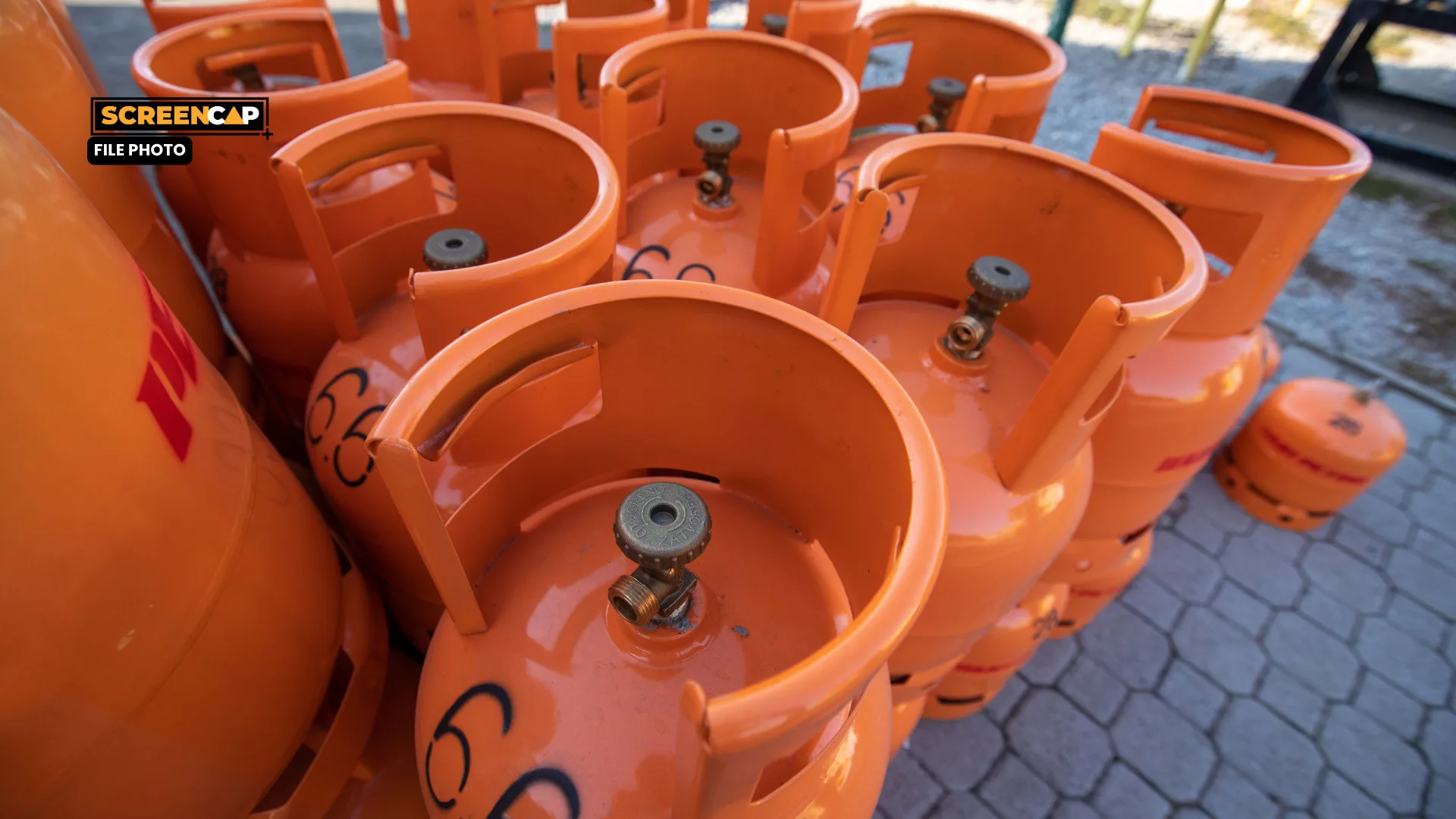
In an advisory issued Wednesday, the DOE noted that the price freeze applies to household LPG sold in cylinders weighing 11 kilograms and below, as well as kerosene.
The statutory price control took effect on November 1 and will remain enforced through November 15.
The DOE cited provisions of the Price Act, which mandate an automatic price freeze on basic necessities whenever an area is declared under a state of calamity.
Under the statutory framework, maximum retail prices must stay locked at levels prevailing immediately prior to the official calamity declaration.
“During the price freeze, price implemented is that used before the implementation of the State of Calamity (SOC),” the DOE said.
The agency clarified that while price increases are strictly prohibited during the 15-day window, retail price rollbacks remain permitted.