
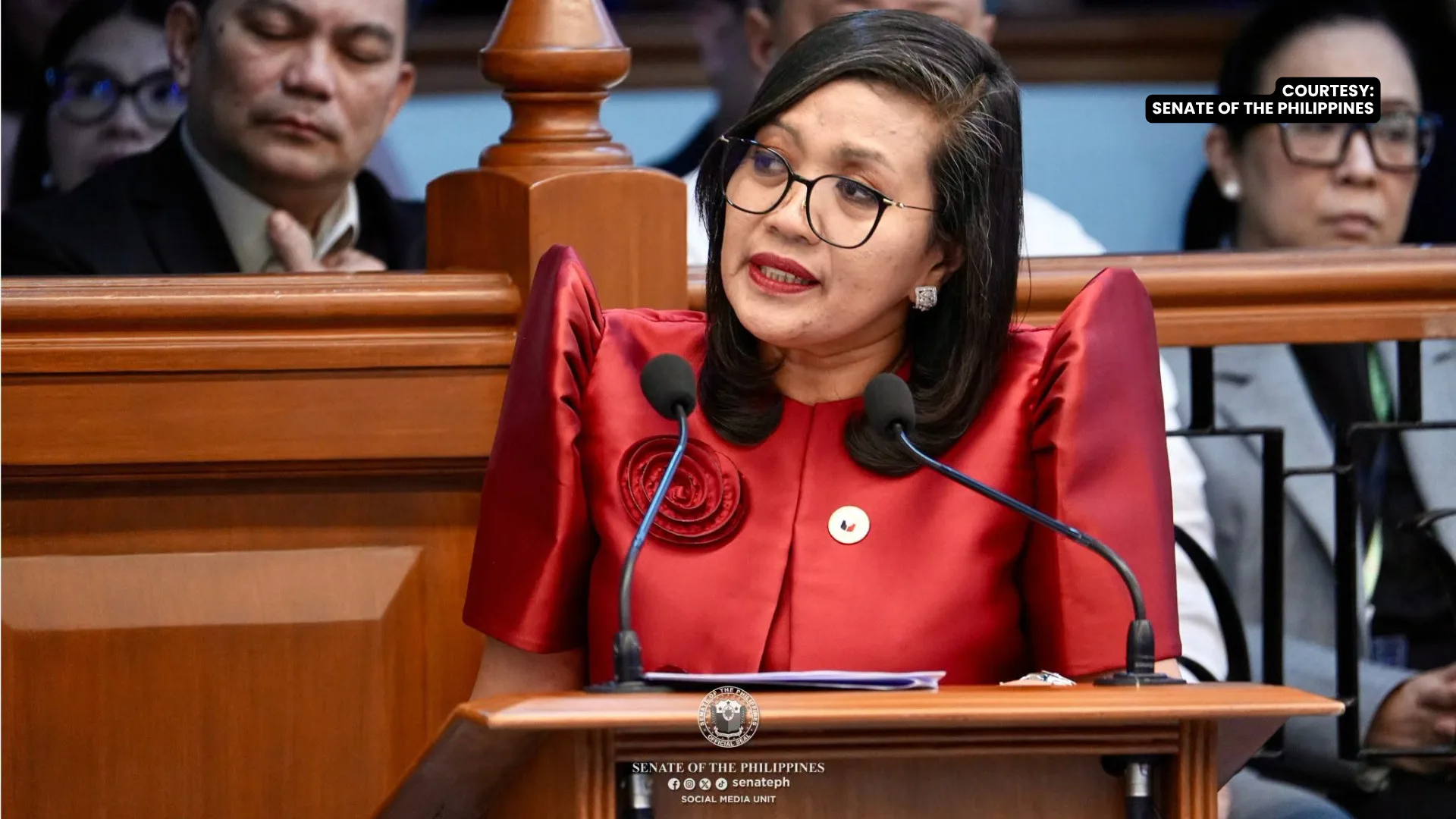
The decision to withdraw three of the four impeachment articles against Vice President Sara Z. Duterte was agreed upon unanimously by both public and private prosecutors, House panel leaders confirmed following the 39th day of the Senate trial.
Lead prosecutor and Batangas Representative Gerville “Jinky Bitrics” Luistro and private prosecutor Atty. Lorna Kapunan clarified that the strategic shift was a collective decision aimed at streamlining the trial to focus exclusively on Article II, which covers alleged unexplained wealth.
“Well, actually, that decision represents the decision of the entire prosecution panel,” Luistro told reporters during a press briefing. Addressing questions regarding private prosecutors who managed the dropped allegations, Luistro confirmed they actively participated in the consensus rather than merely being notified.
Kapunan reiterated the principle of prosecutorial restraint, recalling a mandate she raised early in the proceedings: “All of us who are presenting evidence should know when to stop.”
“That is why the prosecution, both the public and the private, has decided to stop—because we are very clear already on unexplained wealth,” Kapunan noted, adding that the panel chose to direct its resources toward the financial non-disclosure and asset-accumulation charges under Article II rather than continuing separate presentations on confidential funds (Article I), bribery (Article III) and grave threats (Article IV).
Under the ruling handed down by Senate President and Presiding Officer Francis Escudero, Articles I and IV where the prosecution had already concluded its presentation of evidence were dismissed with prejudice, barring them from being refiled or revived during the 20th Congress. Conversely, Article III (bribery) was dismissed without prejudice as no evidence had been formally introduced, though it cannot be revived within the current trial.
Luistro noted that dropping the three articles removes any requirement for the Vice President’s legal team to present a defense on those specific counts. However, the court’s order preserves all prior testimony and documentary exhibits on record, allowing both parties to reference previously admitted materials relevant to Article II.