
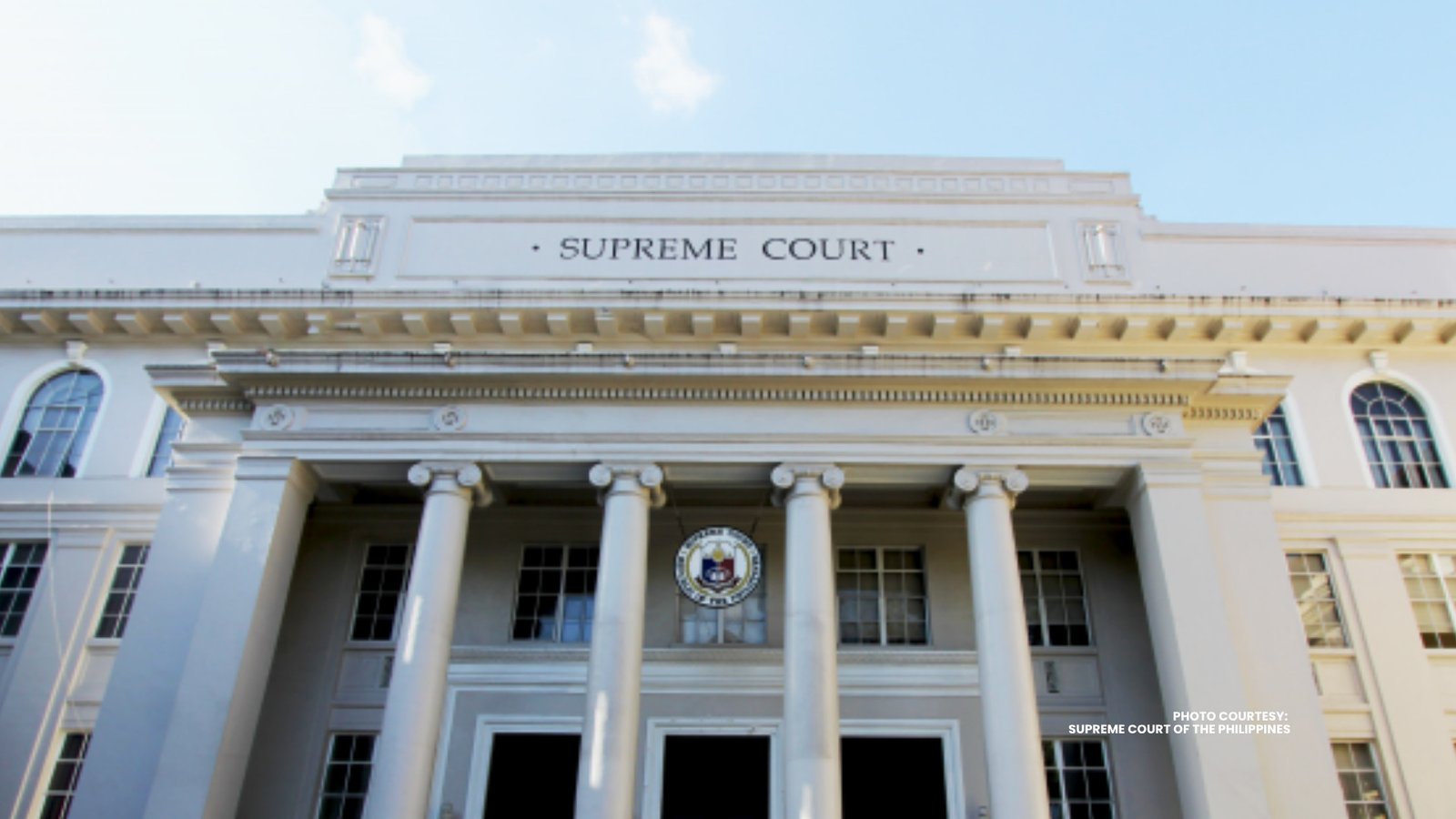
The leadership dispute in the Senate should be brought before the Supreme Court to allow the issue to be resolved peacefully and with finality, a senator said amid the continuing standoff between rival blocs in the chamber.
In his “Chiz Wiz” podcast aired Sunday, Sen. Francis “Chiz” Escudero said both sides in the Senate leadership row have arguments to raise, but the High Court is the proper venue to determine who has the rightful claim to the post.
“Kung di tayo magkasundo-sundo, may korte para magpasya para sa atin…Puwedeng sumang-ayon ka sa desisyon ng korte o hindi, pero wala kang puwedeng gawin kung hindi sumunod. Kung hindi, magkakagulo-gulo at magkaka-away away lamang tayo,” he said.
The solon said the Avelino v. Cuenco case being cited in the dispute remains a valid legal reference, although the Supreme Court may either uphold or revisit its earlier ruling given the passage of time and the changes in the composition of the tribunal.
“Ang Avelino versus Cuenco ay dinisisyunan ’yan ng 1935 Constitution. Magkaiba ang Saligang Batas natin ngayon at noon, pero sa aspetong ‘yan, pareho. Ang isyu din noon ay Senate president…Yung Avelino versus Cuenco, matagal na ’yan, so maaaring magbago ang Korte Suprema. Maaari rin namang sundin niya yung desisyon niyang iyon. So, sa dulo, Korte ang magpapasya ng mga bagay-bagay na ito at sana hindi dinadaan sa tulakan, sa banggaan, sa away o sa sakitan,” he said.
“Yun ang mapayapang paraan kaysa may dalawa jang nagsasabi na sila ang hari. Di ba magulo yun,” he added.
The senator said the Supreme Court has ruled on leadership and succession issues in the past, including the case involving former president Joseph Estrada during EDSA 2, when the tribunal held that Estrada had “constructively resigned” after leaving Malacañang, paving the way for Gloria Macapagal Arroyo to assume the presidency.
He also pointed to a provision in the 1987 Constitution that was not present in the 1935 Constitution. Under the current Charter, a majority of all senators is needed to elect a Senate president, while other officers of the Senate or the House may be chosen by a majority of the quorum.
“Nakalagay sa 1987 Constitution, kailangan mo ng mayorya ng lahat bago ka makahalal ng Senate President o Speaker. Wala iyon sa 1935 Constitution. Pero sa pangalawang talata, puwede kang mag-elect ng ibang mga opisyal ng Senado’t Kamara ng mayorya ng quorum,” he said.
He said this distinction is central to the interpretation of the Avelino v. Cuenco ruling.
“Kasi ang depenisyon ng Korte Suprema sa Avelino versus Cuenco bahagi sa desisyong yun, if the senator is outside the coercive jurisdiction of the Senate, ibig sabihin hindi siya puwedeng piliting mag-attend, hulihin, arestuhin para mag-attend, hindi siya kabilang sa quorum,” he said.
However, he noted that Section 99 of the Senate rules allows senators within the country to be compelled to attend sessions for purposes of obtaining a quorum. He said his interpretation may still be questioned by those who hold a different view.
Despite the leadership standoff, the senator said the situation should not be considered a constitutional crisis.
“Ang usual definition ng constitutional crisis ay nagbabanggaan ang dalawa sa tatlong ahensiya ng pamahalaan — executive, legislative at judiciary. Yun ang crisis. Let’s say may utos ang Korte ayaw sundin ng Presidente. May batas ang Kongreso ayaw ipatupad ng Presidente. A constitutional crisis is usually defined in a Republican system of government where there are three branches, may nag-aaway na dalawang branch. Ito’y away ito sa loob ng iisa,” he said.
He said one side has a legal basis for holding on to the leadership because its leader had been elected by a majority of all members. However, he also noted that when a quorum of 12 senators was present on June 3, all seats were declared vacant and a new Senate president pro tempore was elected, who is now serving as acting Senate president.
He said the acting Senate president would remain in that capacity until he obtains 13 votes.
“Yung pananaw na pinaghahawakan niya, may basehan din naman, legally. Pero ang solusyon nga sana, imbes na mag-agawan sila ng trono, may dumulog na lamang sa Korte para pagpasyahan ito. Yun para sa akin, yun mapayapang solusyon sa problemang ito,” he said.
The senator also explained that he decided to attend the final session day of the First Regular Session of the 20th Congress on June 3 to prevent the Senate from continuing without holding sessions.
“Nagpasya ako na itigil na yung kawalan ng sesyon ng Senado. Nagpasya ako na hindi puwedeng magpatuloy na walang sesyon ang Senado dahil nakasaad din sa Saligang batas, hindi puedeng mag-adjourn ang Senado ng sosobra sa tatlong araw nang hindi nagpapa-alam sa kabilang Kamara…Ginawa ko lamang ang tingin kong tama anuman ang paksiyon o grupo na kinabibilangan. Anuman ang pagkakaibigan na meron o wala sa isa o magkabilang pangkat,” he said.