
The national government is stepping up operational support for low-income patients and healthcare facilities nationwide by accelerating the processing of claims under the Medical Assistance to Indigent and Financially Incapacitated Patients (MAIFIP) program.
Executive Secretary Ralph G. Recto instructed the Department of Health (DOH) to work closely alongside regional directors and partner institutions to review outstanding payables and settle verified submissions without delay.
The directive forms part of administrative efforts to convert allocated state resources into immediate medical relief for vulnerable families while helping healthcare providers maintain steady operations.
Under the MAIFIP framework, funds cover a wide range of essential health costs, including inpatient hospital bills, prescription drugs, emergency interventions, professional fees, and related medical expenses.
Recto highlighted that close institutional collaboration is vital for maintaining smooth service delivery.
“Let us continue coordinating with the regional directors, verify the accounts payable, and process the valid claims promptly. These funds are available to support our patients and our partner hospitals,” Recto emphasized.
By ensuring timely disbursements, the government aims to prevent operational bottlenecks at health facilities, allowing them to provide continuous care to indigent patients and underserved communities.
The directive follows the Department of Budget and Management’s (DBM) release of P27.4 billion to the DOH under the 2026 General Appropriations Act to sustain the healthcare subsidy program.
The bulk of the allocation, amounting to P19.145 billion, is designated for DOH Centers for Health Development to extend medical support via regional networks and local partner hospitals across the country. DOH-managed hospitals in Metro Manila and the provinces will directly receive P4.353 billion to support their ongoing operations.
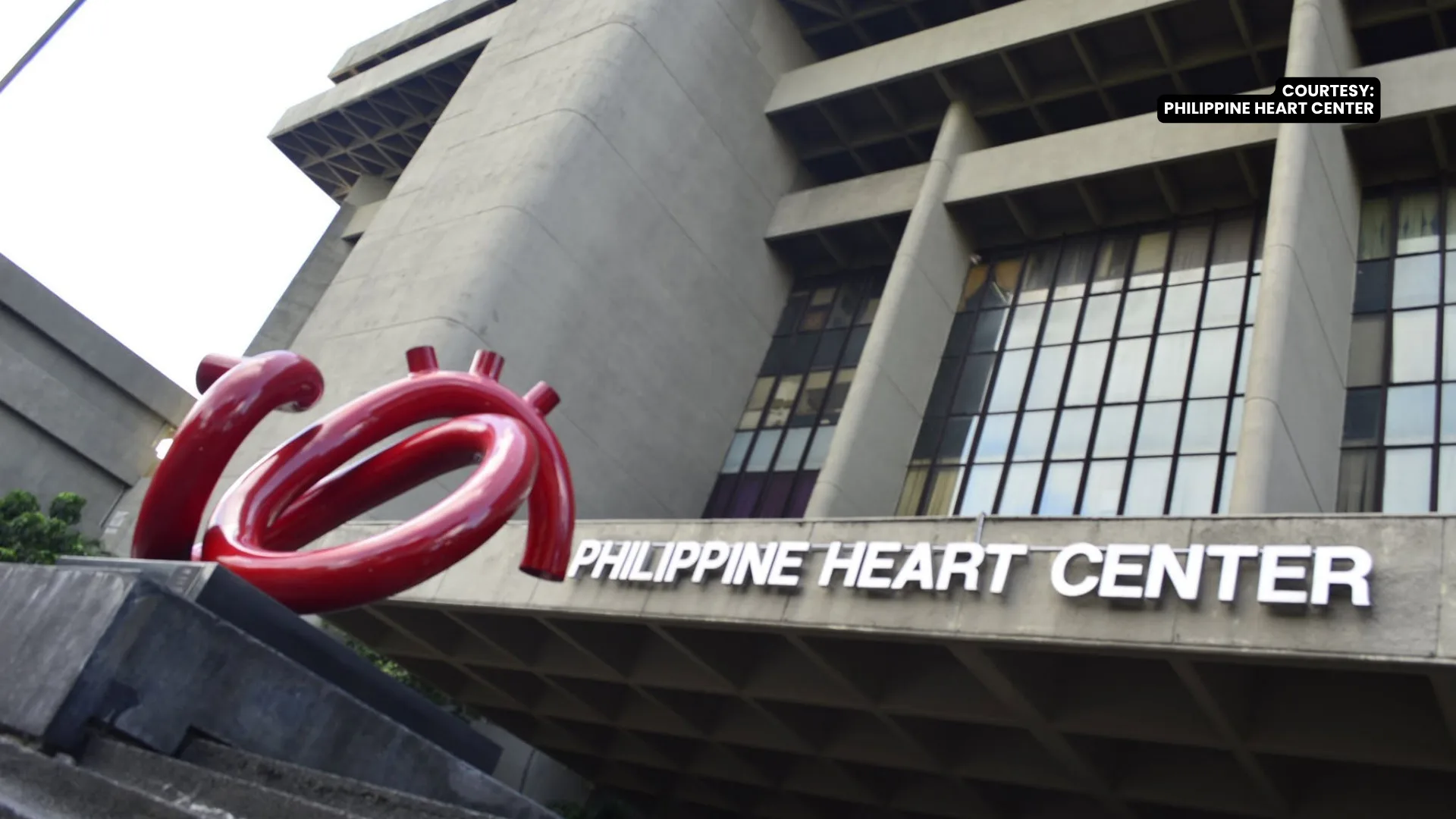
An additional P2.910 billion is earmarked for major specialty hubs, including the Lung Center of the Philippines, the National Kidney and Transplant Institute, the Philippine Children’s Medical Center, and the Philippine Heart Center. Meanwhile, the University of the Philippines-Philippine General Hospital (UP-PGH) will receive P950 million and P52 million is set aside for Drug Abuse Treatment and Rehabilitation Centers.
Recto reaffirmed that the initiative aligns with President Ferdinand R. Marcos Jr.’s directive to ensure state assistance reaches citizens dealing with financial and medical hardships.
“For President Marcos, every available resource must be used to deliver meaningful assistance to the Filipino people. Through MAIFIP, we are helping patients obtain the care they need while supporting hospitals that serve communities every day,” Recto said.