
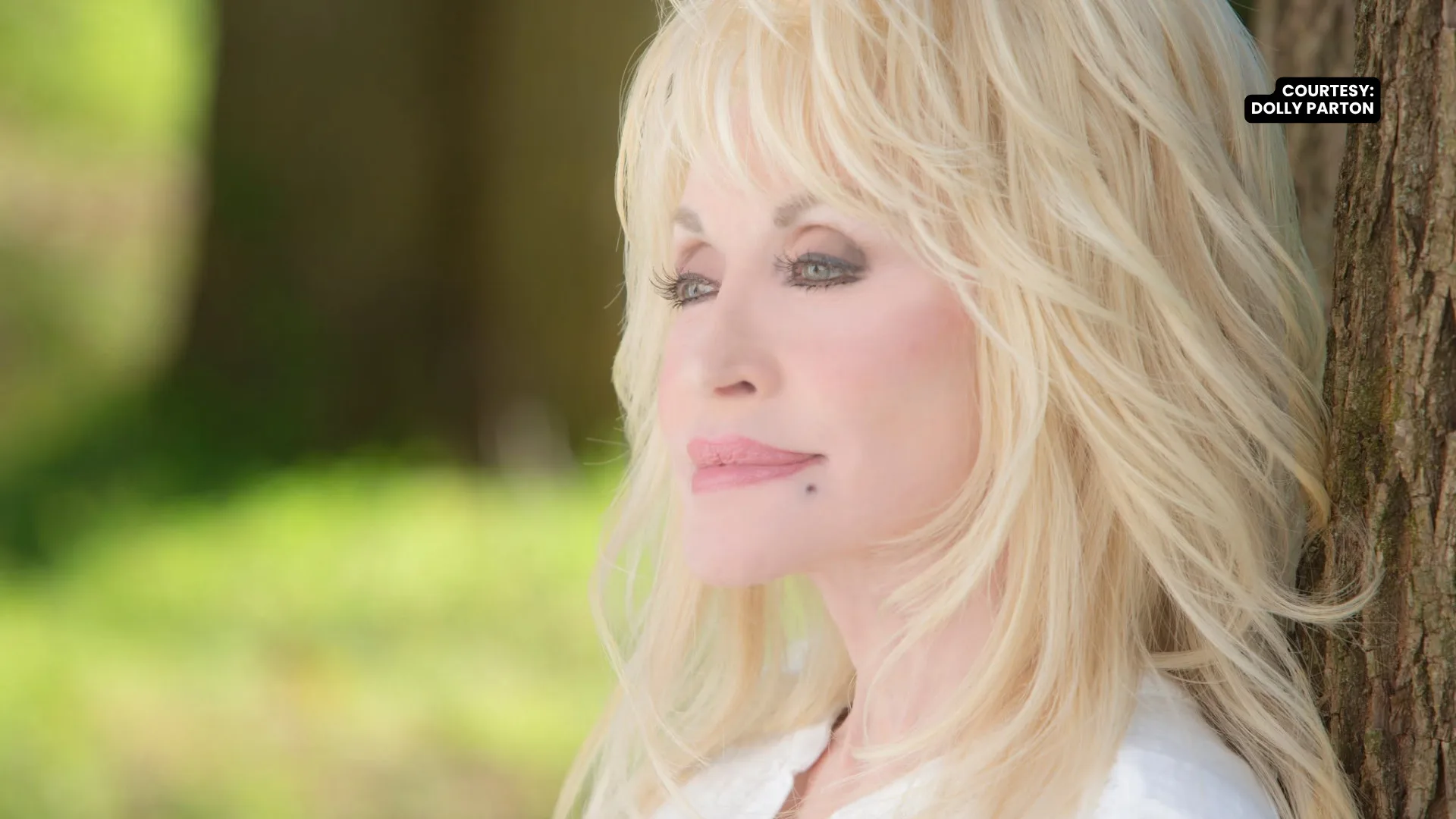
Dolly Parton spent six decades being famously open about herself — her looks, her marriage, her ambitions, even the carefully constructed persona behind the rhinestones. One thing she kept largely private until the end was just how sick she was.
Parton died Tuesday at 80 at Vanderbilt-Ingram Cancer Center in Nashville, surrounded by loved ones. Her representatives later confirmed that she had faced a brief battle with cancer, though they did not disclose the type.

There had been signs that something was wrong.
Over the past year, health problems increasingly pulled Parton away from commitments. She postponed Las Vegas performances and missed public appearances, while continuing to reassure fans that she was receiving treatment and expected to return.
That optimism was characteristic of Parton, but it also meant the severity of her condition remained largely outside public view.
Her final years had already been marked by another profound loss. Carl Dean, her husband of nearly 60 years, died in March 2025. Parton later spoke about navigating her grief and rebuilding herself emotionally, spiritually and physically after his death.
The instinct to keep moving while giving something to others was hardly new.
Parton’s Imagination Library, which she launched in 1995, grew from a literacy initiative serving children in her Tennessee home county into an international program that has distributed hundreds of millions of free books. She also donated $1 million to Vanderbilt University Medical Center research that contributed to the development of Moderna’s COVID-19 vaccine.
Those contributions featured prominently in the statement released after her death — a reminder that Parton’s legacy was never confined to the stage.
Her musical achievements alone would have secured it.
Born Jan. 19, 1946, in rural Tennessee as one of 12 children, Parton built a career spanning seven decades and became one of country music’s most recognizable figures. She wrote enduring songs including “Jolene,” “Coat of Many Colors” and “I Will Always Love You,” while expanding into film, television, business and philanthropy.
But the tributes after her death repeatedly reached beyond records and awards. Fellow artists, political figures and admirers remembered her generosity, humor and ability to make people feel personally connected to her despite the scale of her fame.
That may explain why news of her final illness felt so jarring.
Parton spent much of her life letting audiences feel that they knew her while remaining remarkably deliberate about what belonged to them and what remained hers. She could joke about her appearance, talk candidly about fame and share stories about her childhood while still protecting the most private corners of her life.
Her illness became one of them.
In the end, there was no sweeping public farewell or prolonged explanation of what she was facing. There was simply a gradual retreat from commitments, continued reassurance and, eventually, the announcement that she was gone.
For someone who spent a lifetime understanding exactly how much of herself to give away, perhaps that final measure of privacy was fitting.
Dolly Parton shared an extraordinary amount with the world.
The ending, she kept for herself.