
Philippine Airlines (PAL) recorded higher total revenue of $1.74 billion in the first half of 2026, up 5.9 percent from $1.64 billion last year, driven by stronger cargo performance and fare adjustments. However, a sharp spike in jet fuel costs dragged the flag carrier into a net loss of $25.1 million, reversing its $136.7 million net income from the same period in 2025.
Fuel expenses surged 48.2 percent year-on-year to $674.5 million, accounting for nearly 40 percent of operating expenses, as the Middle East conflict drove global oil prices higher. The cost pressure peaked in the second quarter, where fuel expenses spiked 88.2 percent to $422.9 million, resulting in a quarterly net loss of $103.6 million.
Despite transporting 3.1 percent fewer passengers (8.2 million) and experiencing a lower load factor of 78.9 percent, passenger revenue rose 4.5 percent to $1.47 billion, while cargo revenue jumped 30 percent to $98.2 million. The airline adapted by fine-tuning fares and capacity on select domestic, regional and Middle East routes, while keeping its long-haul operations stable.
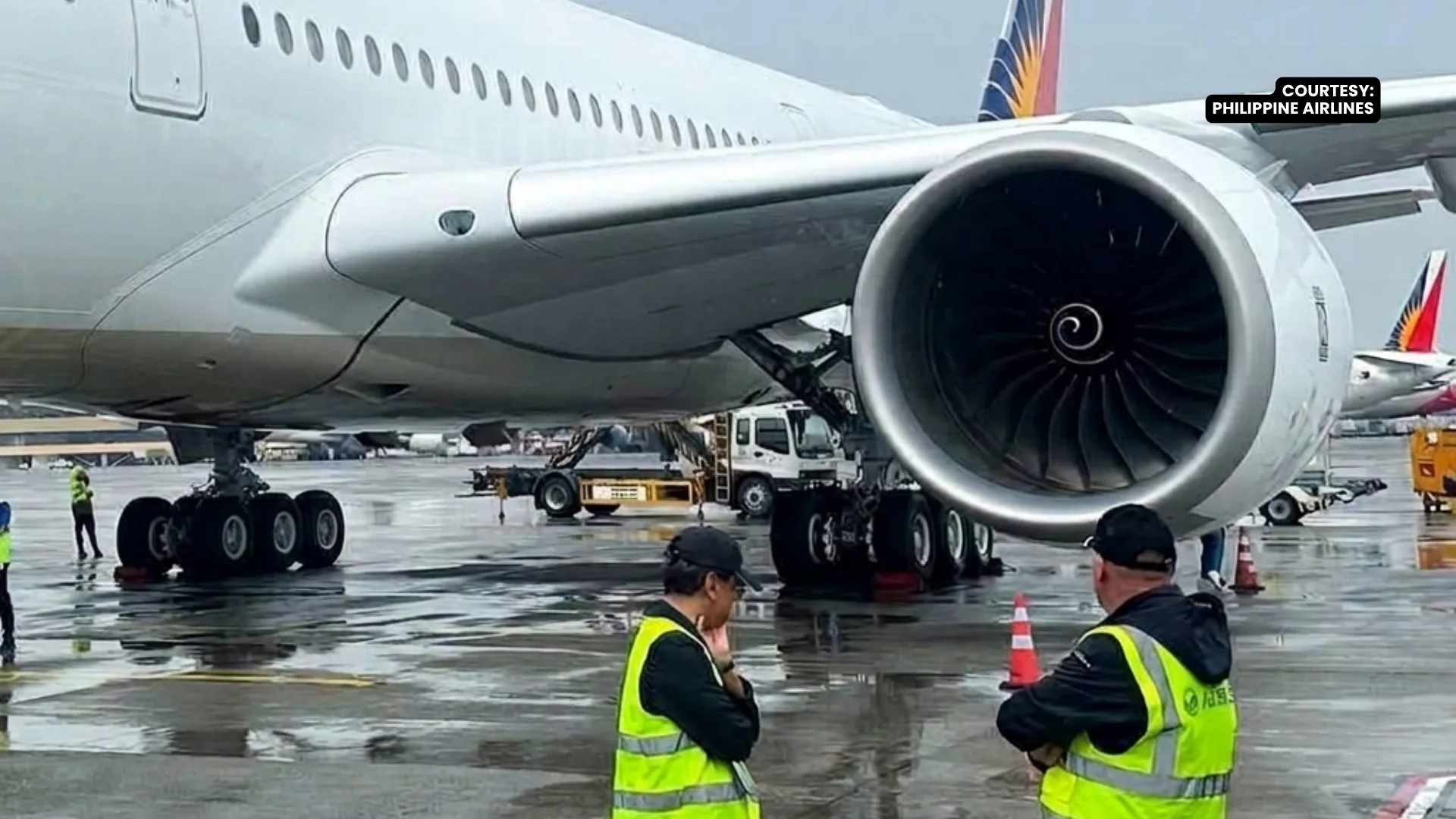
To support its long-term expansion, PAL introduced its second Airbus A350-1000 into service in May for long-haul routes to New York, Toronto and San Francisco, secured $350 million via a five-year notes issuance and announced orders for up to 20 Boeing 787-10s and 14 Airbus A350-1000s for delivery between 2031 and 2036.
“The Middle East conflict has created significant near-term pressure on our fuel costs and our second-quarter results reflect that impact,” PAL President Richard Nuttall said. “At the same time, our first-half performance demonstrates PAL’s underlying resilience.”
Nuttall added that while the Middle East conflict remains a key variable for the second half of 2026 due to potential impacts on inflation and travel demand, robust international demand and disciplined cost management position the carrier well to navigate ongoing disruptions.