
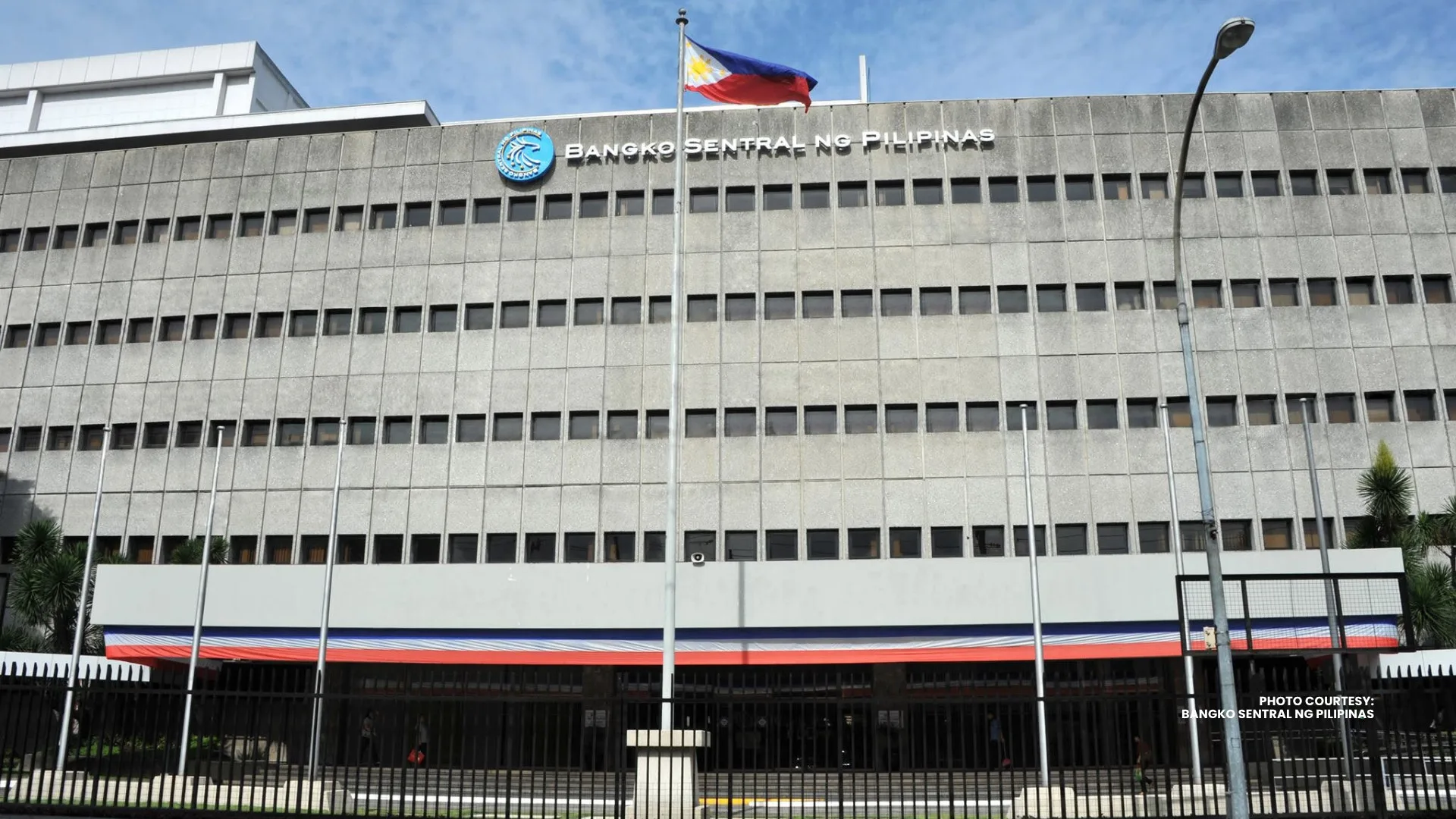
The country’s balance of payments (BOP) deficit widened to US$5.3 billion in the first quarter of the year from the US$3-billion shortfall recorded in the same period last year, the Bangko Sentral ng Pilipinas (BSP) said.
The BSP said the latest BOP position reflected weaker financial inflows, higher import payments, and a wider current account deficit.
According to the central bank, the decline in financial account net inflows was driven largely by lower net inflows in other investments, as domestic banks repaid foreign loans while nonresidents withdrew currency and deposits from local banking institutions.
Direct investments still recorded net inflows, but these moderated amid cautious investor sentiment. Net portfolio investment outflows also eased as residents reduced investments in foreign debt securities, although this was partly offset by foreign investors’ withdrawals from Philippine debt securities.
The BSP said the current account deficit widened mainly due to a larger trade-in-goods deficit, weaker dividend inflows, and lower interest earnings from direct investments and reserve assets.
The trade-in-services surplus also narrowed as payments for services grew faster than receipts, led by technical, trade-related, and other business services, as well as travel-related spending.
Exports of goods posted strong growth on sustained global demand for electronics, but the gains were outweighed by higher import payments, partly due to price increases in key commodities.
Despite the external pressures, the BSP said the services sector continued to provide support through revenues from tourism, manufacturing services, and business process outsourcing.
Remittances from overseas Filipinos also remained resilient, helping cushion the impact of weaker external inflows and providing a steady source of financing for the domestic economy.