
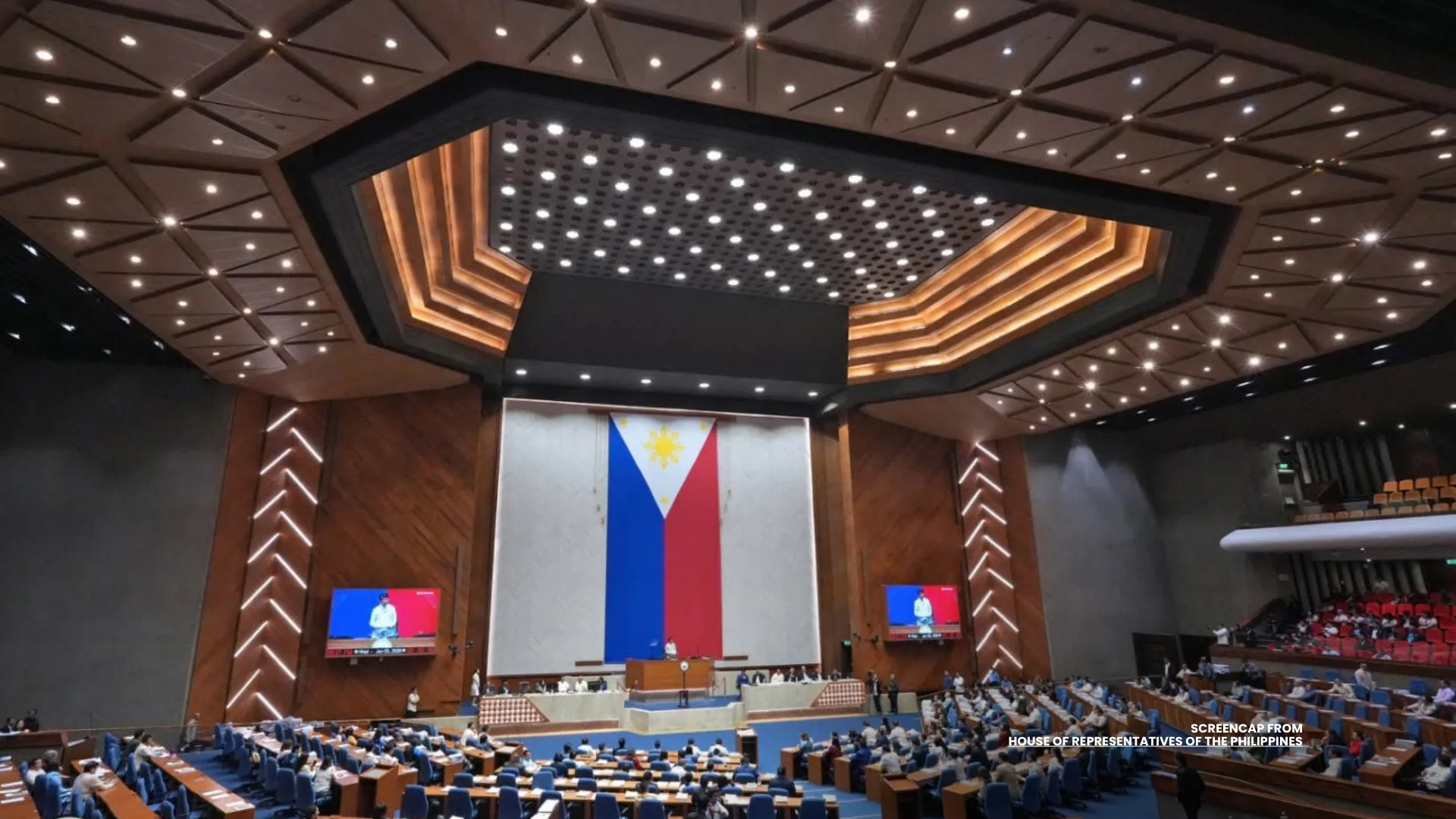
A measure has been filed in the House of Representatives seeking to reform the country’s party-list system to ensure stronger and more authentic representation of marginalized sectors, advocacy groups, regional communities, and ethno-linguistic groups.
House Bill 9906, or the proposed Party-List System Act, aims to replace Republic Act No. 7941 and introduce structural changes designed to realign the system with its constitutional purpose of expanding democratic participation and amplifying underrepresented voices.
The bill has been included among the priority measures of the Legislative-Executive Development Advisory Council (LEDAC), signaling executive and legislative interest in advancing the reform.
Speaker Faustino “Bojie” Dy III said the party-list system was originally designed to open Congress to sectors traditionally excluded from political power, but noted that gaps in implementation have emerged over time.
“Sa pagdaan ng mga taon, naging malinaw sa atin ang mga kahinaang naglihis sa party-list system mula sa orihinal nitong layunin,” the Speaker said, adding that the measure seeks to restore its original intent of meaningful sectoral participation.
Under the proposal, party-list representation will be categorized into three groups: sectoral representation for marginalized and underrepresented sectors, advocacy representation for civic and policy-based organizations, and regional representation for geographic and ethno-linguistic communities.
The bill also introduces a “genuine representation” requirement, mandating organizations to prove authentic ties to the sectors or communities they claim to represent.
To enforce this, the Commission on Elections (Comelec) will be tasked with evaluating membership composition, leadership involvement, advocacy track record, and sustained presence in target communities before accreditation is granted.
Organizations seeking sectoral representation must demonstrate verifiable affiliation with their claimed sector, while advocacy groups must show consistent civic or policy engagement. Regional groups, meanwhile, must establish long-term presence within the communities they represent.
Lawmakers behind the measure said the reforms aim to address long-standing concerns over parties that may not accurately reflect the sectors they claim to represent.
The bill also requires party-list groups to maintain continuous public service initiatives, constituency engagement, and regular submission of reports detailing their activities and outreach programs.
Supporters of the measure said the goal is to ensure that party-list seats remain grounded in real communities and not merely electoral vehicles.
“Layunin nating tiyakin na ang mga kinatawan ay tunay na nagmumula, nakikibahagi, at may malalim na ugnayan sa mga komunidad at sektor na kanilang kinakatawan,” Dy said.
The proposed reform is part of a broader push in the House to strengthen electoral systems, improve accountability, and enhance public trust in democratic institutions.