
The Philippines has secured a seat as one of four newly elected Asia-Pacific members of the United Nations Educational, Scientific, and Cultural Organization Intergovernmental Committee for the Safeguarding of the Intangible Cultural Heritage (IGC-ICH), marking a key milestone in the country’s cultural diplomacy and heritage preservation agenda.
The election took place during the 11th Session of the General Assembly of States Parties to the Intangible Cultural Heritage Convention on June 17 at UNESCO Headquarters in Paris.
Alongside the Philippines, the newly elected Asia-Pacific members are Japan, Indonesia, and Cambodia. The Philippines obtained 106 votes, equivalent to 67.1 percent of the 156 UNESCO member states that participated in the election.
The IGC-ICH is tasked with promoting best practices and issuing recommendations for the safeguarding of cultural expressions, indigenous knowledge systems, and traditional practices. It also evaluates nominations for inclusion in UNESCO’s Intangible Cultural Heritage Lists.
The Philippines will immediately take its seat on the committee and serve a term lasting until 2030.
As a member, the country intends to support capacity-building initiatives focused on protecting living heritage, particularly in disaster- and climate-vulnerable communities. It also aims to advance discussions on gender equality, disability inclusion, migration, and the effects of emerging technologies on the transmission and preservation of intangible cultural heritage.
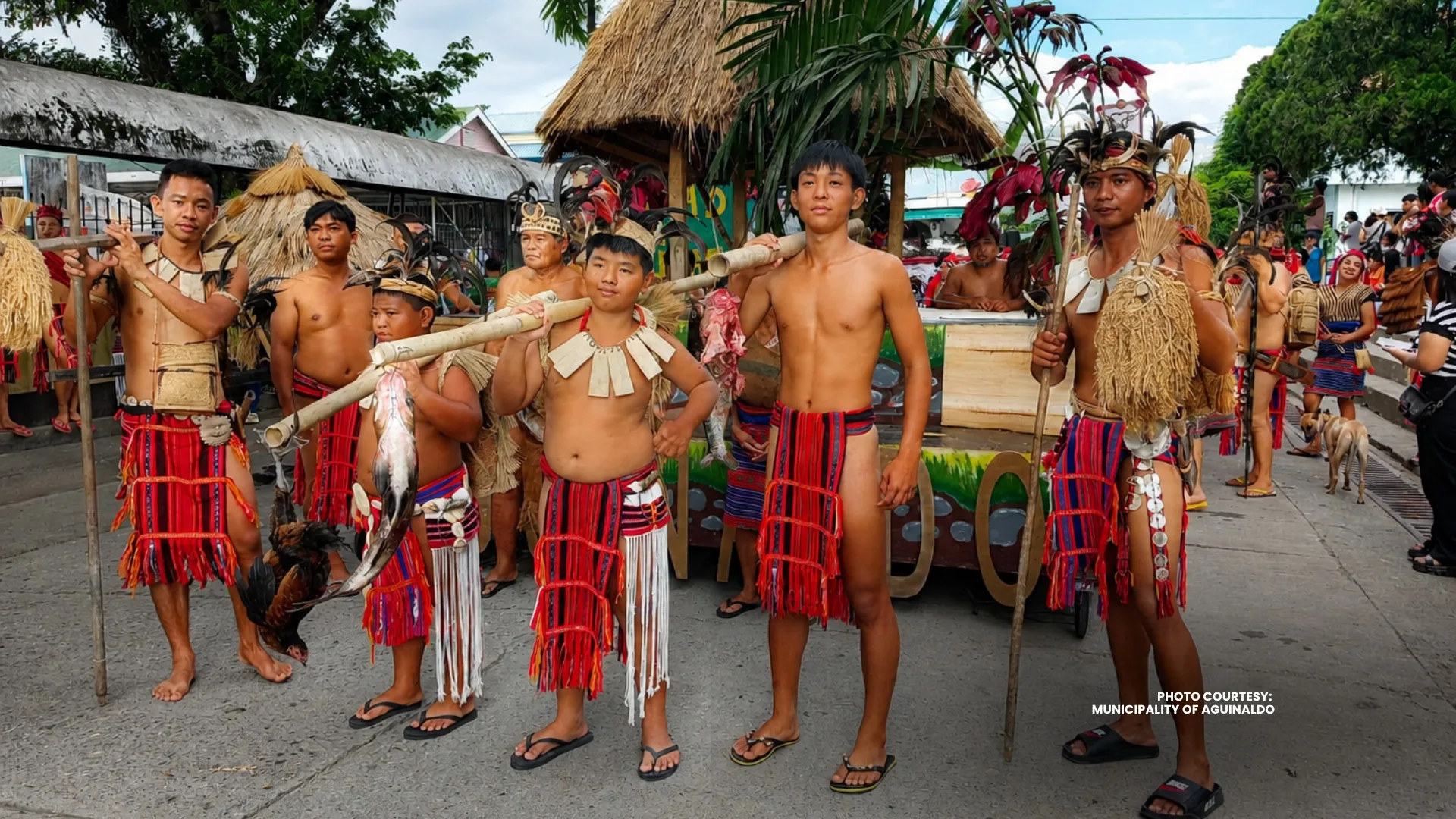
The Philippines has been a State Party to the 2003 Convention for nearly two decades and has successfully inscribed multiple cultural elements on UNESCO’s heritage lists, including the Hudhud chants of the Ifugao, the Darangen epic of the Maranao people, the Buklog thanksgiving ritual system of the Subanen, Aklan piña handloom weaving, the practice of making Asin Tibuok, and the School of Living Traditions.
Philippine Ambassador to France and Permanent Delegate to UNESCO Eduardo José A. de Vega welcomed the development, saying it reflects the international community’s recognition of the Philippines’ rich multicultural and multiethnic heritage, as well as its role in fostering understanding among nations.